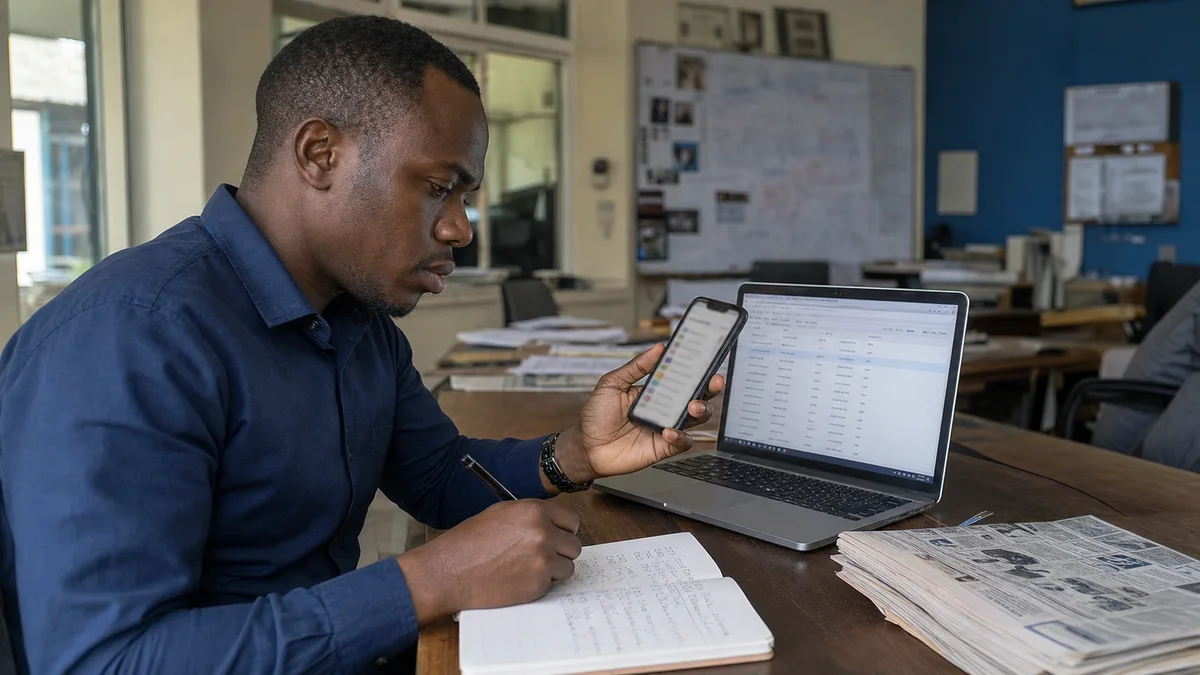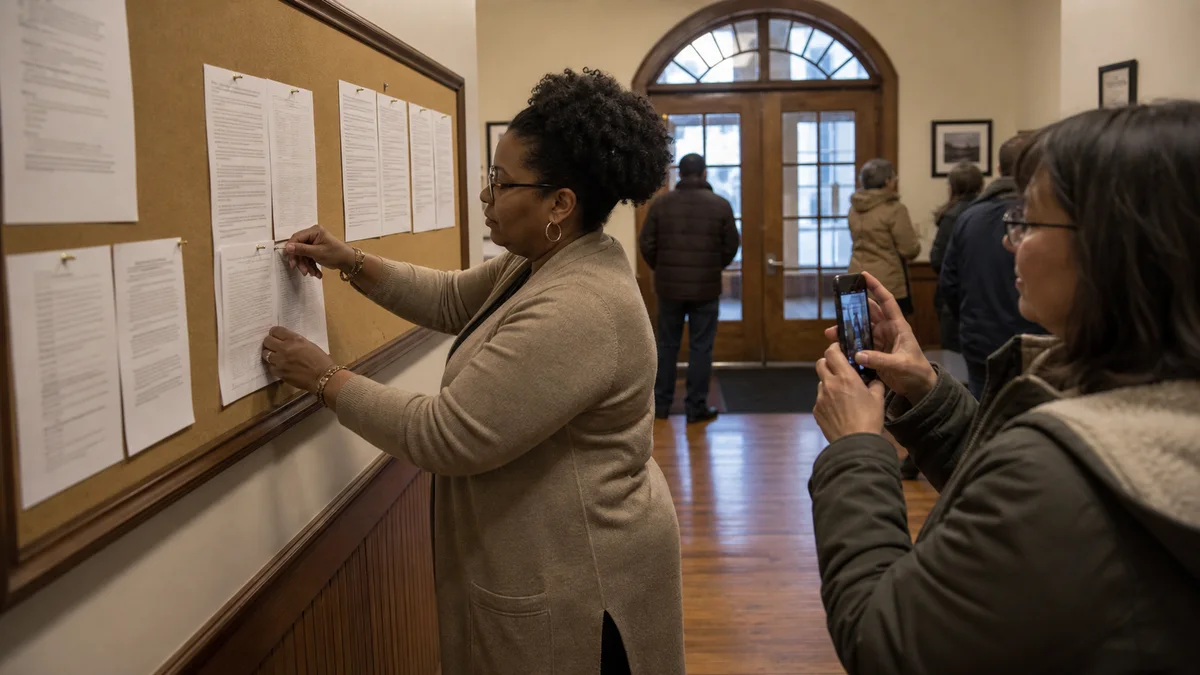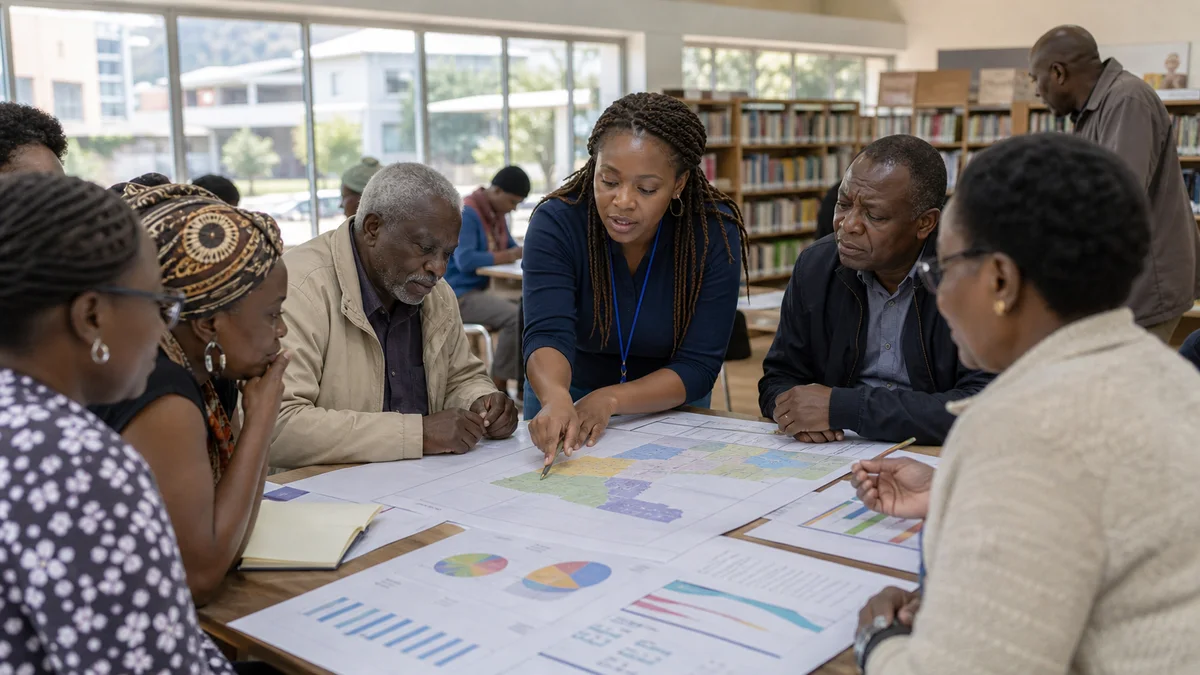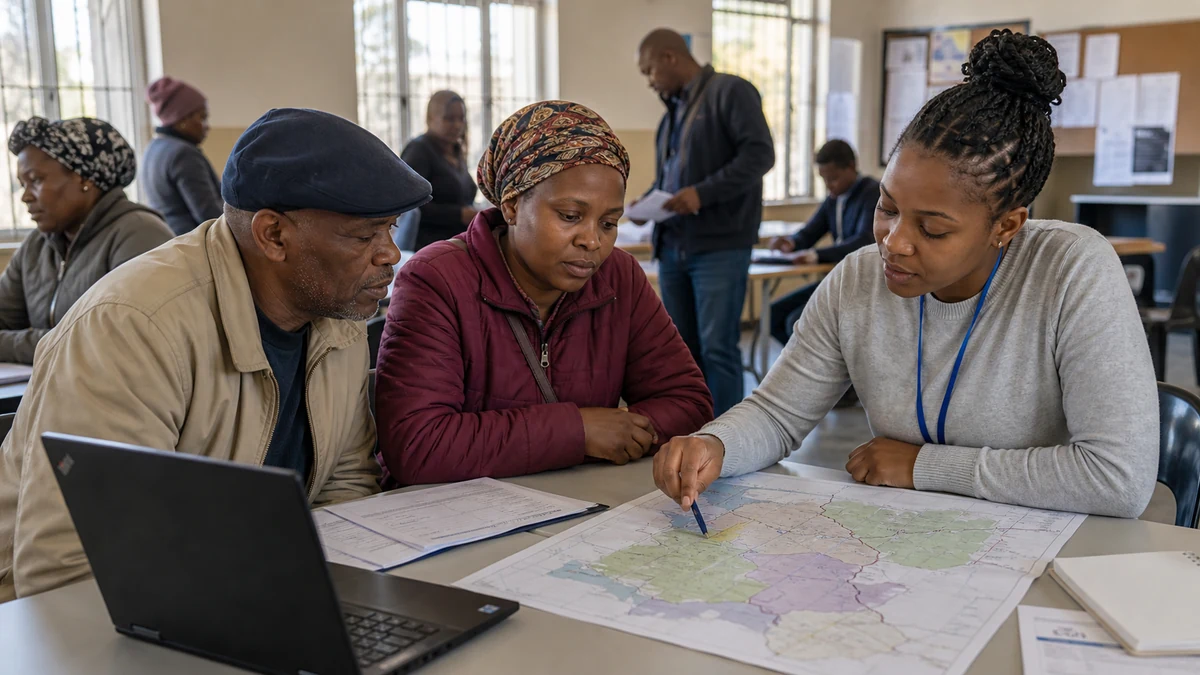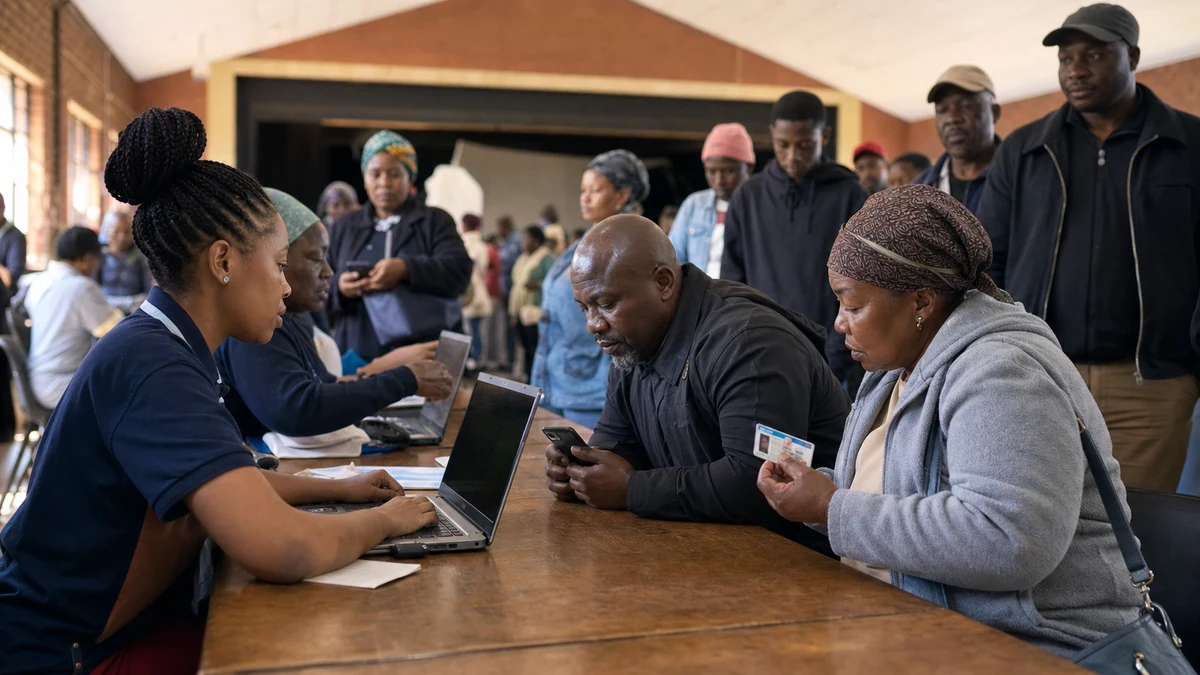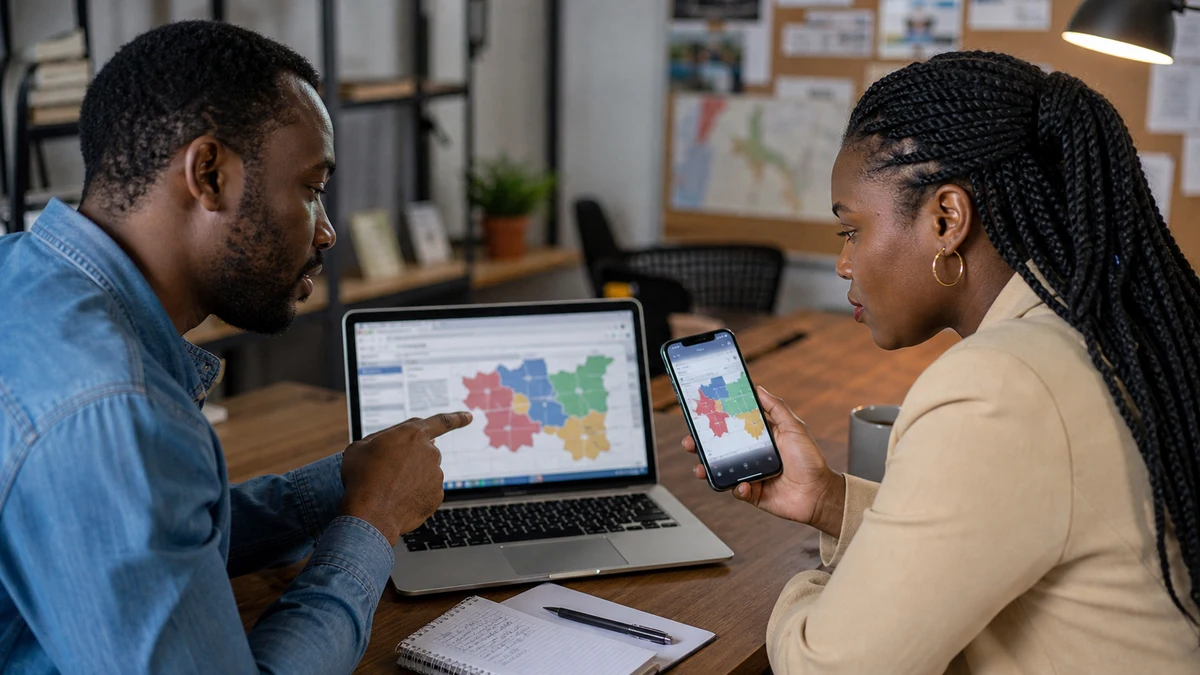
Election information now moves faster than many people can verify it. A screenshot of a map, tally or district page often feels persuasive because it looks visual and specific. But an image that looks official can still be outdated, cropped, mislabeled or removed from the page that explains it.
The first check is time. Election results can change while counting continues, and a morning screenshot may tell a different story by evening. If an image has no timestamp, no page name or no clear election office attached to it, readers should slow down before sharing.
The second check is the original source. Election offices, official result pages and credible monitoring organizations usually update information with status notes. If the screenshot does not match the live source, it may be old or manipulated. If the source cannot be opened, the image should not be treated as proof.
Cropping can also mislead. A screenshot may remove a warning that the count is partial, hide the district name or show a small region as though it represents a national result. The full page matters because election numbers only make sense with boundaries and status labels. This is especially important when a number is moving across social platforms faster than the official explanation can travel.
Families, schools, churches and workplace chat groups can reduce confusion by asking calm questions. Who posted this first? When was it captured? Which official page confirms it? Those questions are more useful than arguing over a picture that may not show enough context.
Election trust is built before the final result is announced. It comes from the public habits people use while waiting: checking dates, opening original pages and refusing to share images that hide key details. A careful voter helps the whole conversation stay closer to the facts.