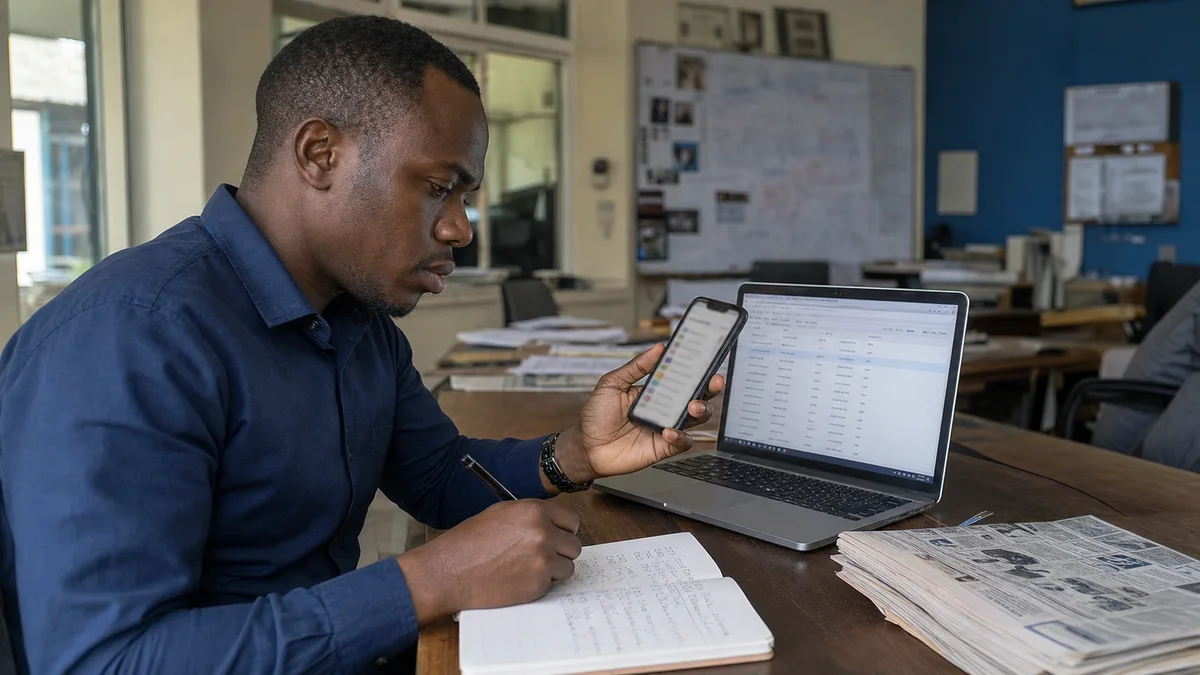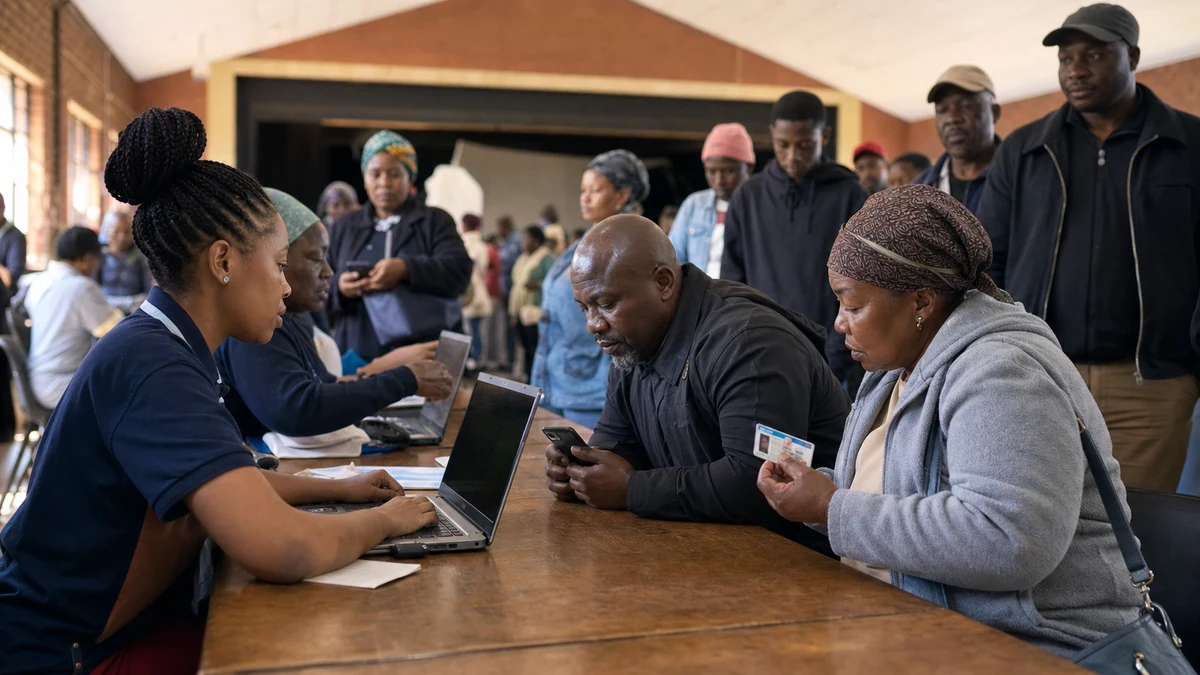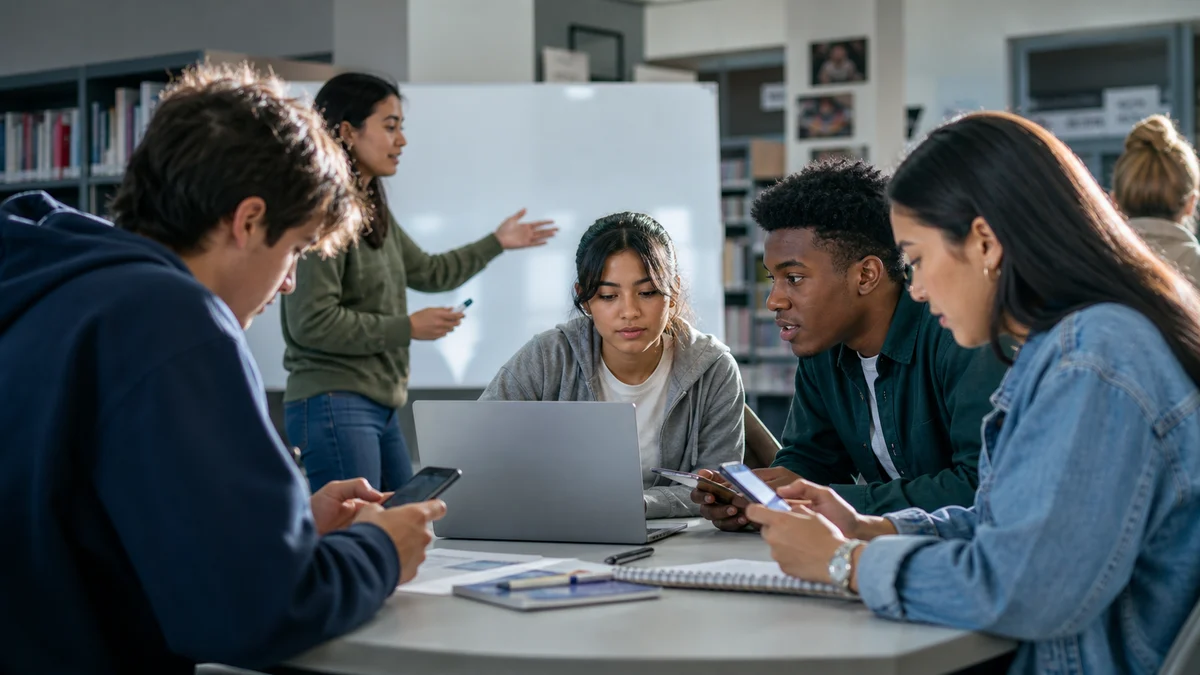
First-time voters often meet election information on a phone before they hear it on radio or in a community meeting. That can be useful, but it also brings risk. A screenshot without a source, a fearful voice note or a false date can push a voter toward a bad decision.
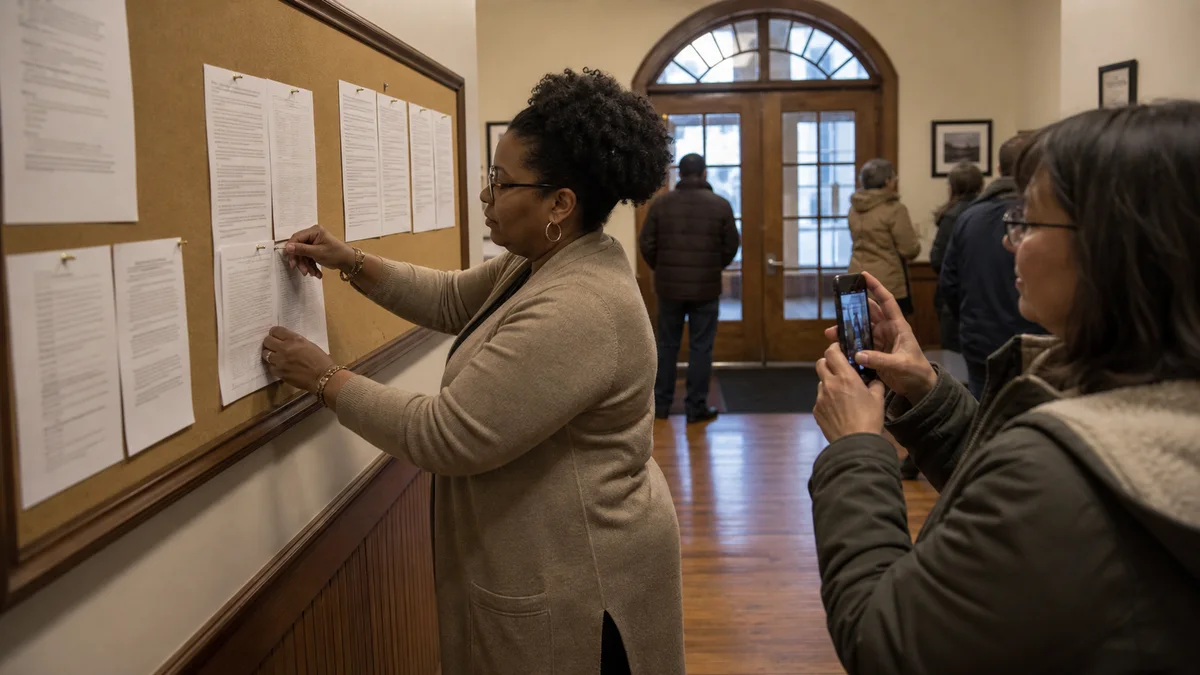
The first habit is to ask who published the claim. An official election body, a trusted newsroom or a civic group that shows its source is different from an anonymous account. If the claim involves registration dates, polling stations or results, voters should look for confirmation.
The second habit is a time check. An old video can return as if it is a new event. A photo from another country can mislead a community group. A young voter who checks the date, location and original post protects the vote better than someone who shares quickly.
Family and friends also have a role. An older relative may receive a wrong message and forward it to a group. A respectful correction can help more than embarrassment. When a young voter brings an official link or a simple explanation, the conversation becomes healthier.
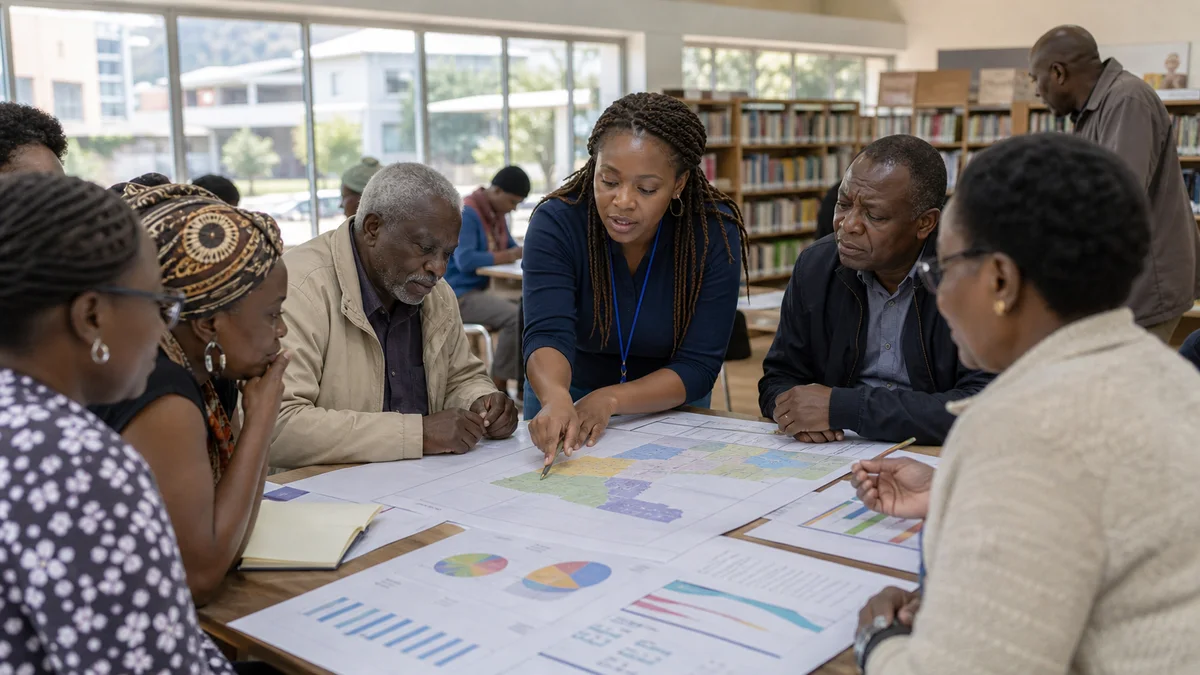
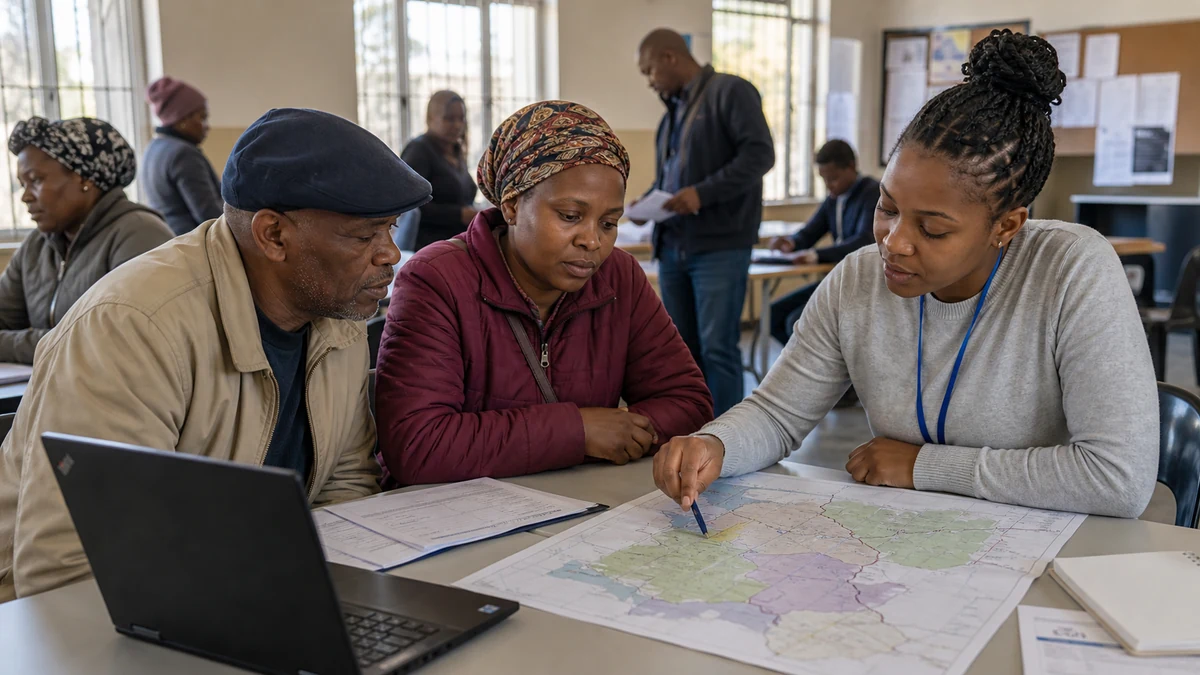
Civic education should be practical. Posters and slogans are not enough. Voters need examples: how to check a URL, how to question an edited clip and how to wait for official results. Democracy needs patience as well as passion.
Election participation is not only ballot day. It begins when a voter understands that trusted information shapes the decision. First-time voters who build a source-checking habit can support their peers, their families and public trust.
During campaign season, voters can use a small personal rule: claims about violence, results, registration or candidate scandals should not be shared until two sources confirm them. That rule is not only slow thinking. It is civic protection, because false information can make people stay home or vote out of fear.