Election rumors do not need a large newsroom to travel. They can move through short videos, voice notes, screenshots, private groups and emotional posts that reach young voters before official explanations appear. That speed makes digital literacy a civic skill, not only a school subject.
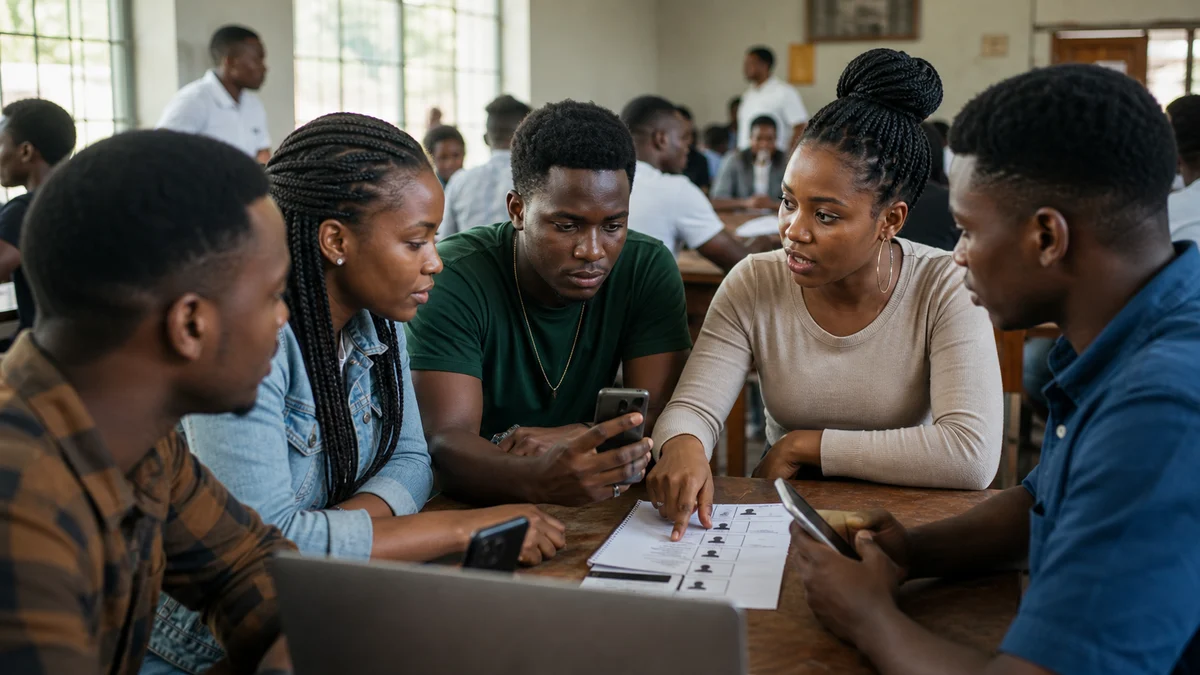
Young voters are often treated as a single online generation, but their information habits differ. Some follow journalists, some trust creators, some depend on family groups and others see politics mainly through jokes and clips. A useful voter education plan must meet people where they actually receive information.
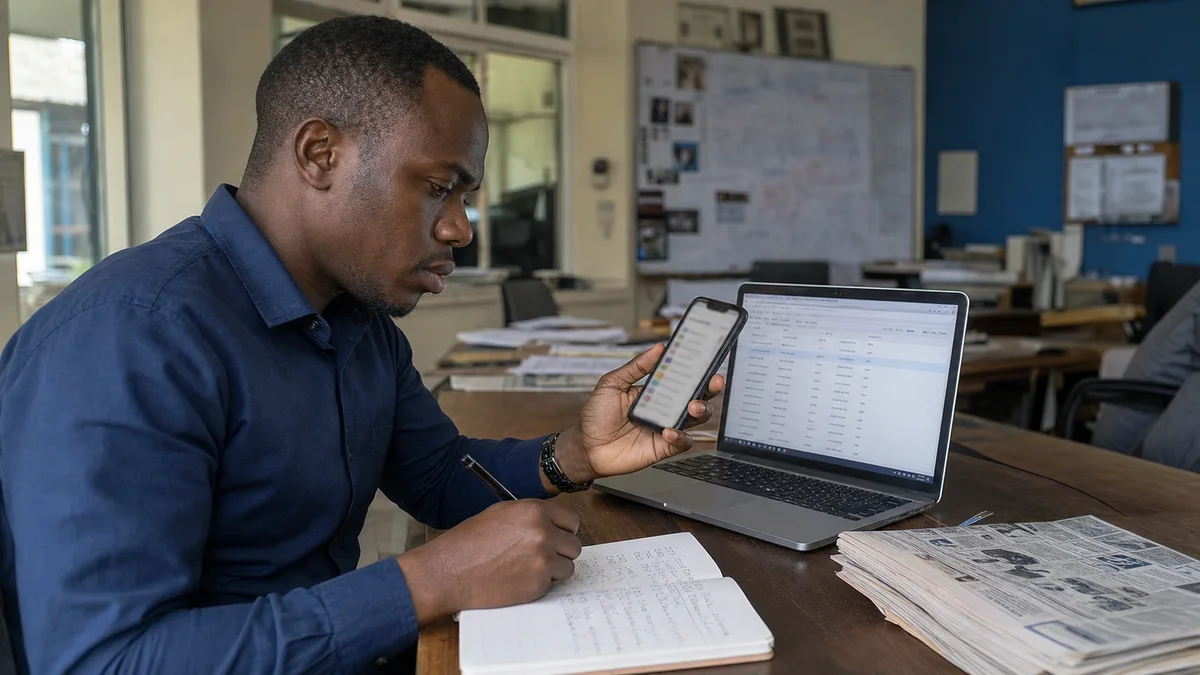
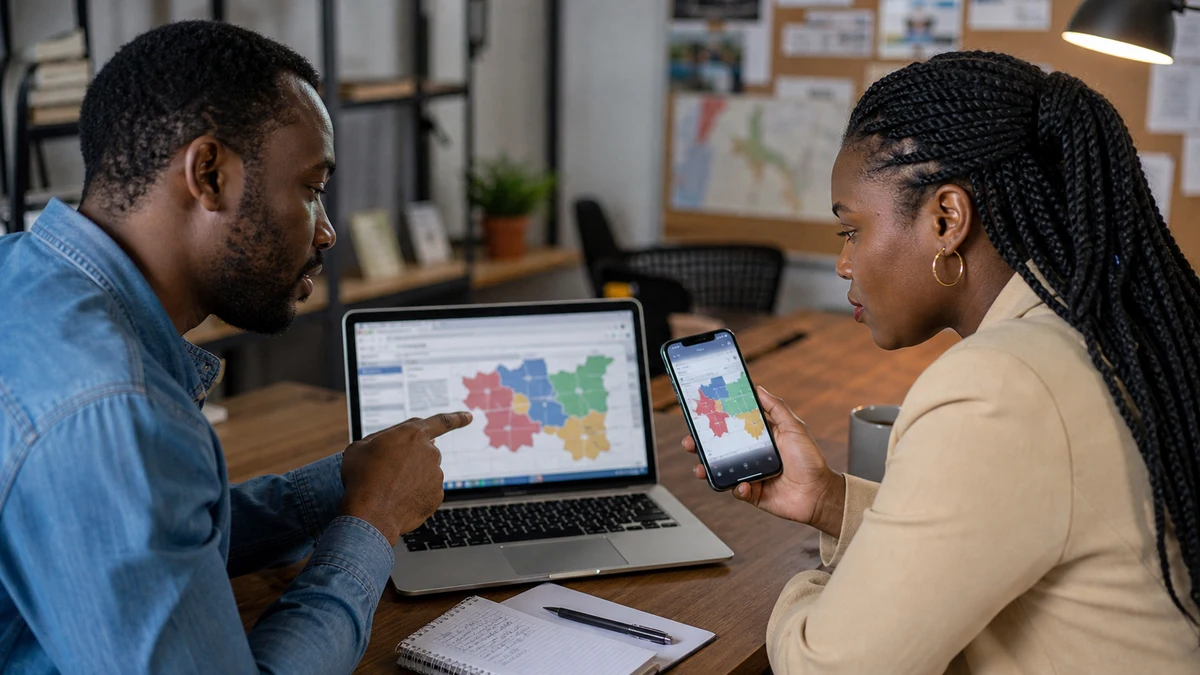
The first protection is source checking. Before sharing a claim about a candidate, court case, polling station or result, readers should ask who published it, when it was published and whether an independent source confirms it. A screenshot without a traceable source should not be treated as proof.
The second protection is emotional delay. False claims often work because they make people angry, afraid or proud before they make people think. A pause of two minutes can stop a rumor that may damage trust for days. Sharing slowly is not weakness; it is civic discipline.
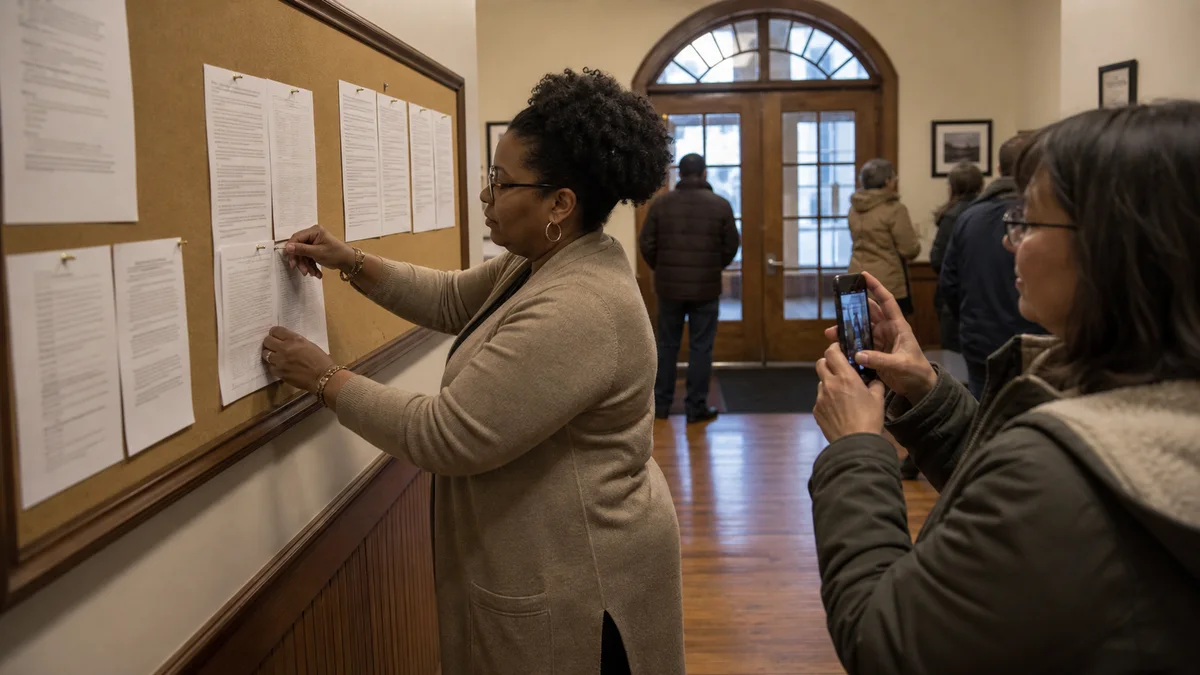
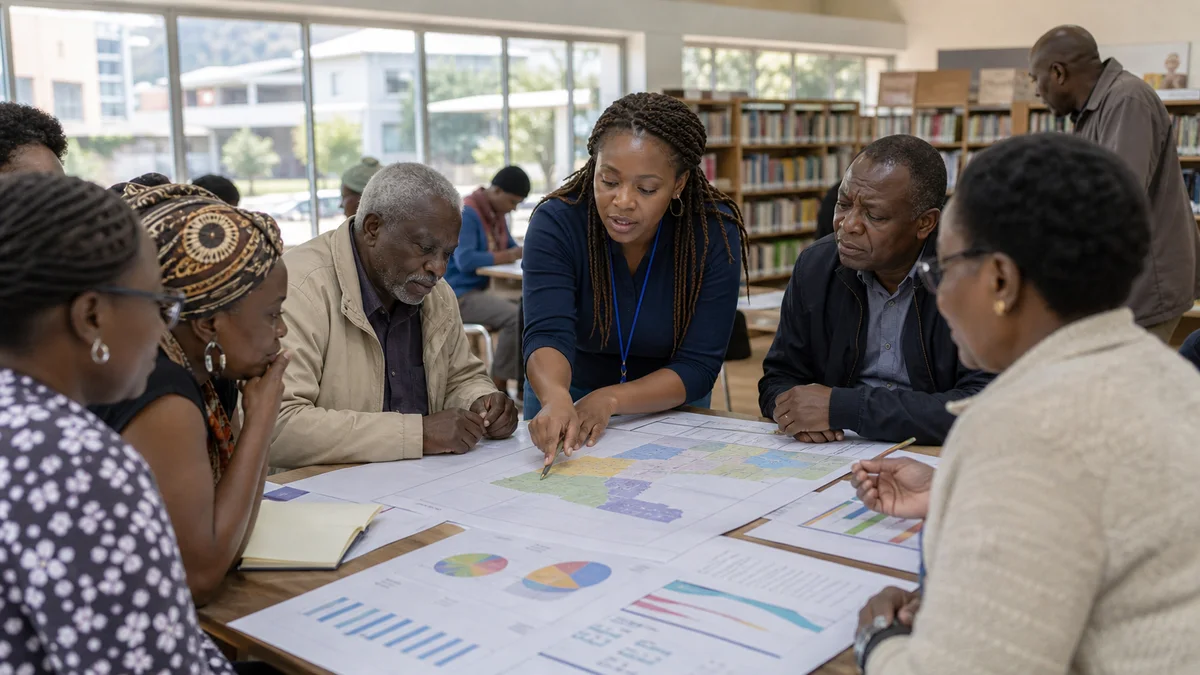
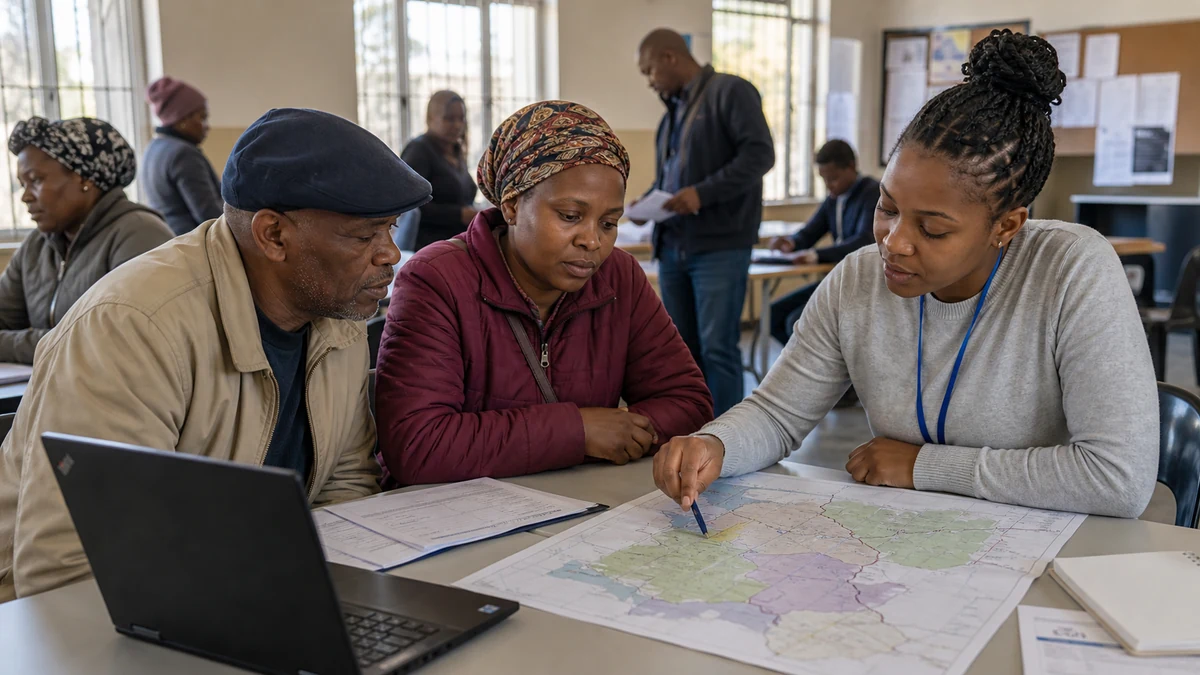
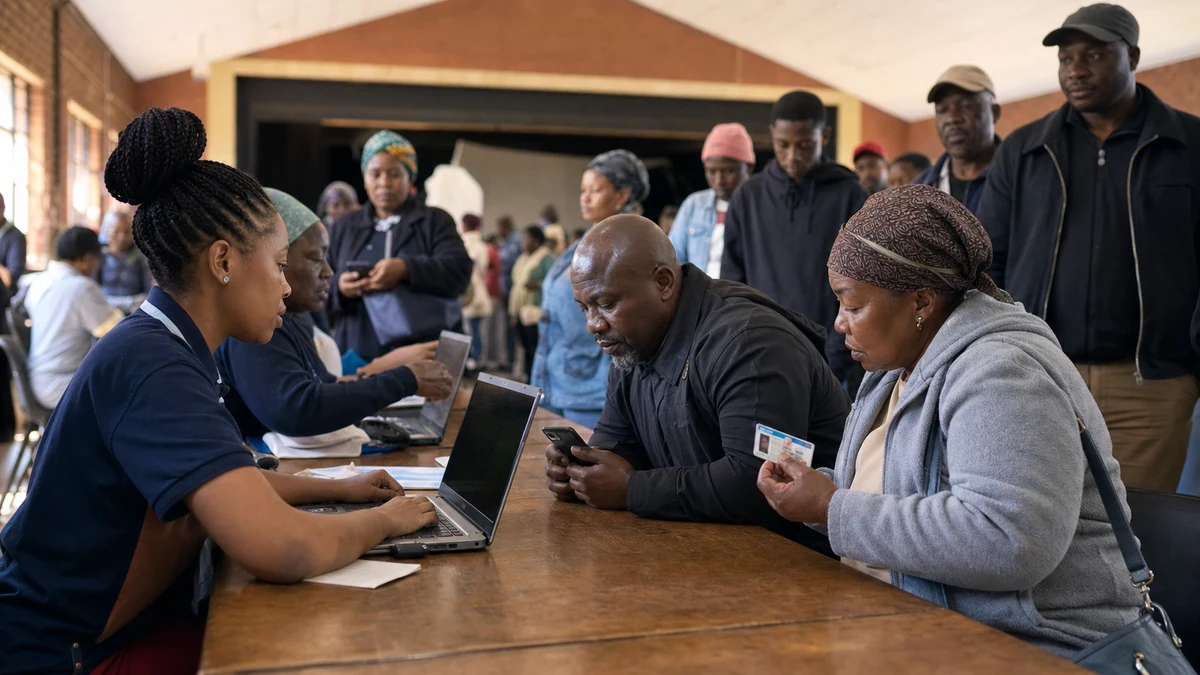
Election bodies, schools, churches, mosques, creators and community groups can help by giving practical examples. People need to see how a false result graphic looks, how a fake account copies a real logo and how old videos are reused in new political moments. Warnings work better when they are concrete.
The goal is not to make voters silent. Democracies need argument, criticism and strong participation. The goal is to help citizens argue from facts. When young voters learn to verify before sharing, they protect their own voice and reduce the chance that public trust is damaged by a claim nobody checked. It also signals to campaigns and election bodies that young citizens want evidence, not only noise.