Diaspora communities send money, build businesses, support families and carry national identity across borders. Many also want a political voice in the country they still call home. The challenge is that voting from abroad depends on rules that can be confusing if they are explained too late.
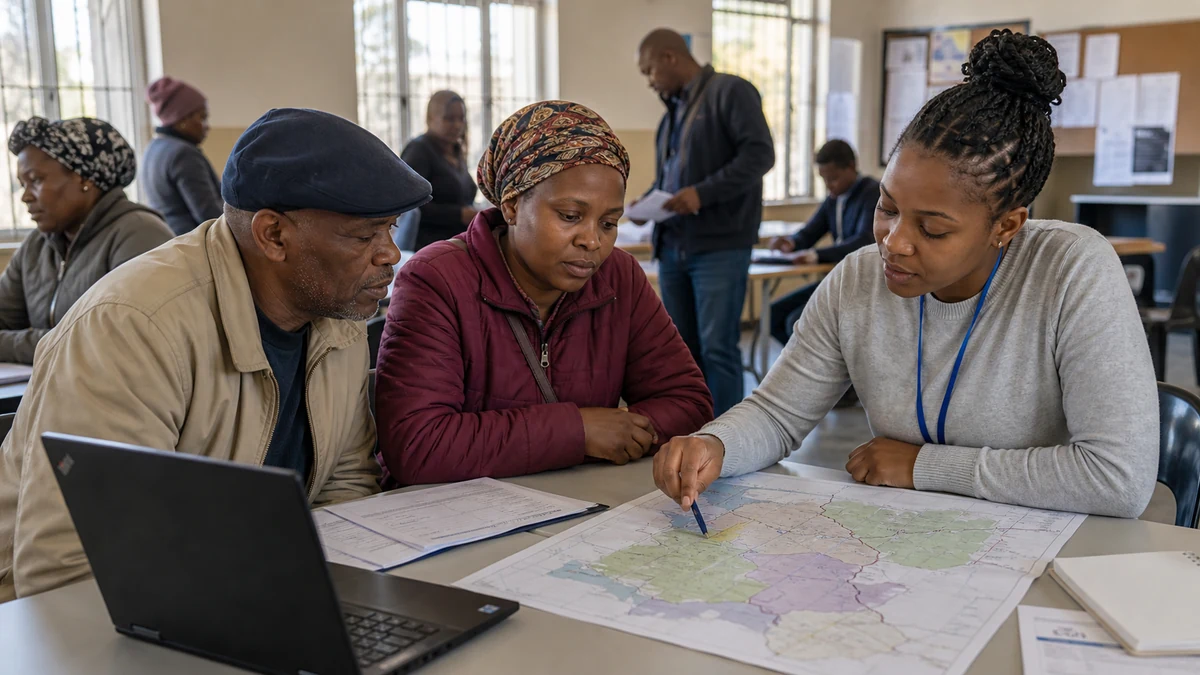
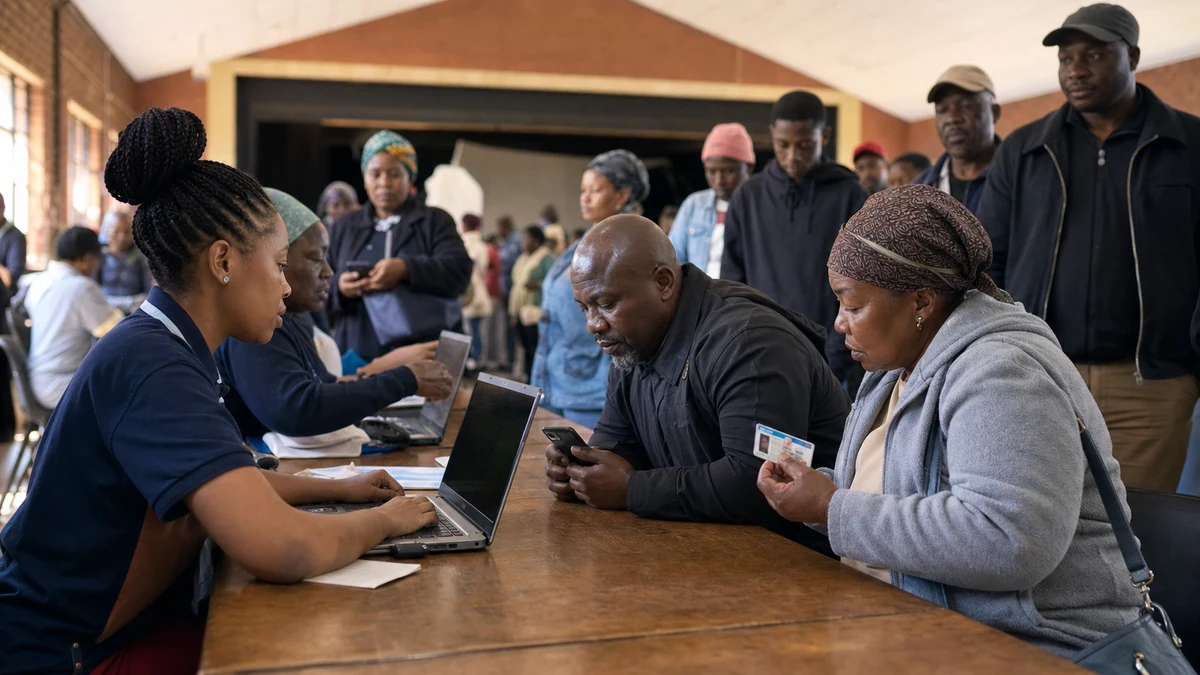
The most important detail is eligibility. Some countries allow citizens abroad to vote in national elections, some limit the right and others require specific registration steps. A person may still be a citizen and still miss the election if the deadline, document rule or voting location is unclear.
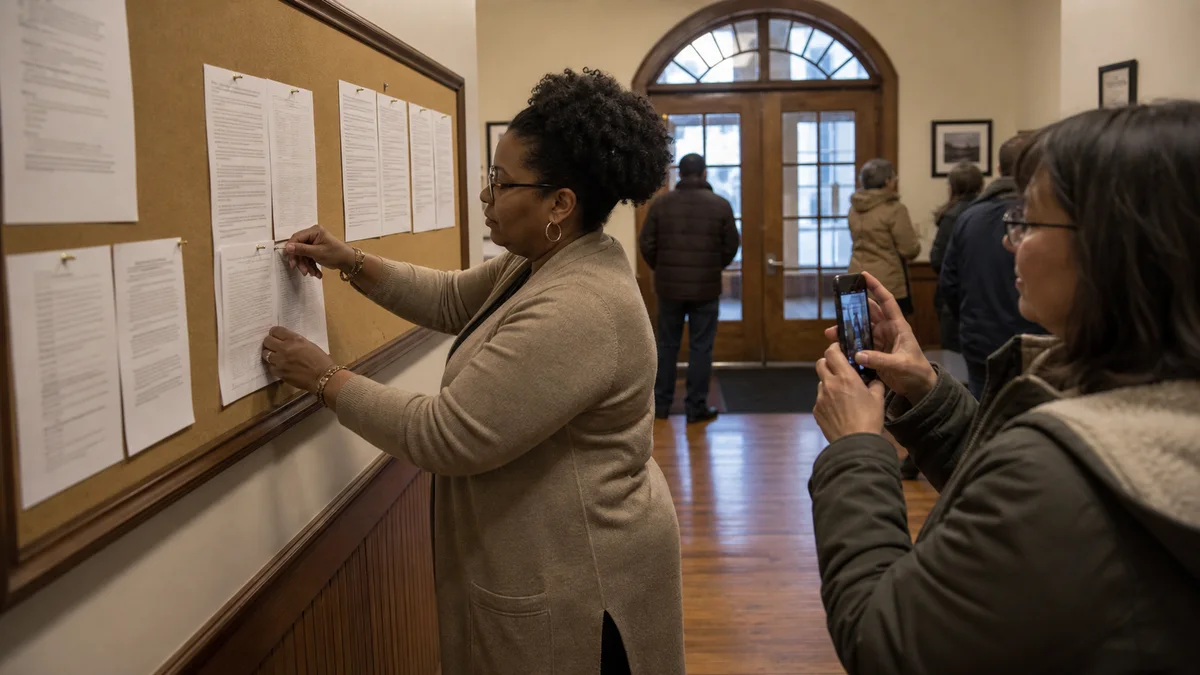
Election authorities need to communicate early through consulates, community groups, official websites and trusted media. A last-minute notice is not enough for people who may need to renew a passport, travel to a mission, register online or arrange work leave in another country.
Political parties also have a responsibility. Campaigning to the diaspora should not become only fundraising and slogans. Voters abroad need policy positions on remittances, dual citizenship, investment, education, consular services and the rights of families who live between countries.
For readers, the safe habit is to check official election information before relying on social media posts. A message in a community group may be helpful, but it should point back to a verified election body or consular source. Wrong dates can silence voters as effectively as no information at all.
Diaspora participation is strongest when it is treated as civic infrastructure. Clear rules, accessible registration and honest communication allow citizens abroad to stay involved without confusion. That matters because national life no longer stops at the border. A practical checklist, repeated early and often, can turn interest into actual participation instead of leaving people willing but unregistered. It also reduces rumor because voters can compare community messages with the same official steps.