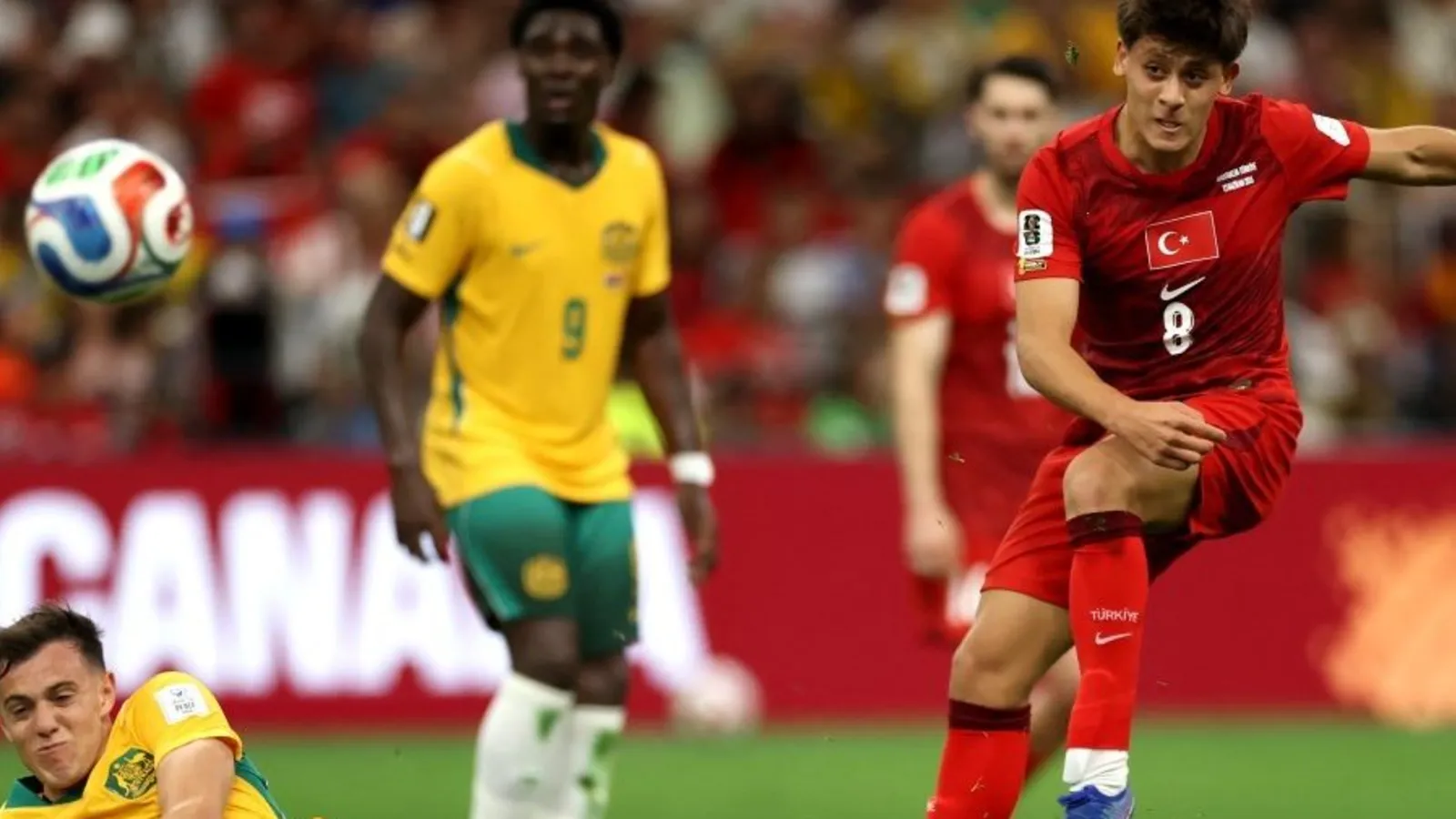
Winning the 2026 World Cup will require more than a famous generation of players. The expanded tournament makes preparation, travel management and squad depth more important than in many previous editions.
The basic football ingredients remain familiar: reliable goalkeeping, a stable defense, midfield control, efficient finishing and players who can handle pressure in knockout matches.
The new format adds another demand. A champion may need to survive an extra elimination round, so coaches cannot depend on the same eleven players carrying every decisive minute.
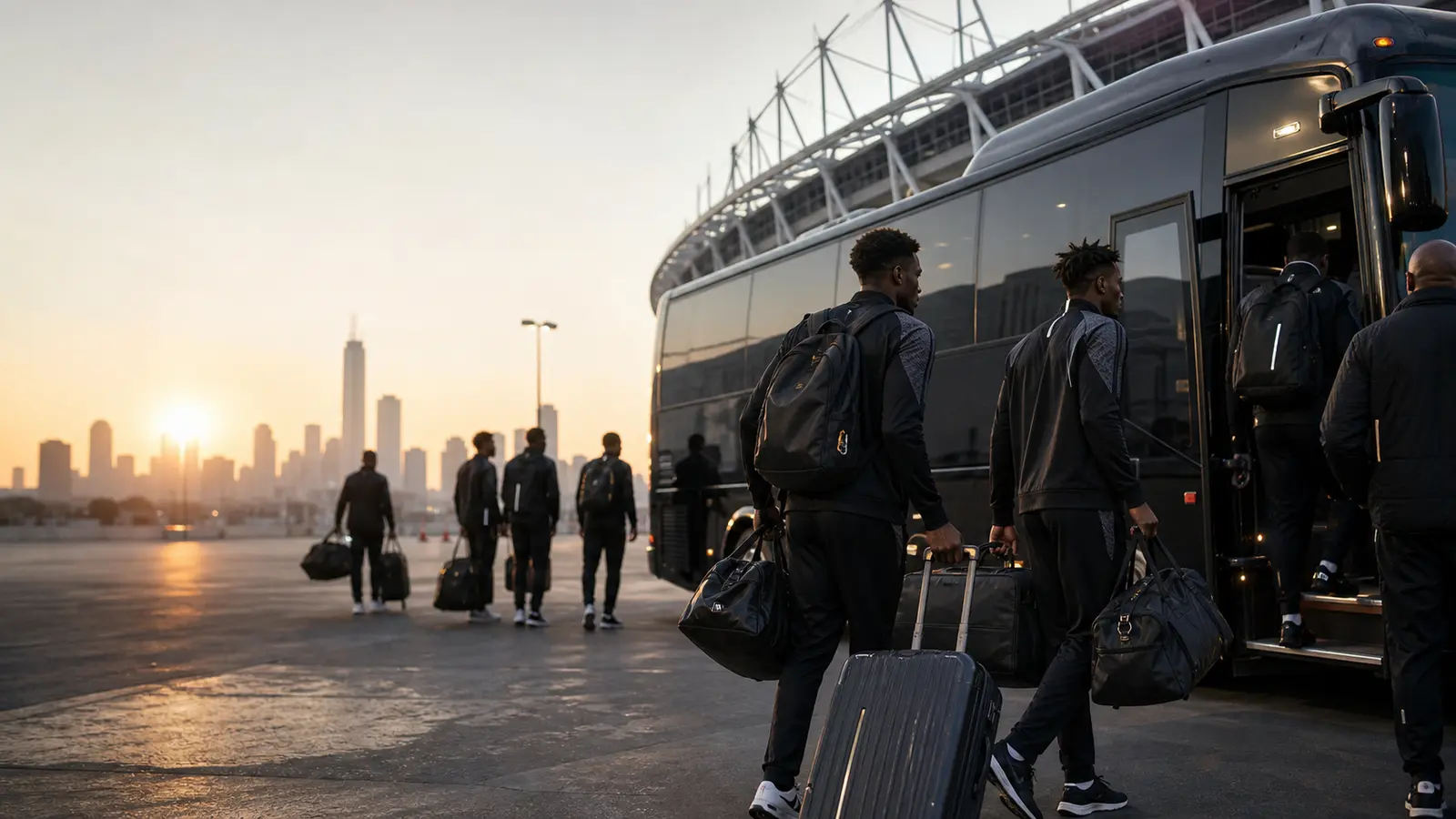
Travel across the United States, Canada and Mexico will make recovery planning part of the tactical plan. Sleep, hydration, training load and medical routines can influence what happens on the pitch.
Set pieces may become even more valuable. In a long tournament, corners, free kicks and rehearsed routines can win matches when open play becomes slow or nervous.
Tactical flexibility also matters. A team may need to press high in one match, defend deeper in another and protect a lead without losing the ability to counterattack.
Mental strength is not just a motivational phrase. Captains and senior players must help the group reset after mistakes, media pressure, travel delays and selection disappointments.
Data and scouting can give small advantages, but only if players understand the message. Too much information can confuse a team; clear instructions can sharpen it.
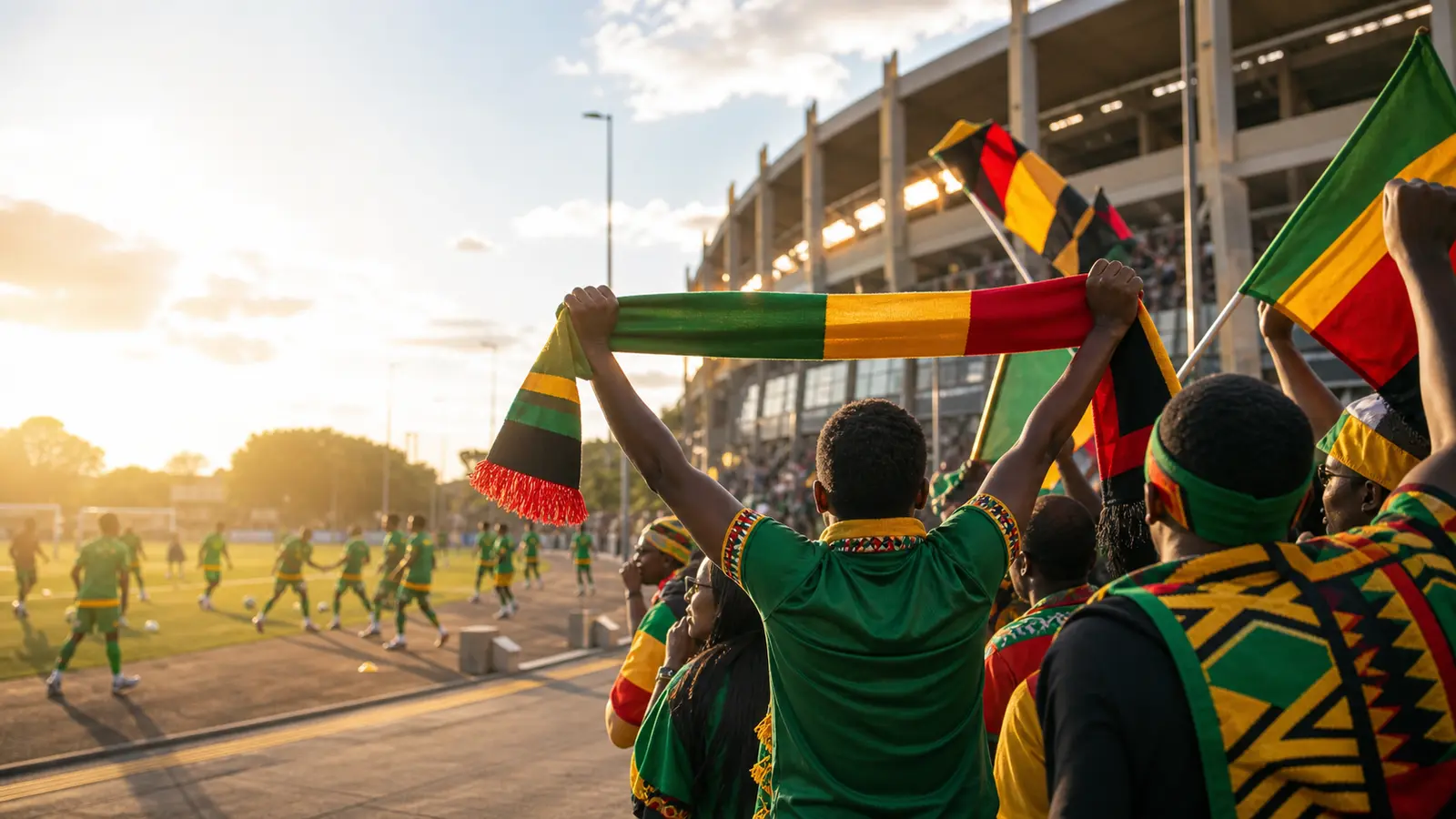
For African teams, the opportunity is real because the field is wider. The challenge is to combine emotion and natural talent with the professional structure needed for a long campaign.
The winning formula is balance: talent, fitness, planning, calm leadership and the ability to solve problems quickly. The team that manages all five will have a serious chance. Support teams behind the players will matter too, because nutritionists, analysts, doctors and logistics staff can quietly decide whether talent arrives fresh enough to perform.