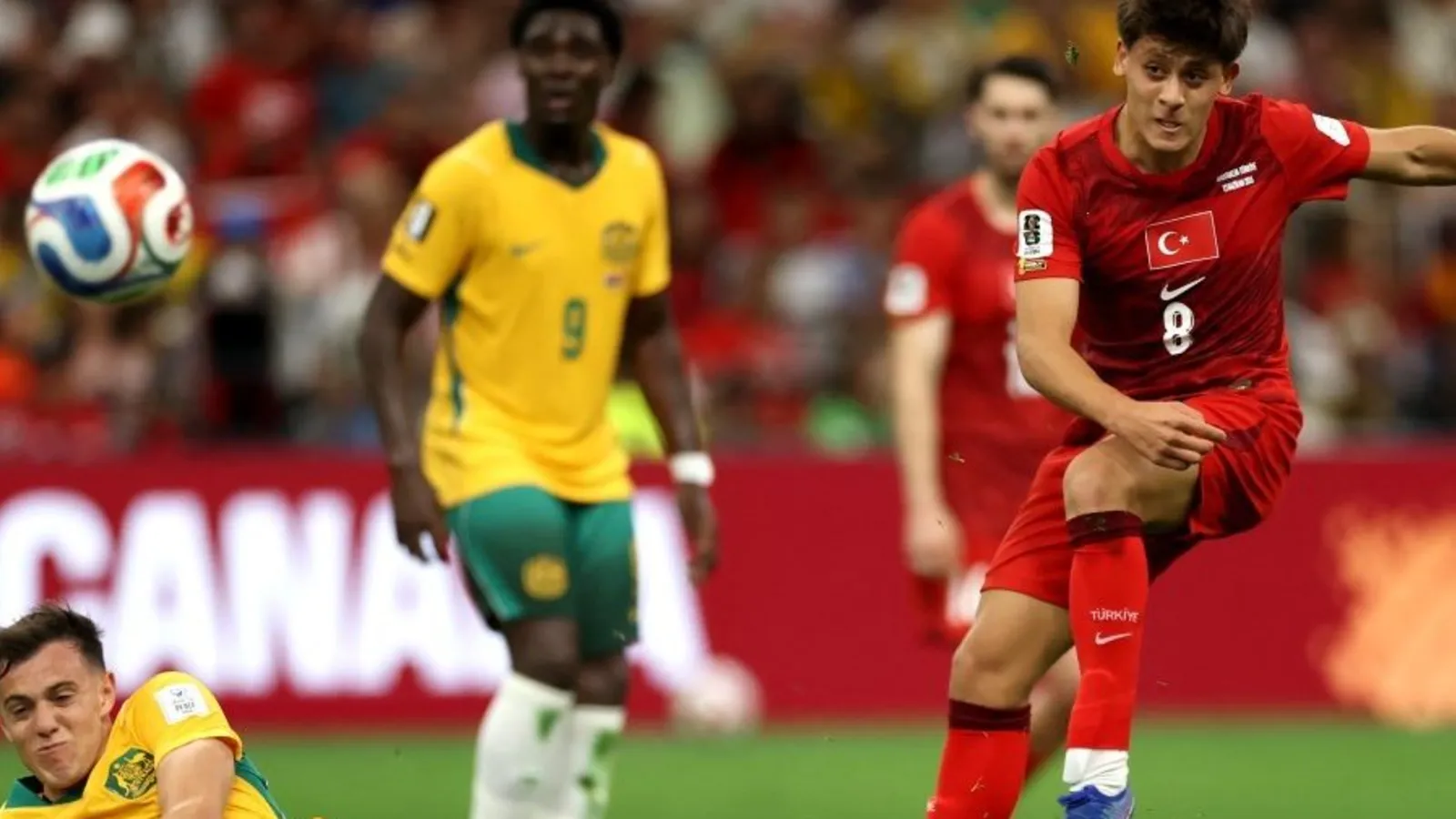
Australia's reported 2-0 win over Turkiye became a useful reminder that tournament football can turn quickly when a disciplined team gets the first big moment right.
Nestory Irankunda was the name that changed the feel of the match. His pace, direct running and willingness to attack space gave Australia a weapon Turkiye could not ignore.
The result was not only about one player. Australia defended with structure, kept the spaces narrow and waited for moments when quick attacks could punish Turkiye's shape.
For a young winger, the most important detail is often decision-making. Speed creates fear, but the player still has to choose when to shoot, when to pass and when to keep pressure on a defender.
Turkiye's problem was that reputation did not become control. In World Cup group matches, a team that cannot turn possession into calm chances can suddenly look vulnerable.
Australia also showed the value of squad belief. When players trust the plan, they can survive difficult spells without rushing into tackles or losing the ball in dangerous zones.
For African teams and supporters, the lesson is useful. A clear plan, athletic wide players and defensive patience can trouble opponents that receive more attention before kickoff.
One win does not complete a tournament campaign. Australia still has to manage recovery, suspensions, pressure and opponents that will now prepare more carefully for Irankunda's threat.
For Turkiye, the response matters more than the shock. Group football allows recovery, but only if coaches fix the gaps quickly and players accept what the match exposed.
The bigger point is that a World Cup rewards clarity. Teams do not need to be famous to be dangerous; they need a plan that players can repeat when the stadium becomes loud. The next useful check is consistency: whether Australia can repeat the same concentration after opponents study the wide threat more closely.