The early World Cup results show why opening matches carry more pressure than many people expect. Favorites want control, underdogs want belief and one result can change the mood of a group.
Qatar holding Switzerland to a draw was a reminder that organization can make a match uncomfortable for a technically stronger opponent. Compact defending can turn patience into frustration.
Brazil failing to beat Morocco was an even bigger talking point because Brazil always carries the weight of history. Opponents now know that discipline can reduce the space where Brazilian talent usually shines.
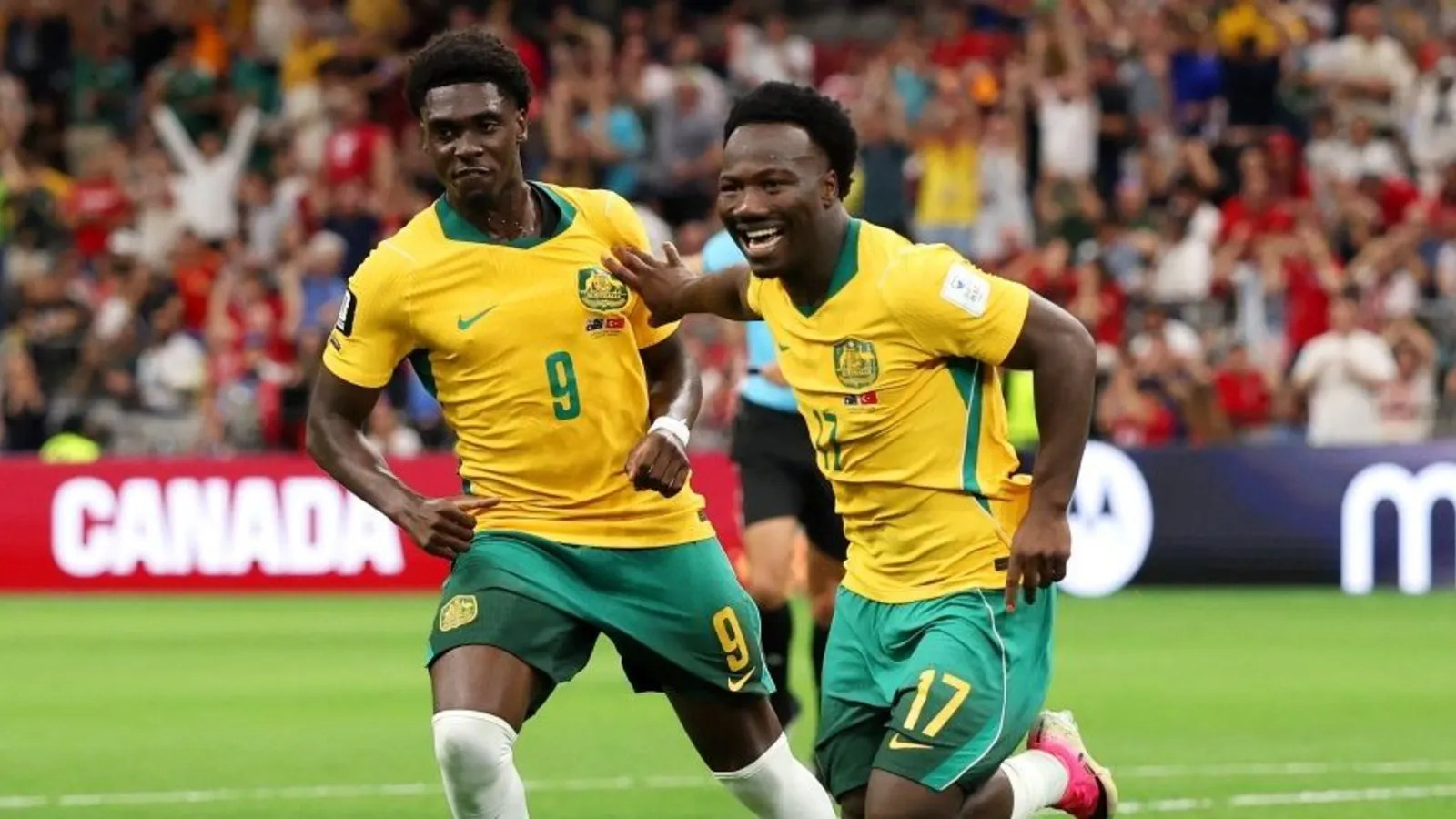
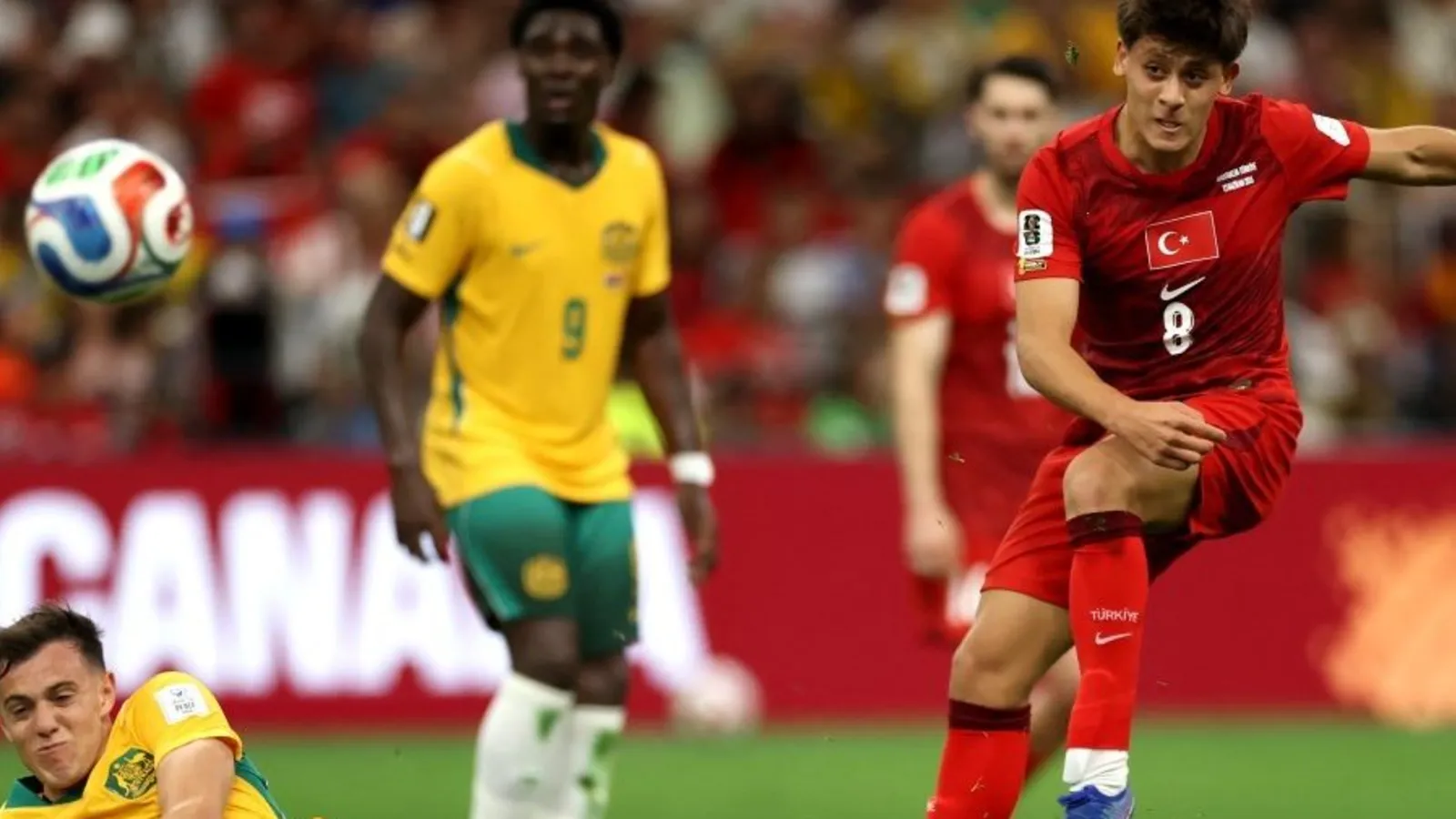
Australia's win over Turkiye added the clearest surprise. A result like that gives the winning team confidence while forcing the defeated team to answer difficult questions immediately.
These matches also show how the expanded 48-team format changes psychology. More teams arrive with a realistic hope of reaching the next stage, so caution and ambition sit together.
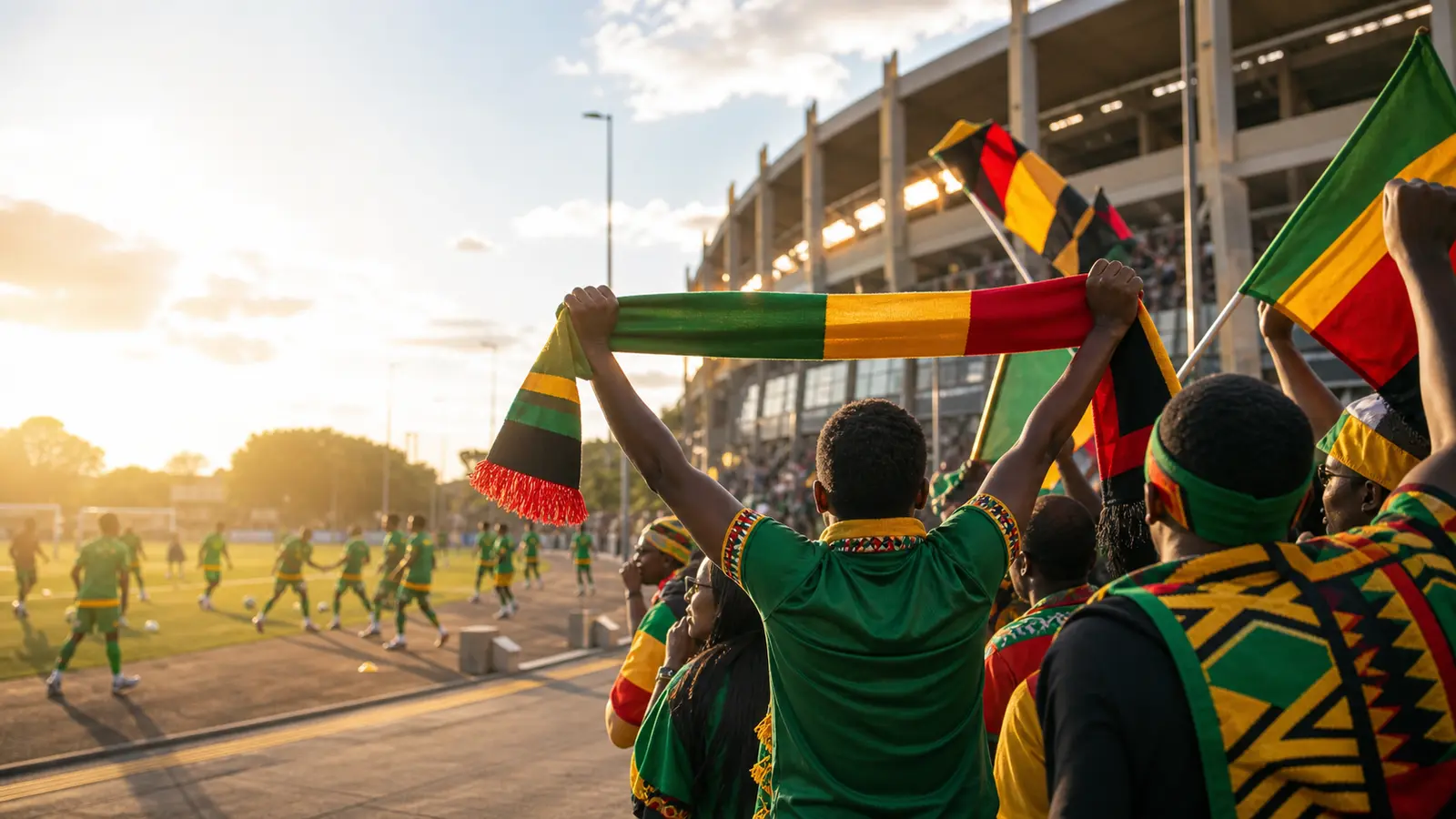
For African supporters, Morocco's performance matters because it continues the wider story of African and Arab football gaining respect through structure, belief and tactical maturity.
The lesson for favorites is that possession must become chances. Having the ball is not enough if attacks are slow, crossing is predictable and the opponent is comfortable defending the box.
The lesson for underdogs is that courage still matters. A draw can be useful, but a team also needs moments when it attacks with enough numbers to make the favorite nervous.
Early recaps can mislead if people treat one match as destiny. Group tournaments allow recovery, injuries change plans and coaching adjustments can transform a second game.
Still, the message from the first round is strong: reputation starts the conversation, but performance earns the points. That is what makes the tournament worth watching. Coaches will now look for repeatable patterns, not only emotion: who created chances, who managed transitions and who still looked stable after conceding pressure.