The World Cup opening ceremony works as a global broadcast before the first tactical story begins. It brings music, fashion, national symbols and football into one shared television moment.
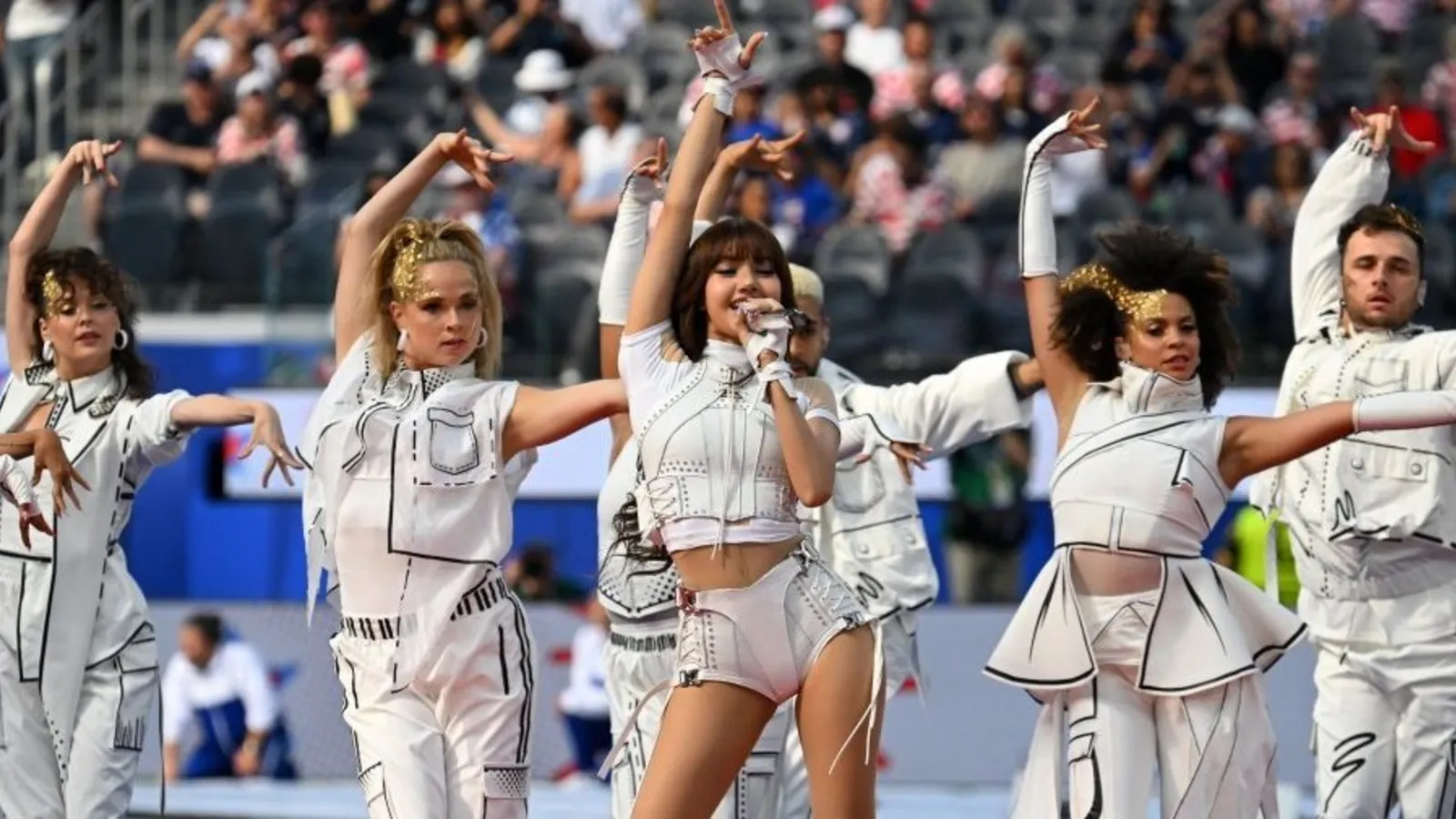
Lisa of BLACKPINK appearing on that stage shows how far the tournament has moved beyond traditional football audiences. K-pop fans, casual viewers and younger social media users become part of the opening conversation.
The reported mix of artists such as Lisa, Anitta and Rema also tells a wider cultural story. Latin pop, K-pop and African-influenced sounds now sit comfortably inside global sports entertainment.
For FIFA and organizers, this matters commercially because opening ceremonies create clips that travel faster than match reports. A strong performance can bring attention from people who may not watch every group game.
For football supporters, the balance is important. Entertainment should widen the audience without making the tournament feel like the sport itself has become secondary.
The Los Angeles setting adds another layer because the city is built around entertainment, celebrity culture and global media. A ceremony there is expected to look polished and exportable.
Younger audiences often meet major tournaments through moments like this before they learn the teams and fixtures. Music can become the doorway into a month of football.
The performance also reflects how Asian pop culture and African music have become major global forces. The World Cup stage now mirrors that cultural reality instead of treating it as a side note.
A ceremony cannot decide who wins the trophy, but it can shape the first memory of the tournament. That memory matters for sponsors, broadcasters and fans following from different continents.
The useful takeaway is that modern football is an event economy as well as a sport. The best ceremonies connect culture to the tournament without losing the human emotion that made football popular.