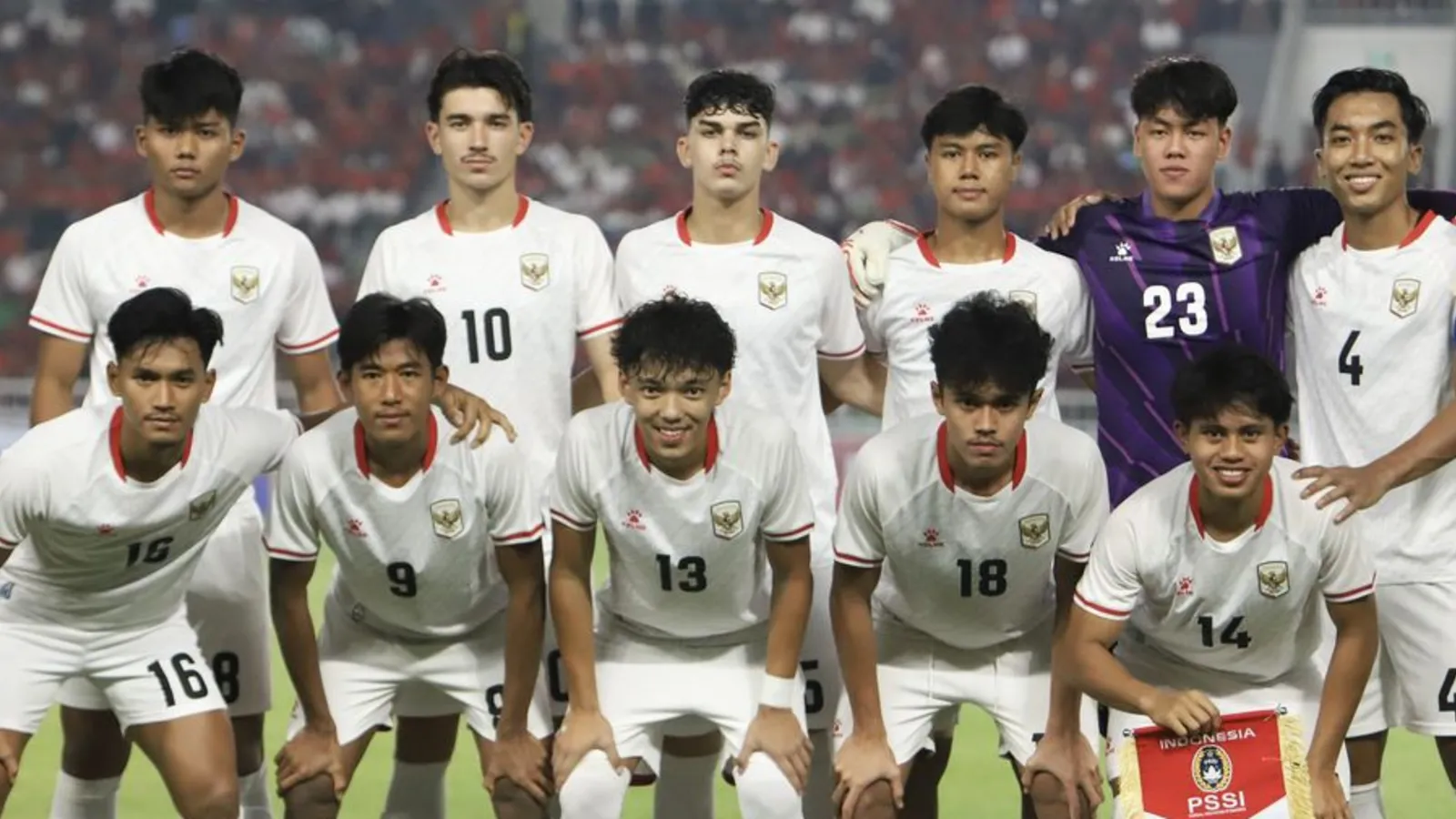
Indonesia U19's 1-0 win over Cambodia gave the team a third-place finish and a positive ending to a difficult youth tournament.
A narrow result like this can be more useful for young players than a comfortable win. It teaches them how to protect a lead and manage pressure late in a match.
The decisive goal from a set-piece situation showed why youth teams need rehearsed routines, not only individual talent. Details can decide tight games.
Cambodia's resistance also matters. When an opponent stays organized, young players have to be patient instead of forcing attacks that leave space behind them.
Youth tournaments are not only about medals. They help coaches see which players understand positioning, communication, discipline and emotional control.
For Indonesia, the result can become part of a longer development pathway. The best U19 players still need club minutes, physical growth and good coaching after the tournament ends.
Fans should be careful with expectations. A strong youth player is not automatically ready for senior football, but tournament experience can speed up learning.
The match also highlights Southeast Asia's growing investment in youth football. Regional games are becoming more competitive and less forgiving.
For African readers, the lesson is familiar: national-team progress begins years before the senior side appears on television. Academies and youth competitions matter.
The third-place finish is therefore useful if it becomes a step, not a finish line. Development only works when good tournament moments are followed by serious daily work. Coaches can use the match review to identify who stayed calm, who communicated under pressure and who needs more club minutes before senior expectations become realistic. The federation should track those lessons after the tournament instead of letting the result disappear as a one-day headline. The result is useful only if scouting reports, training plans and club opportunities follow the players afterward.