A coach's relief after a player avoided a serious injury points to a truth that football sometimes forgets during finals: the body of a player is not disposable.
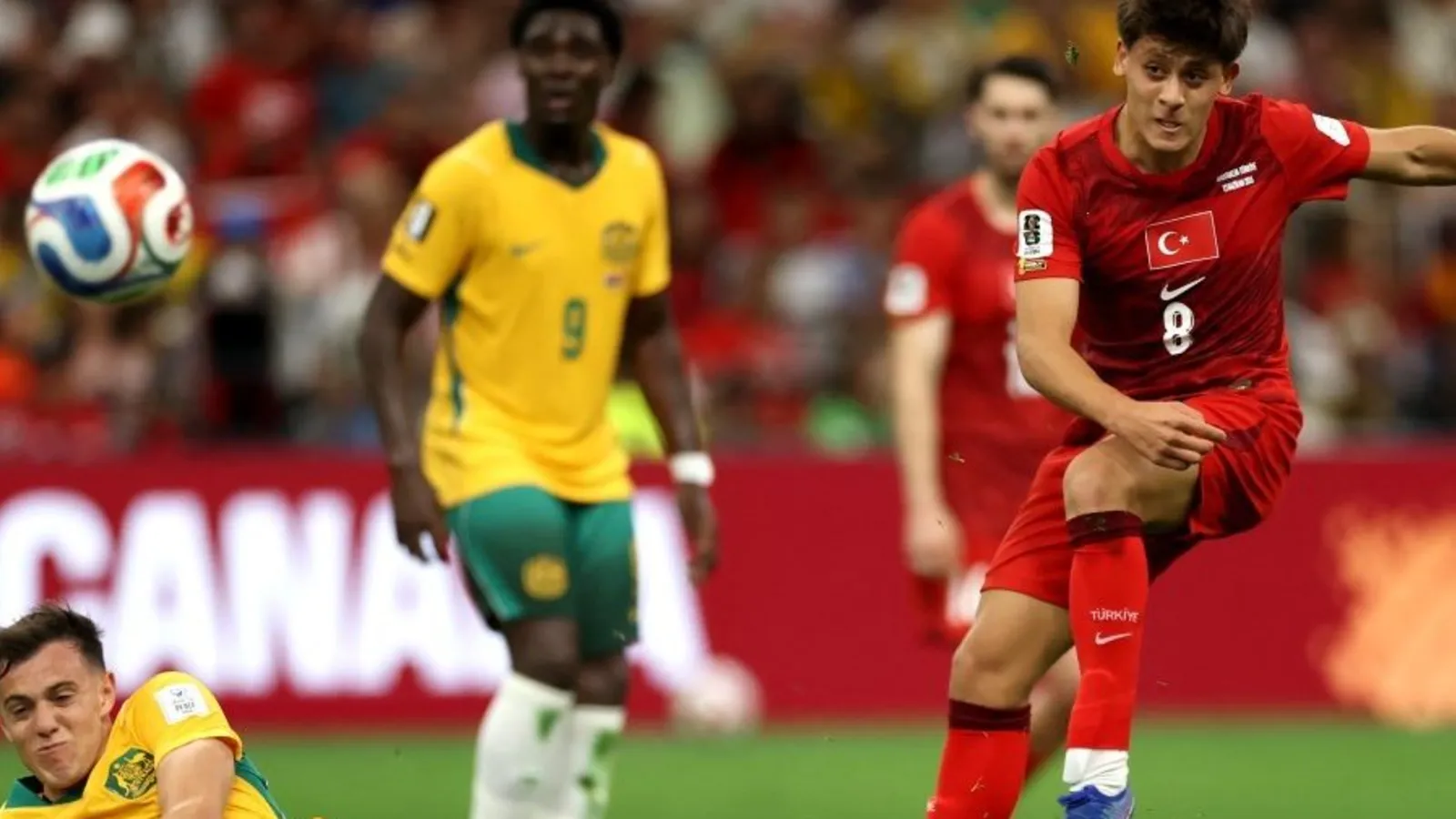
High-pressure matches encourage harder tackles, faster sprints and emotional reactions. In that setting, one bad challenge can change a career as well as a scoreline.
Medical teams have to make decisions quickly while the stadium is noisy and everyone wants the game to continue. Their independence is important.
Coaches also carry responsibility. They set the emotional tone, decide whether injured players should continue and speak publicly about opponents and referees afterward.
Referees matter because consistent punishment of reckless play can reduce risk. Letting dangerous contact pass early can make a match more aggressive.
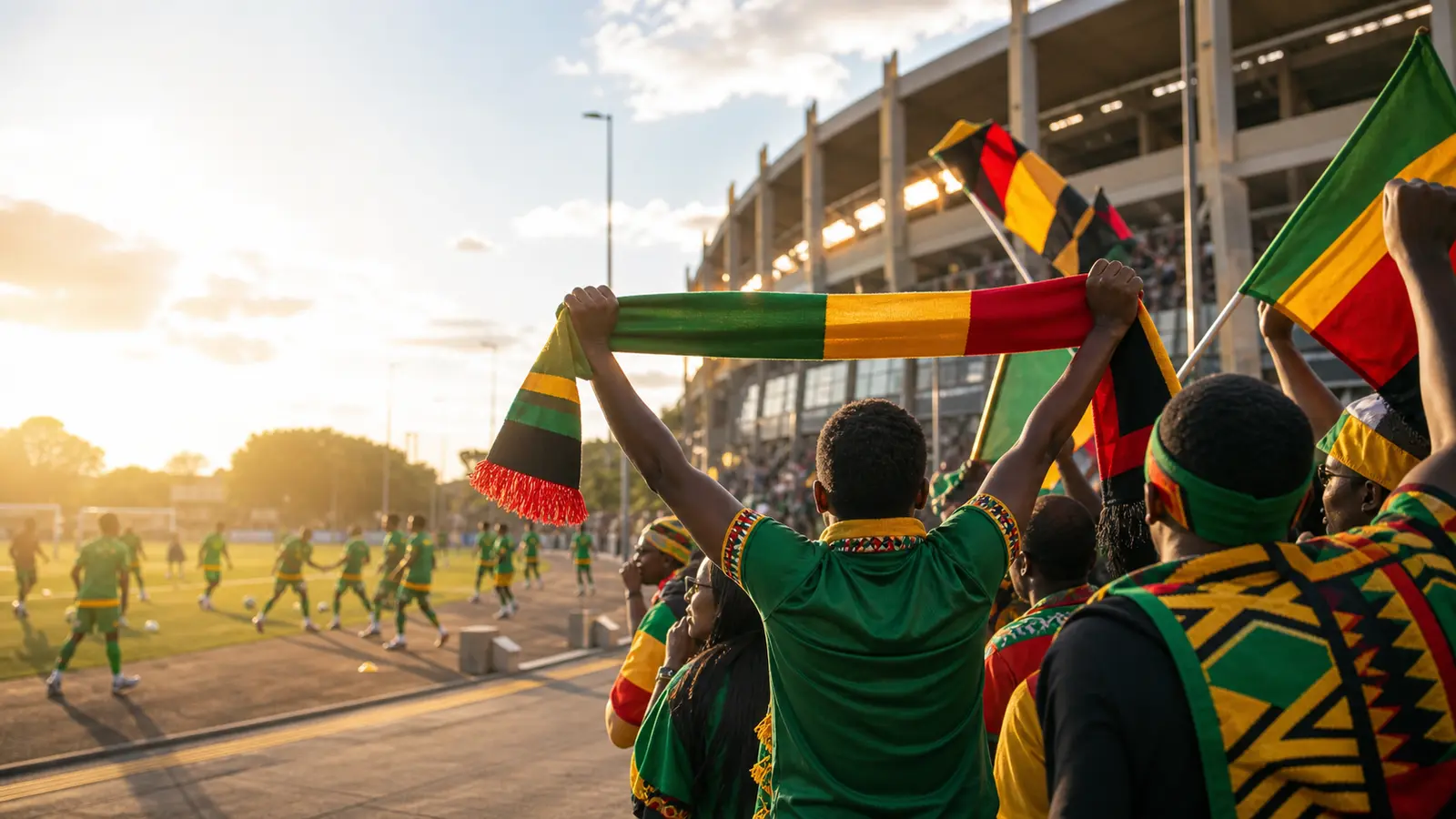
Supporters have a role too. Abuse toward injured players or medical staff makes the culture worse and can pressure teams into unsafe decisions.
The player-welfare conversation is not only about broken bones. Concussion risk, muscle overload, fatigue and rushed returns from injury are also serious.
For younger footballers, the lesson is clear: bravery is not the same as ignoring pain. A player who reports injury early may protect a long career.
Tournament organizers should study these moments because scheduling, pitch quality and recovery time can increase or reduce injury risk.
The result of a final matters, but a player leaving the pitch healthy matters too. Football is better when competition and care are treated as partners. Clubs can make this practical by publishing return-to-play standards and giving medical staff the authority to stop a player even when the match is important. A culture that protects players will usually produce better football over a full season because fit players can train, compete and improve. That message is especially important in youth football, where children often copy the risk-taking they see in professional matches.