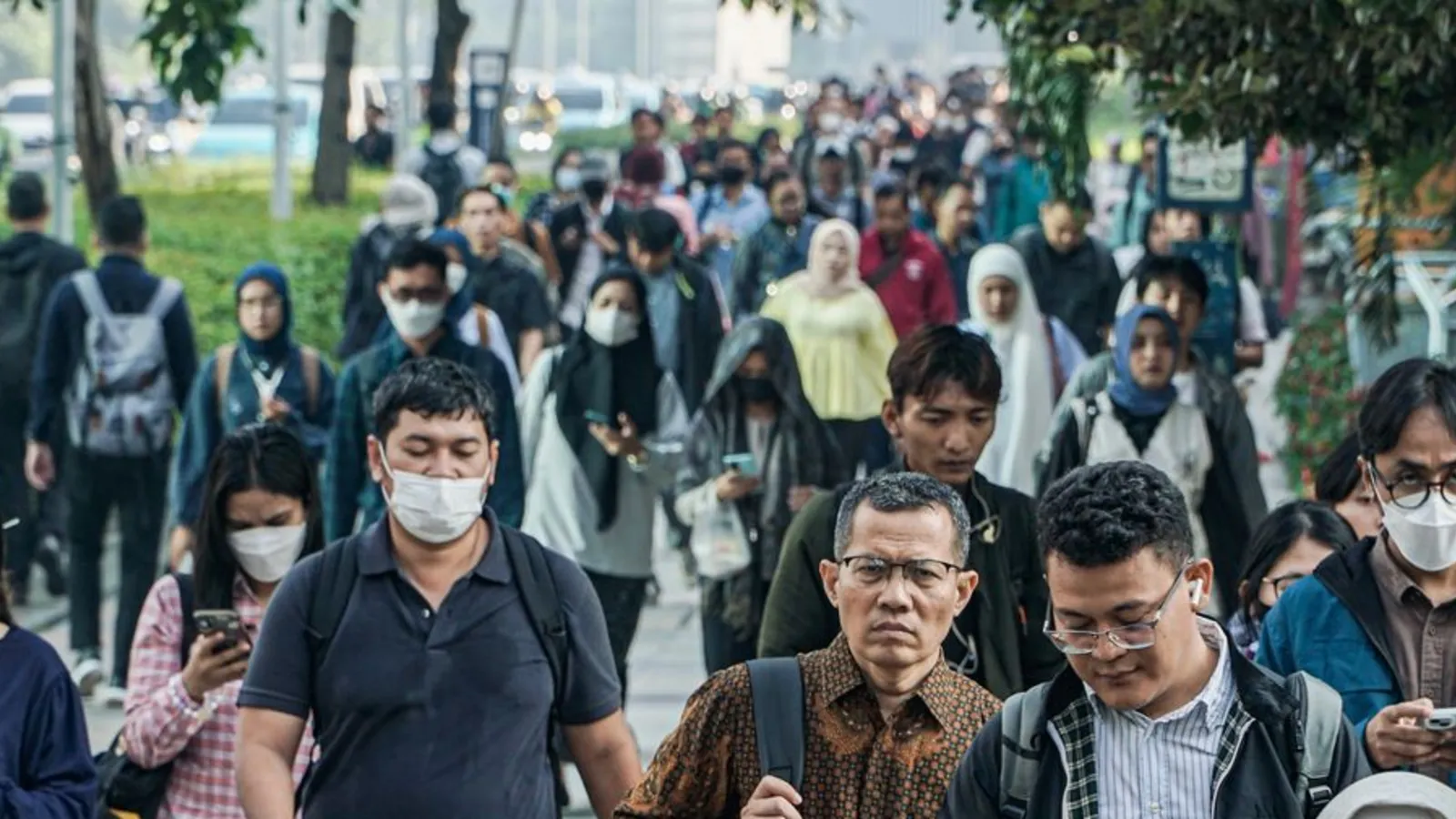
Indonesia's middle-class concern shows that growth numbers can look strong while many households still feel insecure.
The World Bank has warned for years that Indonesia needs more people to move from vulnerable or aspiring middle-class status into stable, secure livelihoods.
The middle class matters because it supports consumption, tax revenue, education spending and small business demand. When it weakens, the wider economy feels the pressure.
One problem is job quality. A country can create work, but if many jobs are informal, low-paid or unstable, families may struggle to build savings.
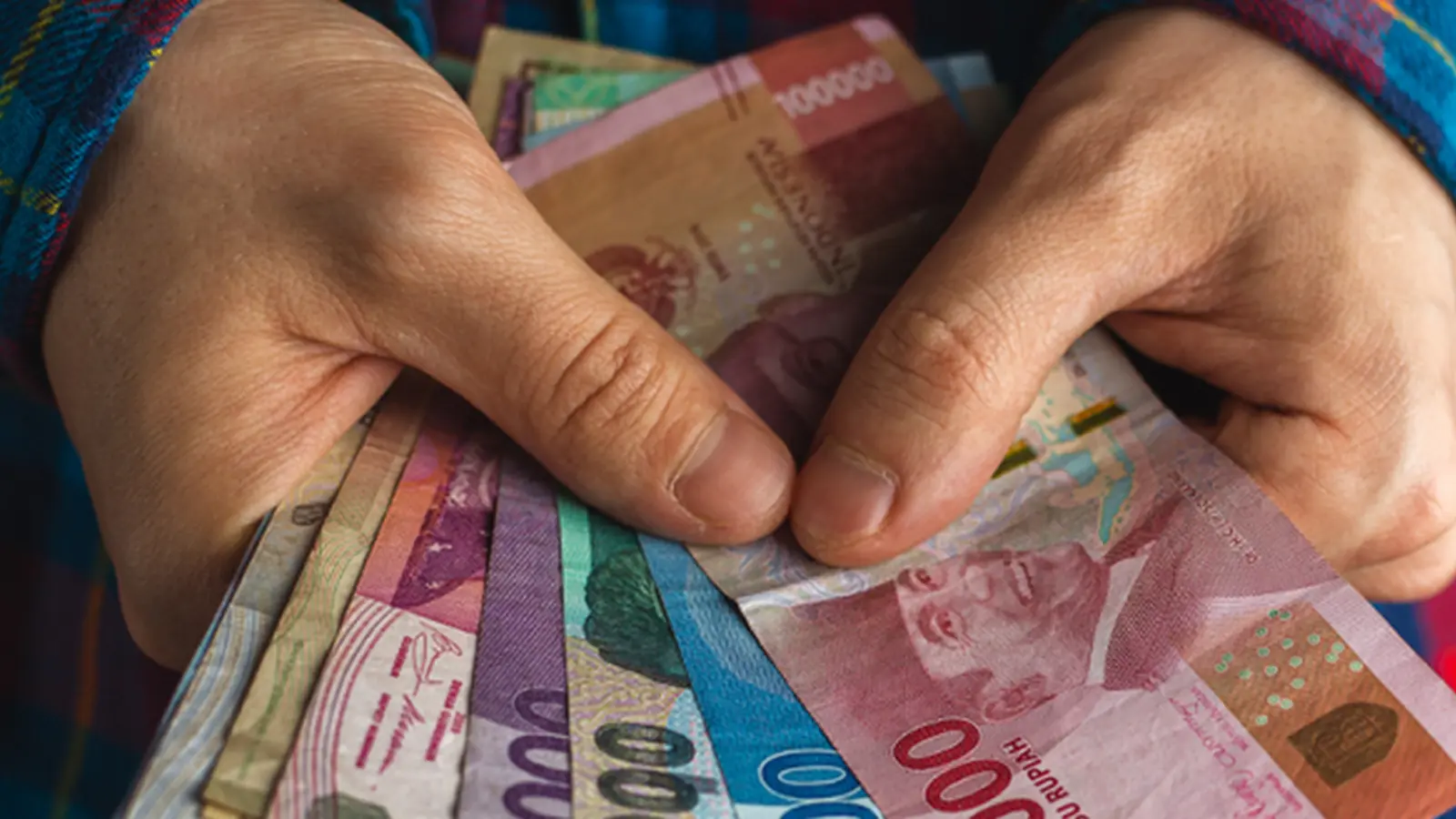
Prices also matter. Food, housing, transport, school fees and health costs can squeeze households even when income rises on paper.
A shrinking or fragile middle class changes behavior. Families delay purchases, avoid risk, reduce education spending or depend more heavily on relatives.
Public policy can help by improving skills training, health protection, affordable transport and access to formal jobs. These are not abstract reforms for families living close to the edge.
Businesses also need a healthier middle class because domestic demand is often what keeps small shops, restaurants and service firms alive.
For African economies, the lesson is direct. Moving people above poverty is important, but keeping them secure enough to plan for the future is a different challenge.
The useful measure is not only GDP growth. It is whether ordinary households can save, educate children, survive shocks and move upward without falling back. Readers should also watch the difference between income and security. A family may earn more than before but still feel middle-class life slipping away if rent, food and health costs rise faster. That is why labor-market quality, not only headline growth, should stay at the center of the debate. A stronger middle class also needs trust that today's progress will not disappear after one illness, layoff or price shock.