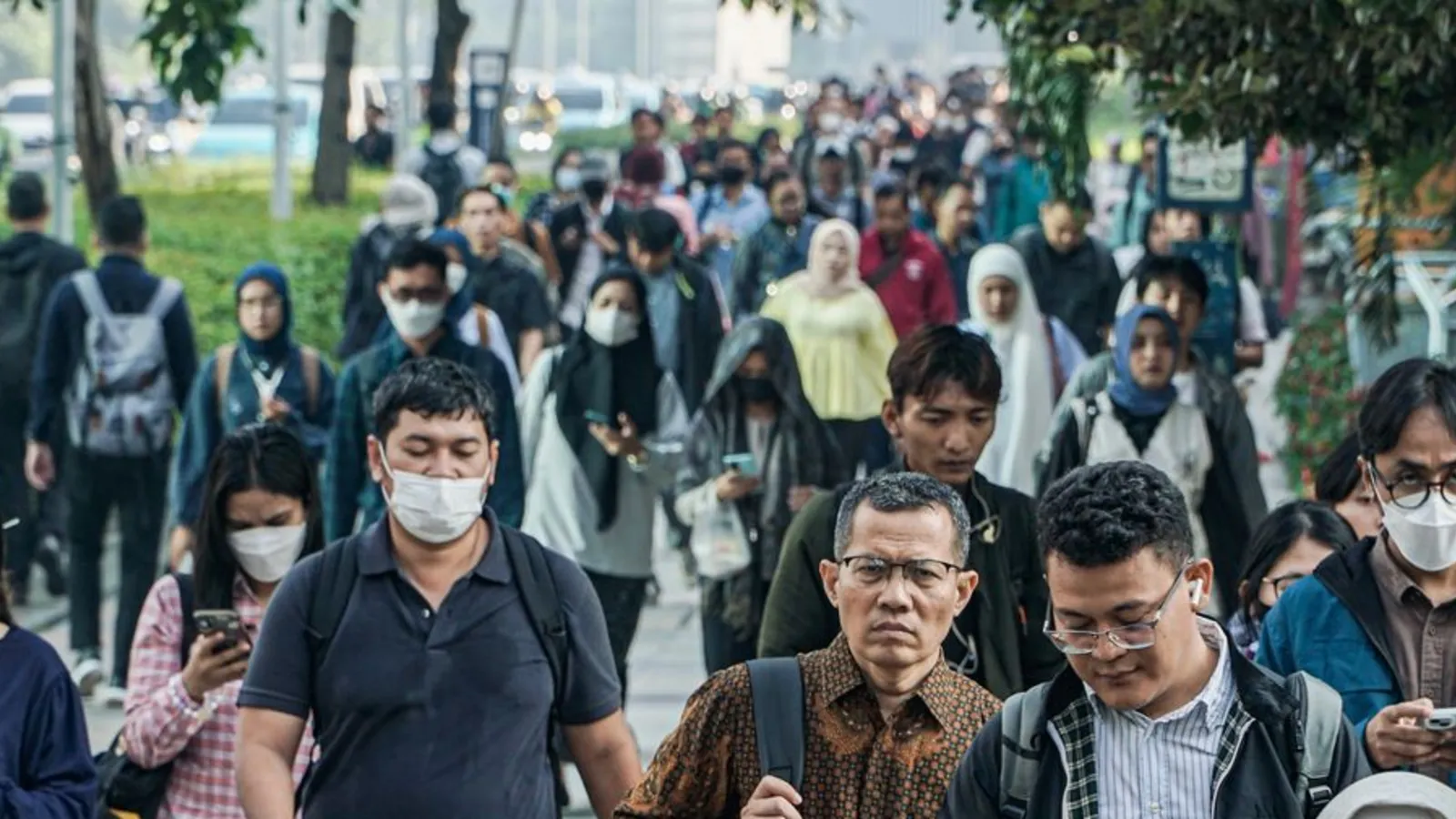
Labor-intensive industries such as garments, footwear and furniture matter because they absorb large numbers of workers and support many families.
Calls for deregulation should therefore be understood carefully. The goal should be to remove unnecessary delays and confusion, not to remove basic worker protection.
Factories often face pressure from energy costs, imported goods, wage rules, permits, logistics and changing buyer demands. Complicated procedures can make that pressure worse.
At the same time, weak standards can create unsafe jobs and low wages. A country does not become competitive in a healthy way by pushing workers into insecurity.
The better approach is simpler rules with clearer enforcement. Businesses should know what permits they need, how long approval takes and what standards they must meet.
Training is part of competitiveness. As machines and digital systems enter factories, workers need skills that help them move upward instead of being replaced silently.
Small suppliers also need support because they often struggle more than large companies with paperwork, financing and compliance costs.
For governments, labor-intensive industry is a social policy as well as an economic policy. Jobs can reduce poverty only when they are stable enough to support planning.
African economies face a similar choice. They need investment and industrial jobs, but they also need rules that prevent a race to the bottom.
The strongest reform is balance: faster permits, reliable infrastructure, worker safety, skills training and a fair path for businesses that want to compete honestly. A practical reform agenda would measure approval time, worker injuries, wage quality and factory survival together, because only one number can hide the real trade-off. That balance is what separates serious industrial policy from a race to cheaper labor with weaker safeguards. It should also include worker voice, because people inside factories often see safety and productivity problems before managers or regulators do.