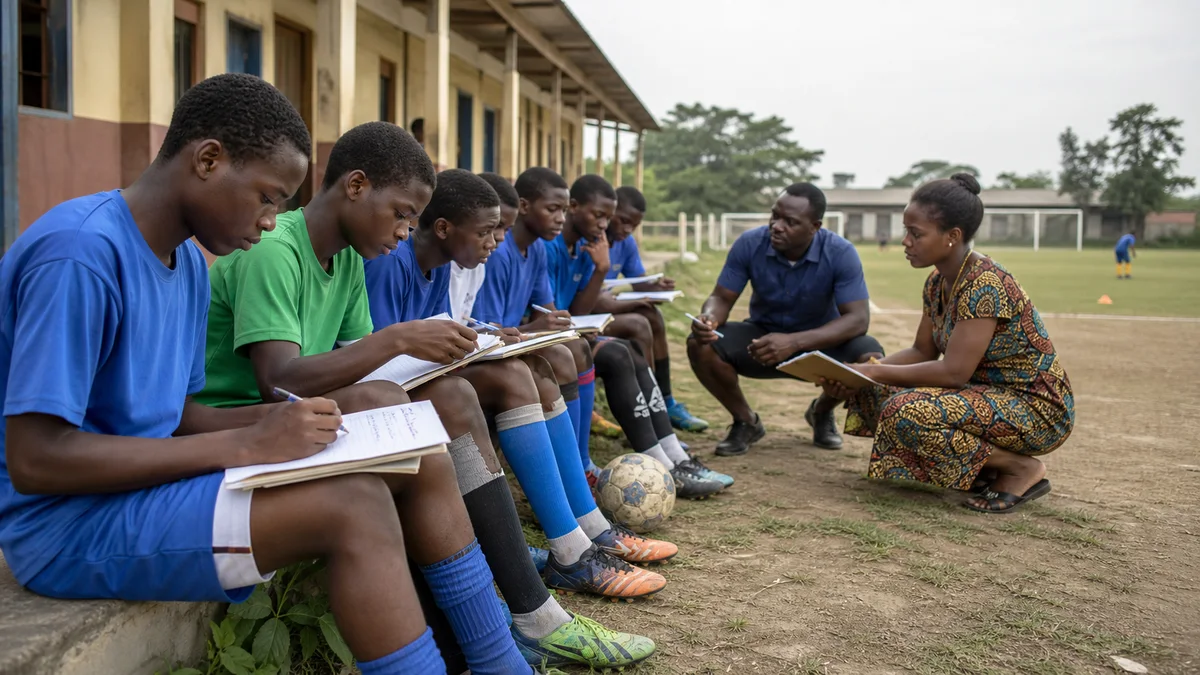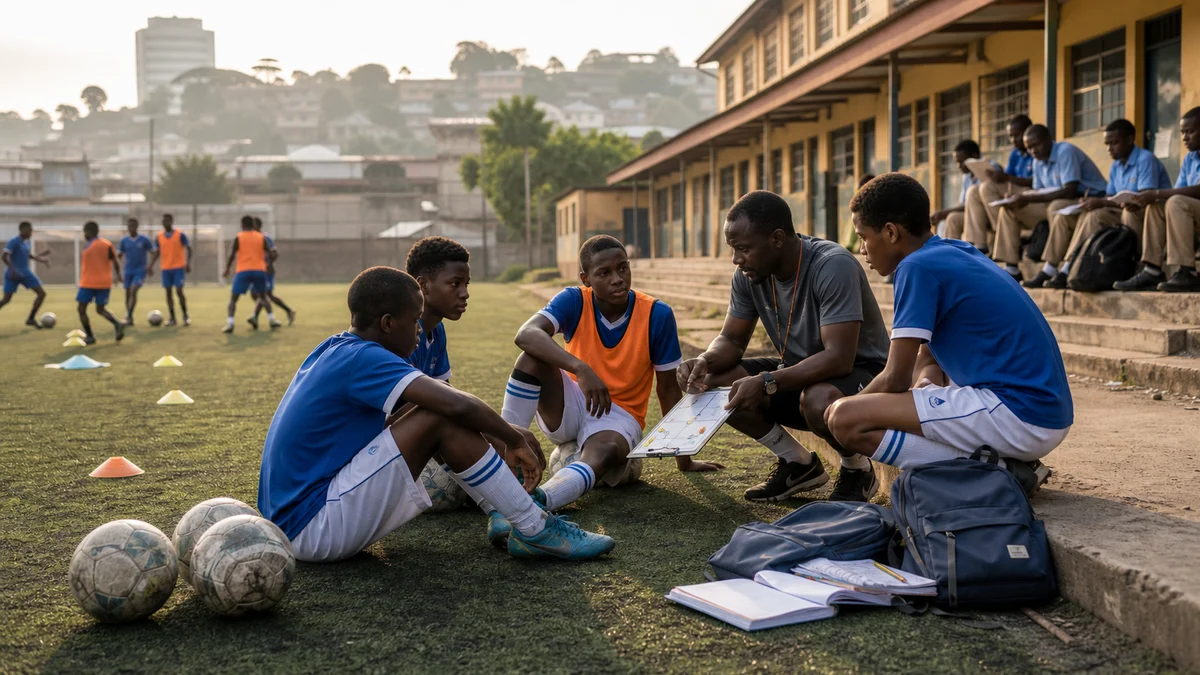
African football often gets told through a beautiful story: a talented child, a scout who notices him or her and a career that begins quickly. But a real pathway is not a fairy tale. Youth football needs steady coaching, enough matches, school support, medical checks and family guidance before talent becomes a profession.
A young player who scores often in a local tournament still needs the basics. First touch, decision-making, recovery, nutrition and emotional control are skills that must be taught repeatedly. If the system rushes the player, fame can arrive before readiness.
Schools and clubs need a stronger partnership. Parents may want football success, but education remains insurance. A career can change because of injury, form or visa problems. A player who studies and understands money, contracts and health is better protected than one who trusts only one promise.
Coaches also need support. A grassroots coach without equipment or training can work hard, but cannot give every child modern development. Federation plans that expand coaching courses, girls participation and safe facilities can widen the talent pool.
Fans often ask why some young stars disappear. The answer is usually not a shortage of talent. It is a shortage of pathway. If the league calendar is unreliable, medical care is weak or agents create pressure too early, a gifted player can lose direction.
African football can produce more lasting stars if development becomes patient. Youth tournaments are a window, but the daily environment builds the career. Talent opens the door; coaching, education and protection help the player walk through it.
Scouts and parents also need patience. A player aged 15 or 16 can have a strong month and a weak month. A good development plan watches long-term movement, attitude, school record and injury history, not only a highlight video. When adults protect the player from pressure, talent has a better chance to grow in a healthy way.