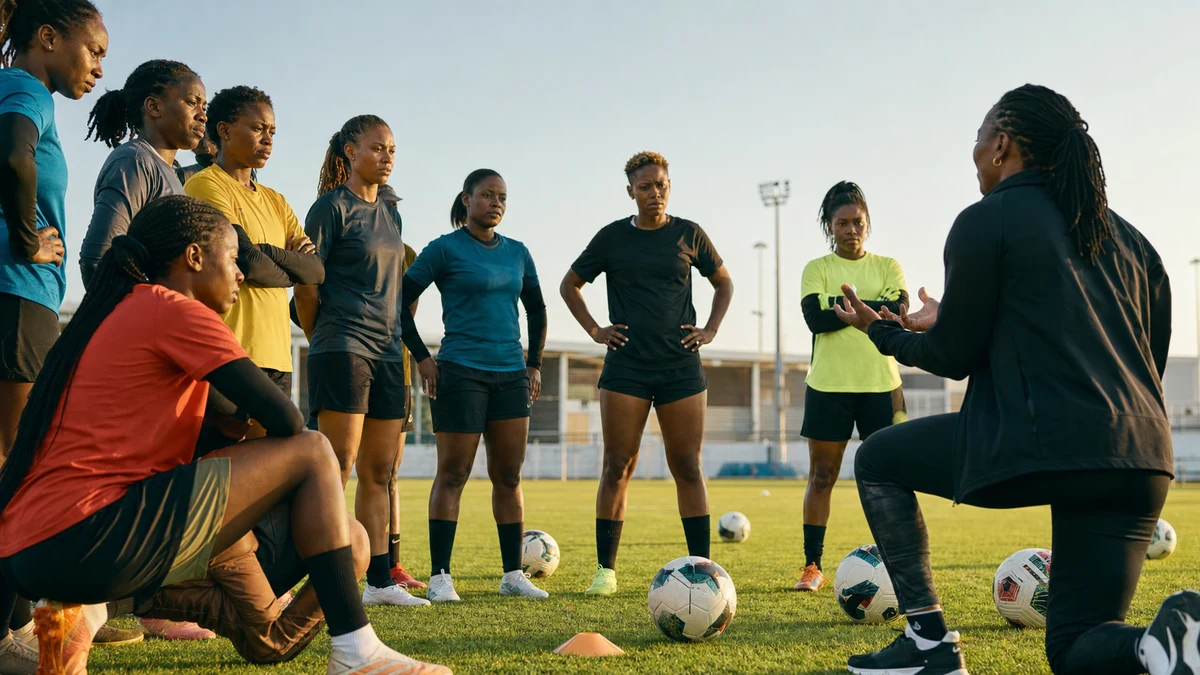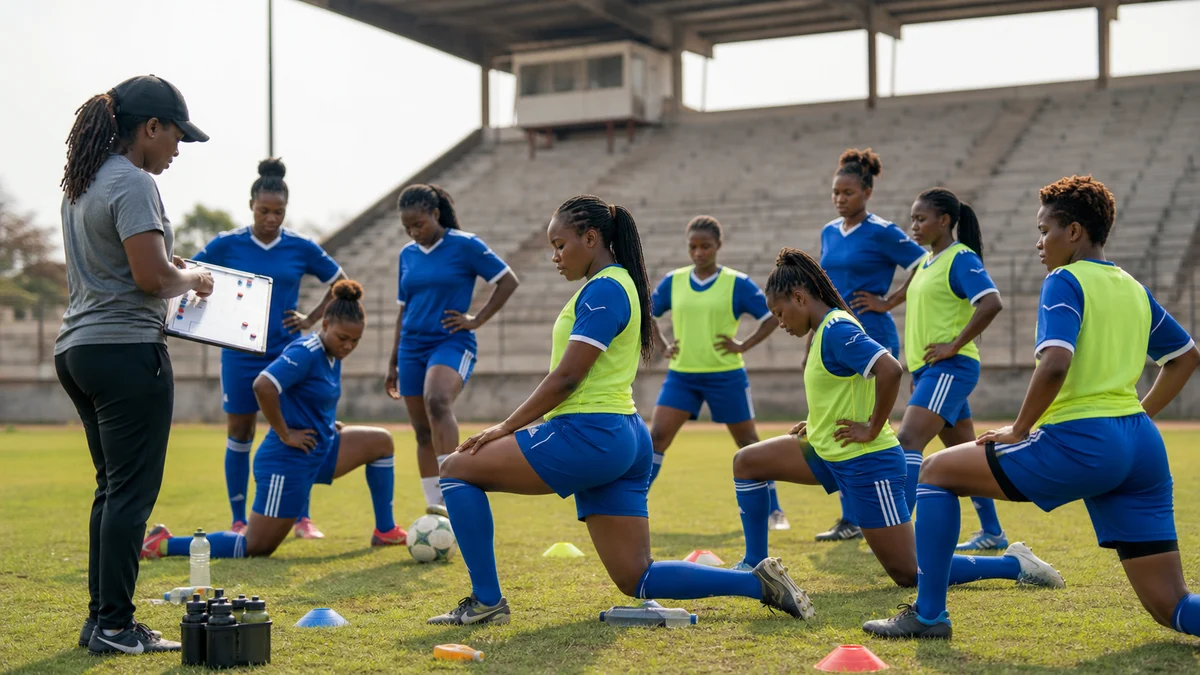
African women's football has earned more attention through major tournaments, but lasting growth needs a stronger club calendar. National team success matters, but players develop every day at clubs. If the league season is short or fixtures change often, development becomes uneven.
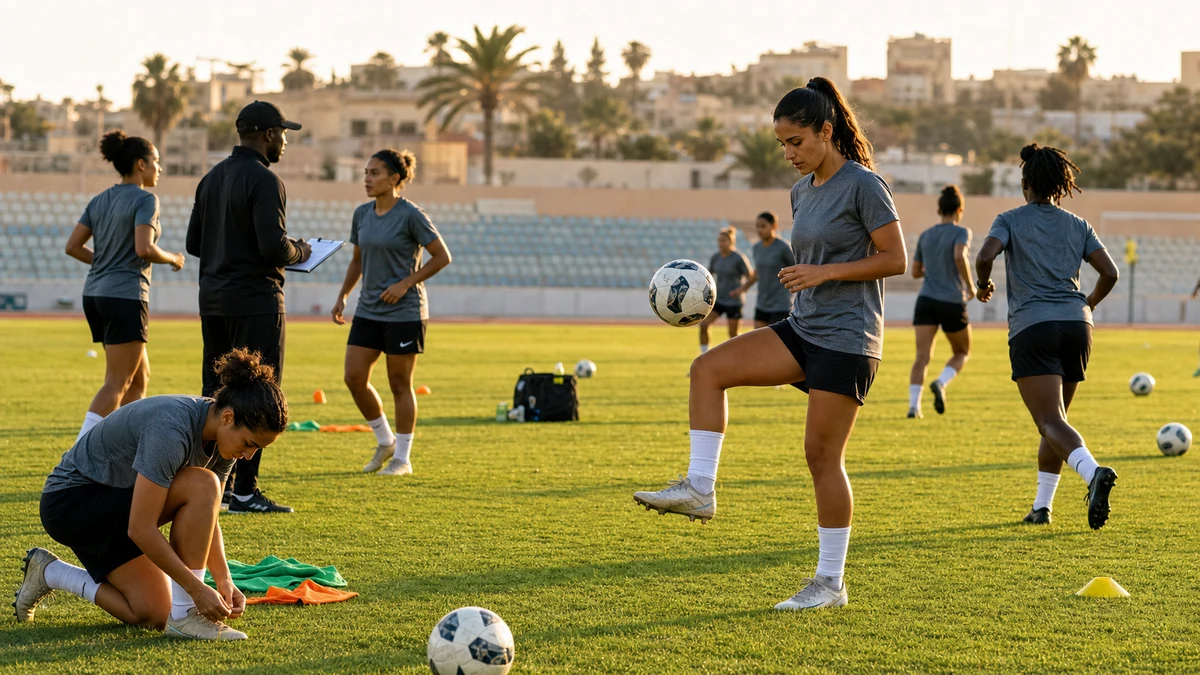
A club calendar gives coaches a plan. Players gain rhythm, medical teams understand workloads and fans build the habit of watching matches. Media organizations can also plan coverage. When match dates are unclear, broadcasters, sponsors and supporters hesitate to commit.
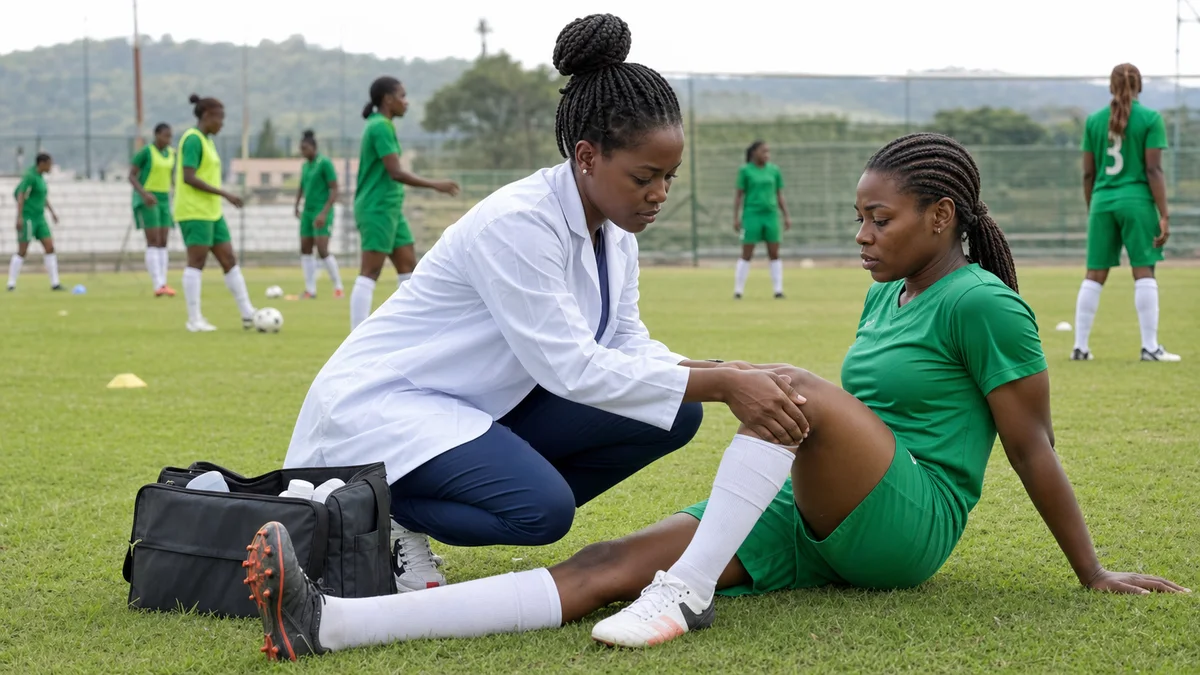
Player welfare has to remain central. Many women players still balance football with school, work or family responsibilities. A late calendar or chaotic travel schedule can move the cost onto the player. Professional growth should protect the athlete, not simply ask for sacrifice.
Grassroots girls also watch the senior game as a mirror. When they see clubs with matches, coaches and audiences, a football career feels real. If they see only one tournament a year, the dream feels distant. Visibility matters at the weekend-to-weekend level.
The commercial side needs patience too. Sponsors want numbers, but numbers come from consistency. Club football with schedules, highlights, statistics and local stories can build an audience. One big final may create attention, but a season creates a market.
The next step is not hype alone. African women's football needs a calendar that clubs, federations, schools and media can work around. If the structure becomes reliable, players get minutes, fans build habits and the talent across the continent gets a better path.
Measurement matters too. Federations can track matches played, minutes for young players, injury reports, attendance and broadcast reach. Those numbers keep the story from becoming guesswork. They show where investment works, where travel cost is a problem and where girls need a safer entry into the game.
When clubs have a reliable schedule, families can also support girls more easily. A parent who knows match days and training days can plan transport, schoolwork and safety better.