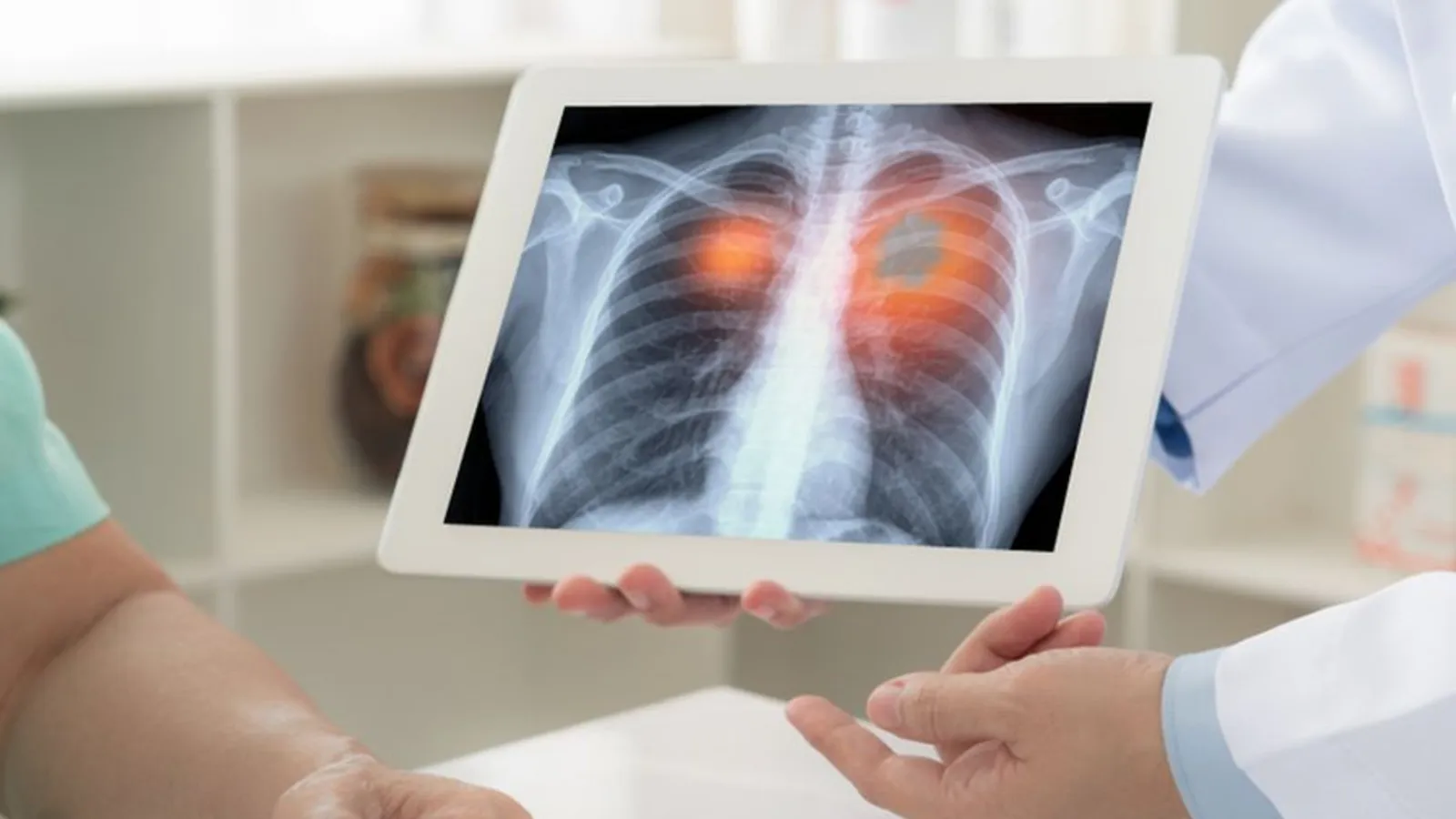
Cancer screening is designed to find certain cancers or warning signs before symptoms become obvious. That can make treatment easier and outcomes better.
Screening is not one universal test for every person. Age, sex, family history, smoking history and previous medical results all affect what a doctor may recommend.
Common screening discussions include breast, cervical, colorectal and lung cancer. Some people may also need advice about prostate, skin or other risks.
The benefit of screening is early detection, but there can also be false positives, anxiety, follow-up procedures and costs. That is why guidelines matter.
People should avoid waiting for pain before asking about screening. Many cancers do not cause clear symptoms in early stages.
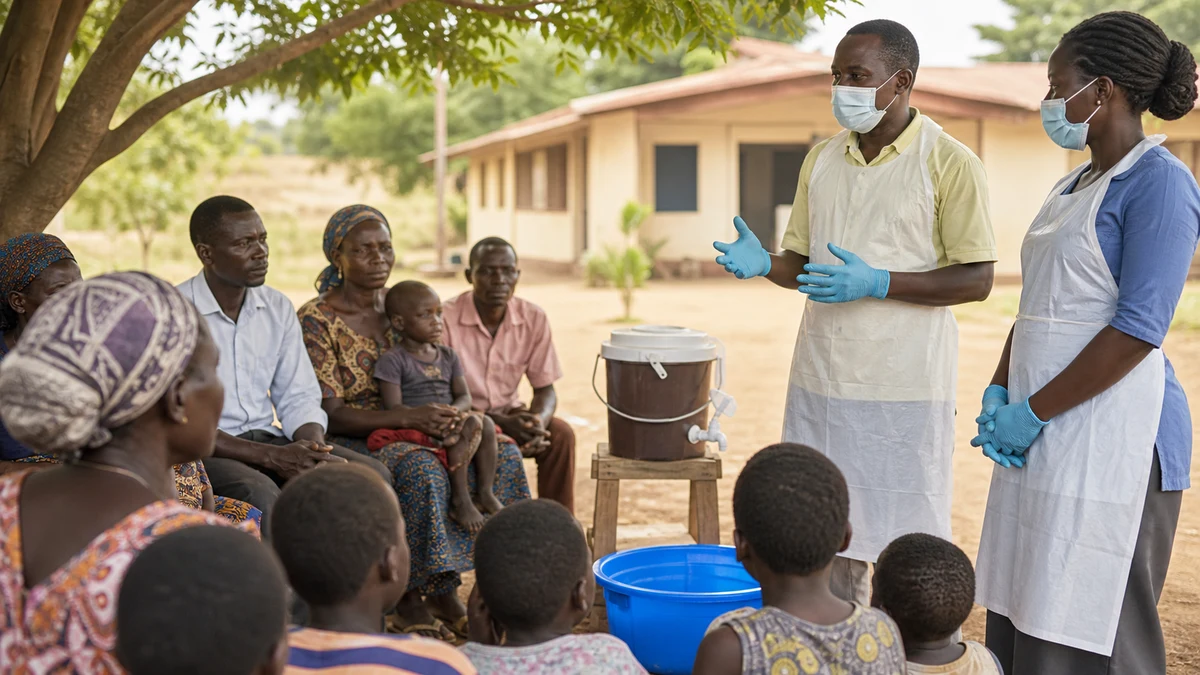
Access is a real issue. Rural areas, cost, fear and lack of information can stop people from getting recommended tests.
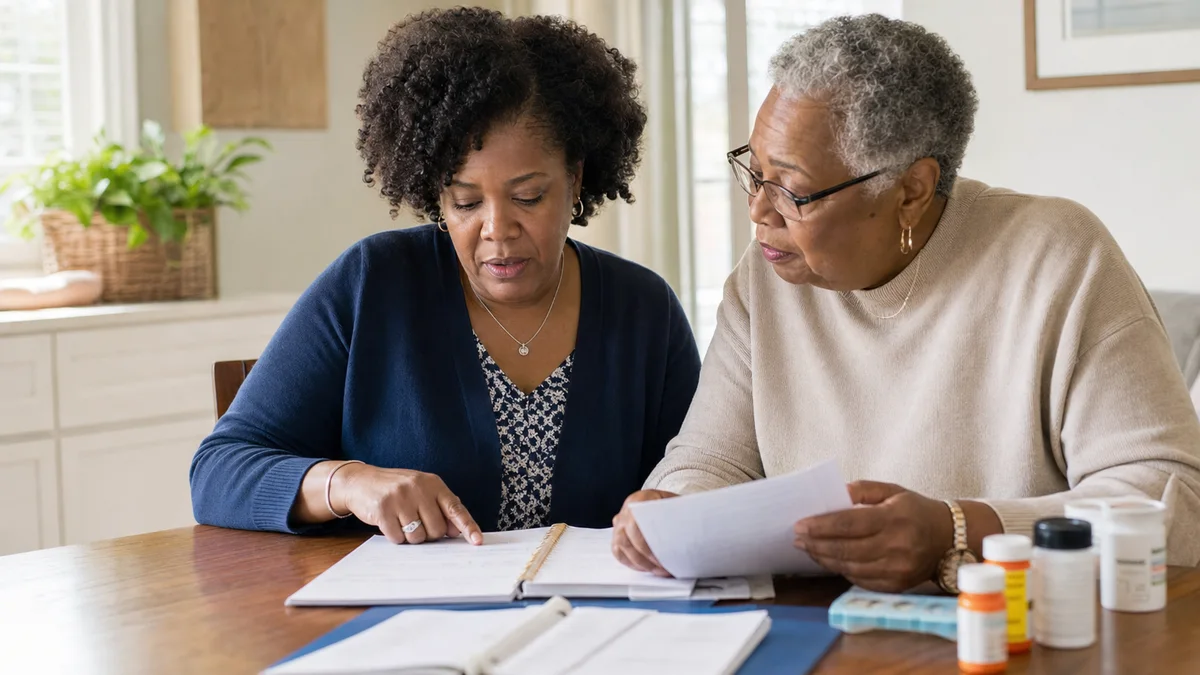
Families can help by knowing their history. A pattern of certain cancers among close relatives may change the timing or type of screening a clinician suggests.
Public-health messages should be simple and specific. Saying 'get checked' is less useful than explaining which test, at what age and for which risk group.
For African health systems, screening works best when it is connected to follow-up treatment. Detecting disease without affordable care leaves families stranded.
The practical message is to speak with a qualified health worker about the right screening schedule. Early information is better than fear-driven guessing. Readers should ask three practical questions at a clinic: which screening fits my age, which risk factors change the timing and what happens if the result needs follow-up. A screening plan should end with follow-up access, because a test only helps when patients can act on the result. That makes screening a system of care, not a single appointment. The best advice is planned early, not rushed late, safely.