AP reports that dangerous heat and heat-dome conditions are affecting large areas, and that warning belongs in every household plan. Heat is not only a weather story. It affects work, travel, school, sport and people whose health is already fragile. The plan should begin before the thermometer reaches its peak.
WHO warns that extreme heat can worsen dehydration and existing illness, especially for older people and young children. CDC guidance also notes that some medications can change how the body handles heat. Readers should not change medicine on their own, but they can ask a clinician before a hot spell becomes an emergency.
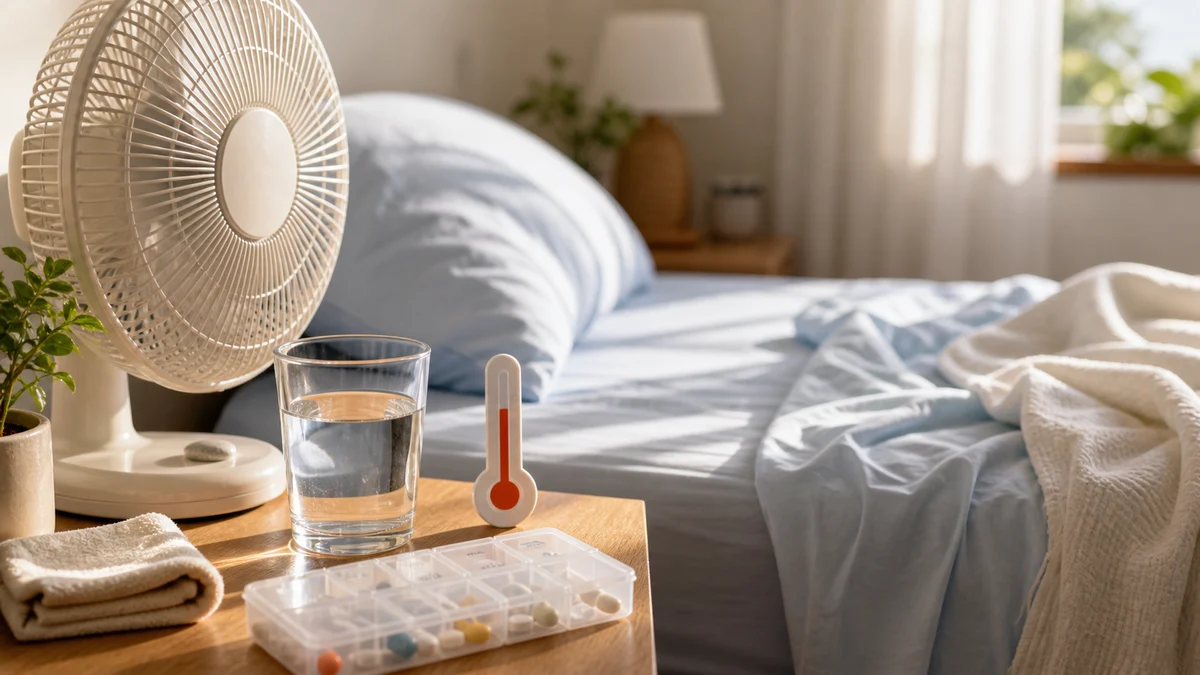
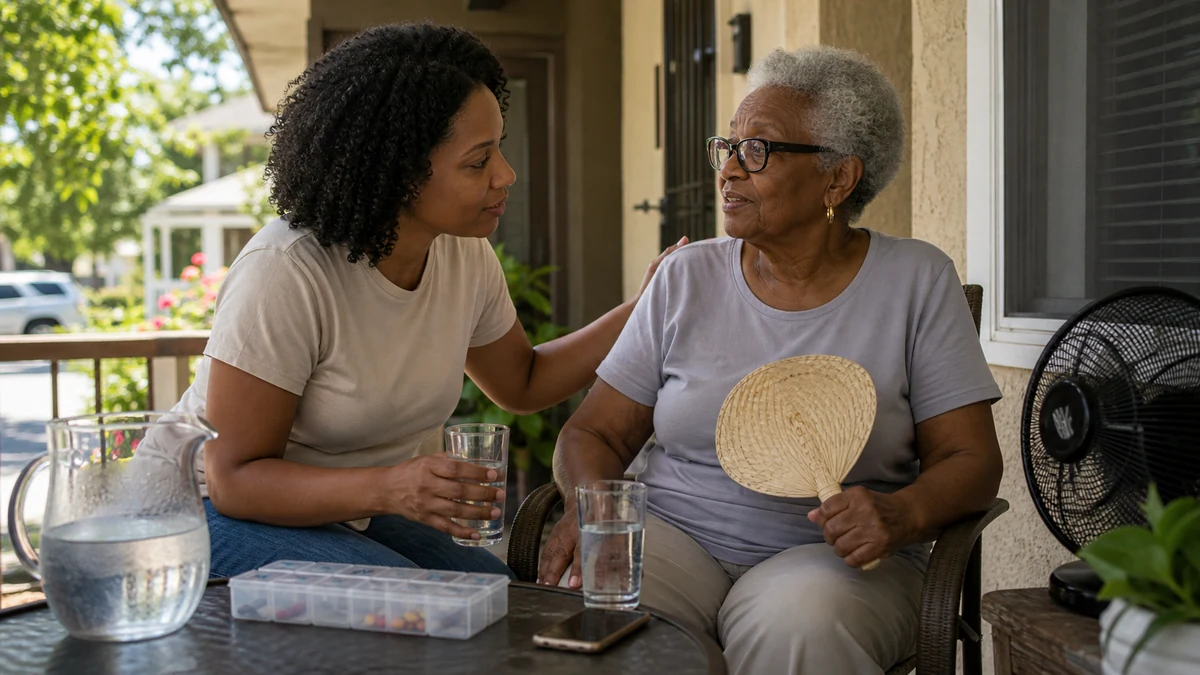
A practical family plan has four parts. First, identify a cool room or public cooling place. Second, keep water and light food available. Third, write down medication names and schedules. Fourth, set a call routine for older relatives or neighbours who live alone.
Neighbour checks are simple and powerful. If someone misses a call, another person should knock or contact a relative. Heat problems can build quietly through dizziness, confusion, headache, unusual sweating or very hot skin. When symptoms are serious, emergency services should be involved quickly.
Workers, coaches and event organizers also have responsibilities. Outdoor shifts, sports practice and long queues need shade, water and rest periods. Saying that everyone can push through is not a plan. A real plan gives people a way out of the heat before they become ill.
Heat planning is not panic. It is a seasonal checklist that households can revisit. Ask about medication, follow alerts, check on neighbours and make sure children and older adults know where to cool down. When those pieces are ready, the hottest day becomes less dangerous. The safest plan is the one a tired relative can follow without searching for instructions. Families should share the plan before alerts arrive.