Heat stress can begin quietly. A person may feel tired, thirsty, dizzy or confused and still think the problem is only a hard day. That delay is dangerous because heat illness can worsen quickly, especially for outdoor workers, older people, children and people with existing health conditions.
High temperature is only one part of the risk. Humidity, direct sun, crowded places, heavy clothing, alcohol, long walking distances and poor sleep can all make the body work harder. A football fan, market trader, construction worker or delivery rider may face several of these pressures at once.
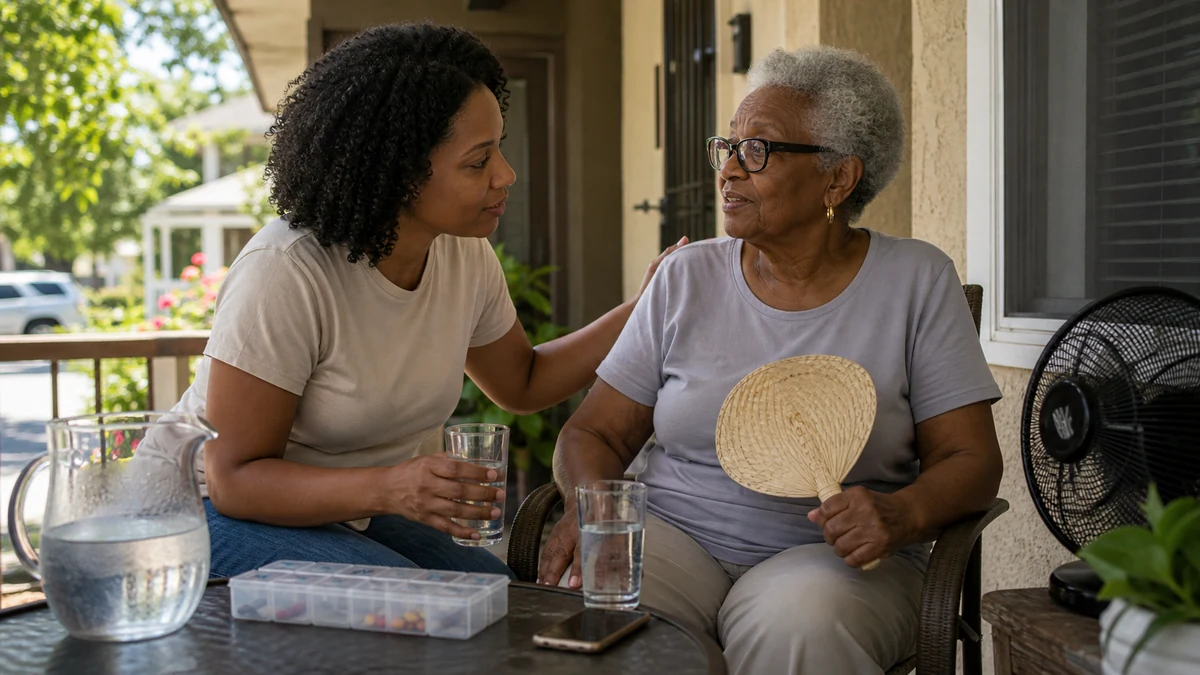
The first protection is planning. People should drink water regularly, seek shade, reduce heavy activity during the hottest hours and watch each other for warning signs. Waiting until someone collapses is not a plan. Heat safety works best before the emergency.
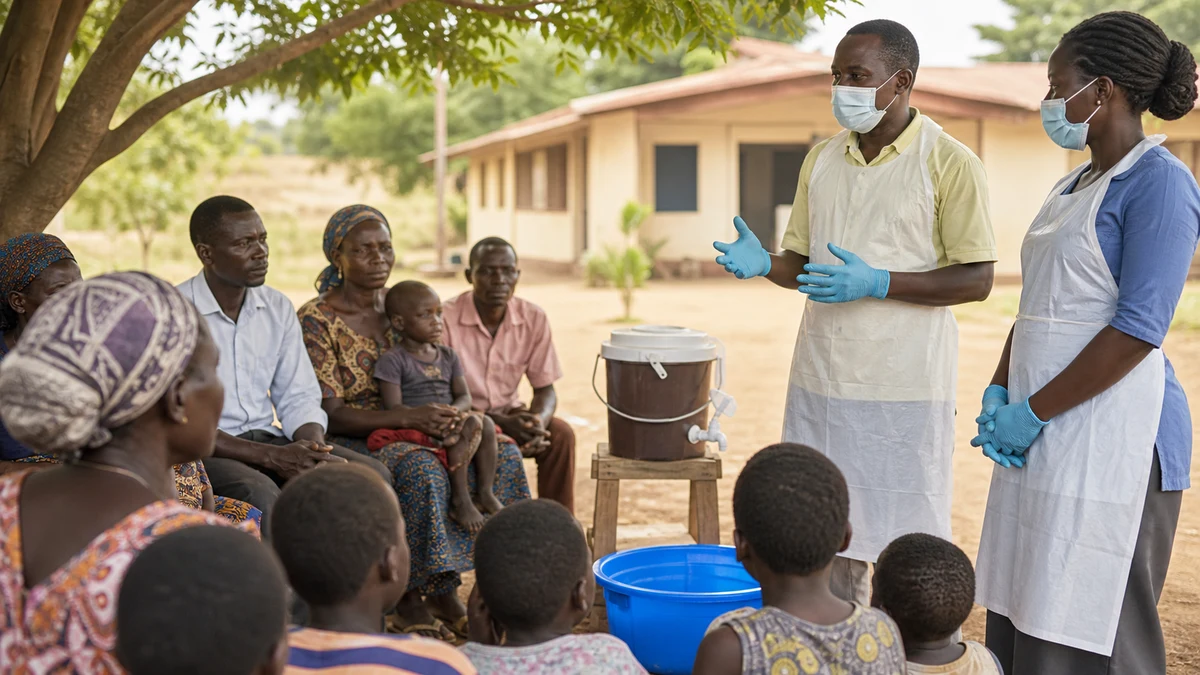
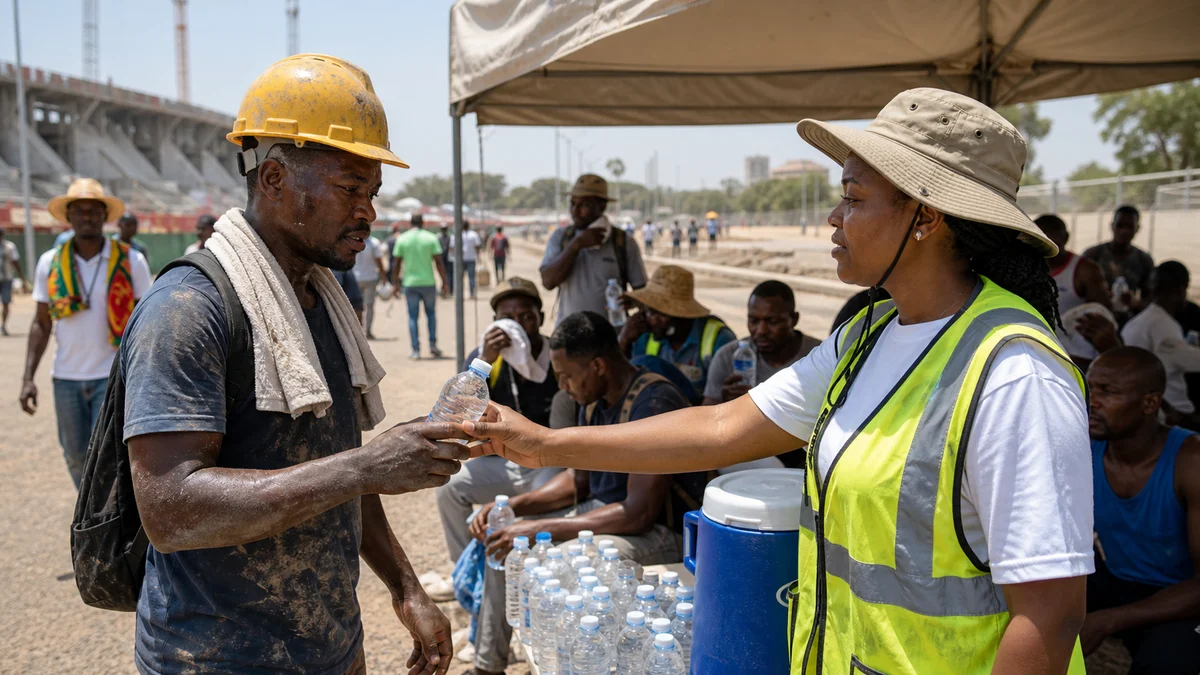
Workplaces and event organizers also carry responsibility. Shade, rest breaks, water access, medical points and clear announcements can prevent harm. A safe event is not only about security at the gate. It is also about protecting bodies inside and outside the venue.
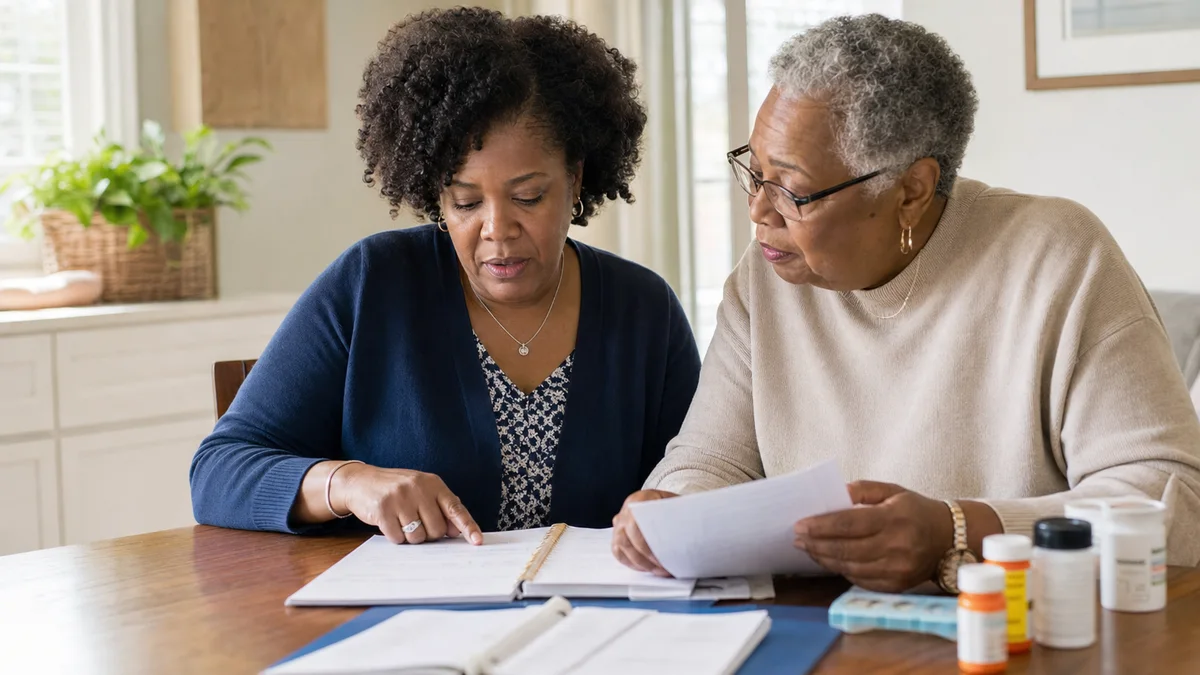
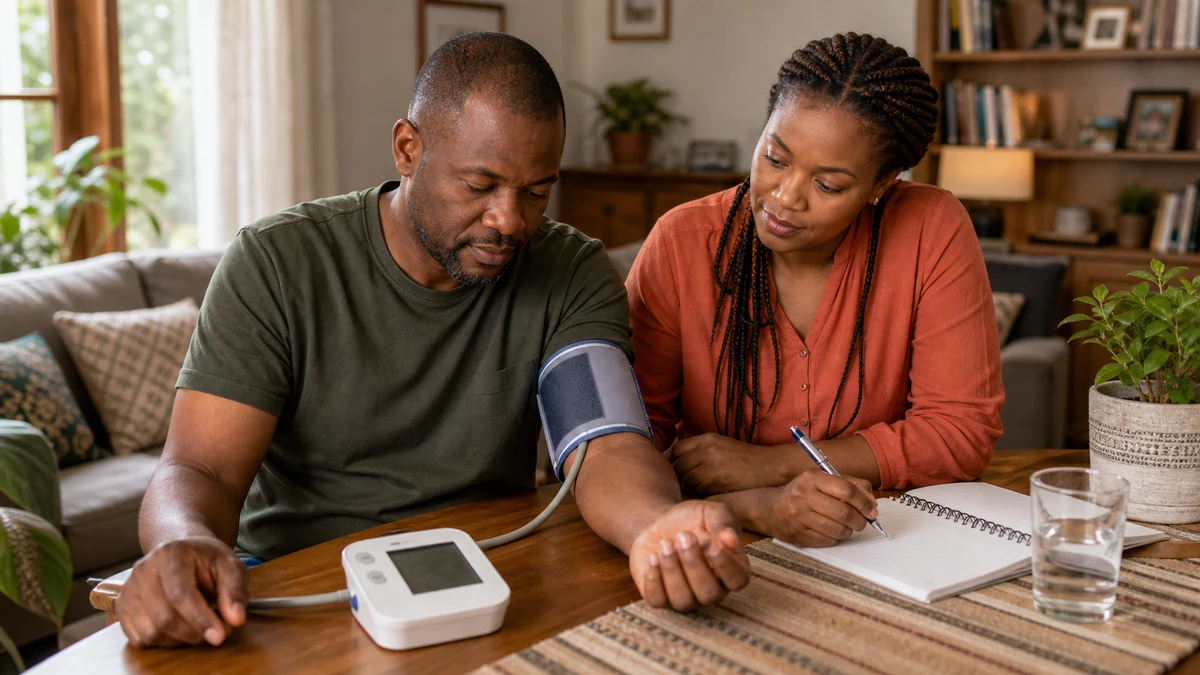
Families should take special care with older relatives, babies and people who take medicines that affect hydration or body temperature. Checking on someone during a heat wave may seem simple, but it can prevent a serious outcome.
The practical rule is to treat heat as a real health risk. Move early, cool down, drink water and ask for medical help when confusion, fainting, severe weakness or very hot skin appears. Comfort matters, but safety matters first. A simple buddy system can help at work, markets and events because one person may not notice their own symptoms quickly enough. Organizers should also make water and shade easy to find, not hidden behind long queues or expensive access points during peak heat hours outside.