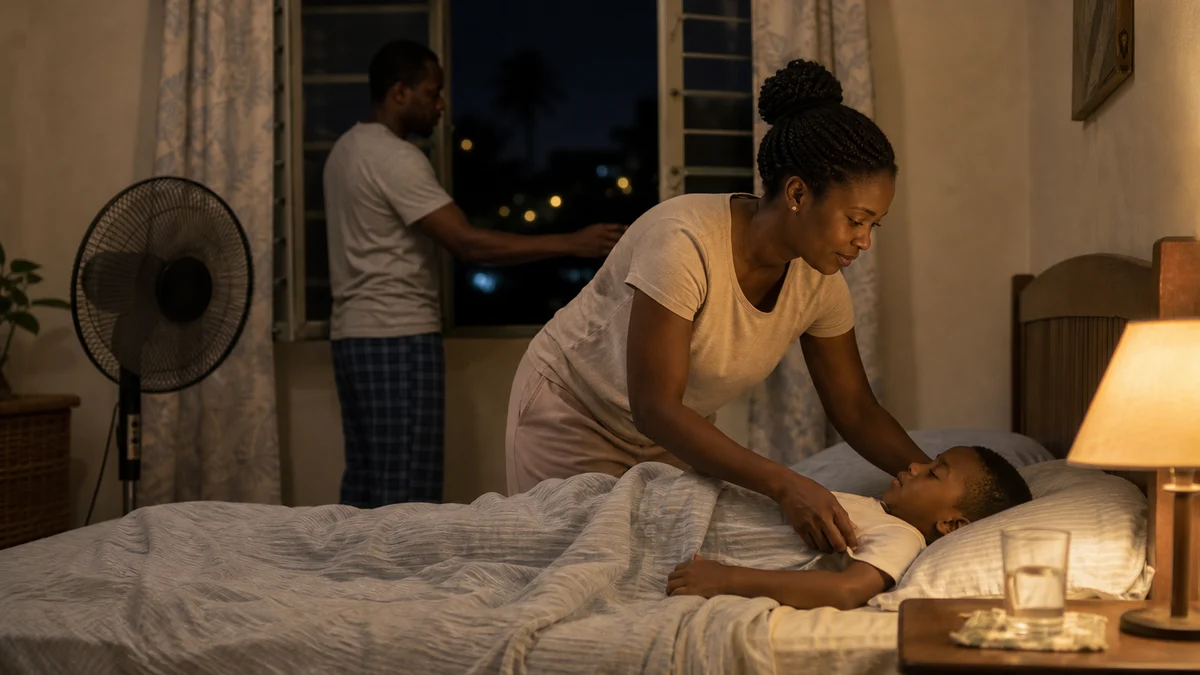
The health story of heat does not end in the afternoon sun. Hot nights can affect the body too. When a room does not cool down, sleep becomes shallow, mood changes and next-day concentration falls. A worker, student or driver who sleeps poorly during a hot week can face risk.
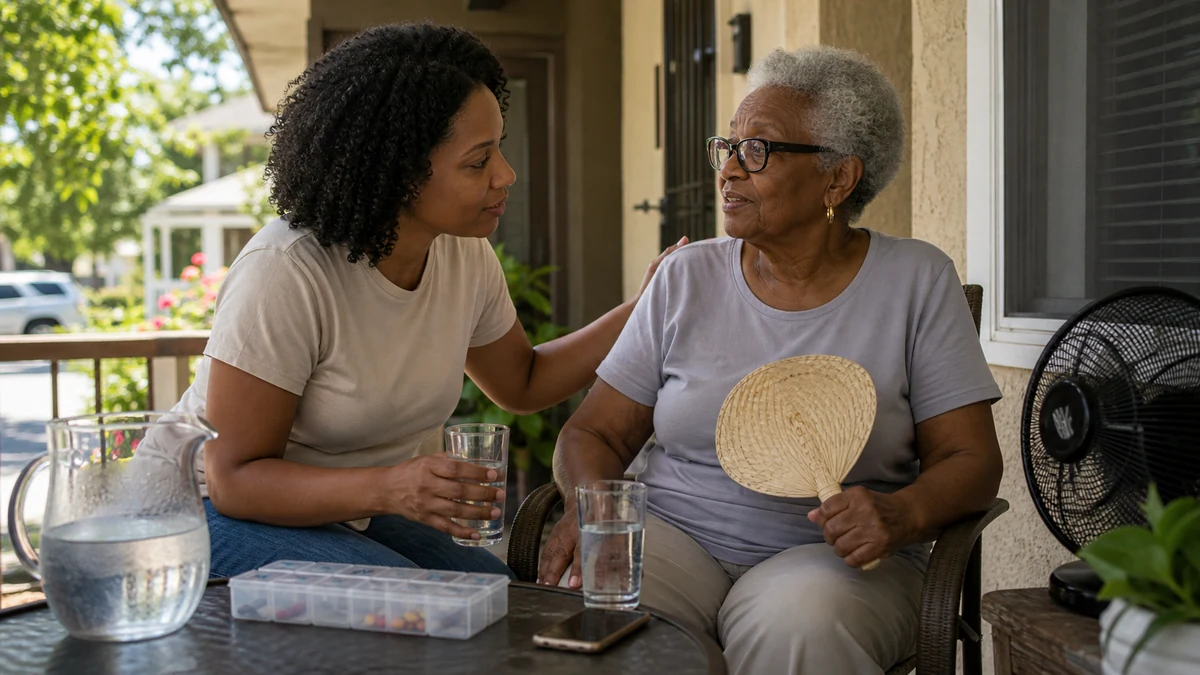
Families need a simple plan. Drink water before severe thirst, keep children and older adults in shade, reduce hard outdoor work during the hottest hours where possible and check on neighbors who live alone. Prevention works best before dizziness starts.
A sleep routine can help. Light clothing, ventilation, reducing late caffeine, keeping phones from extending bedtime and using cooler evening hours for chores can improve rest. Not every home has air conditioning, so practical low-cost habits matter.
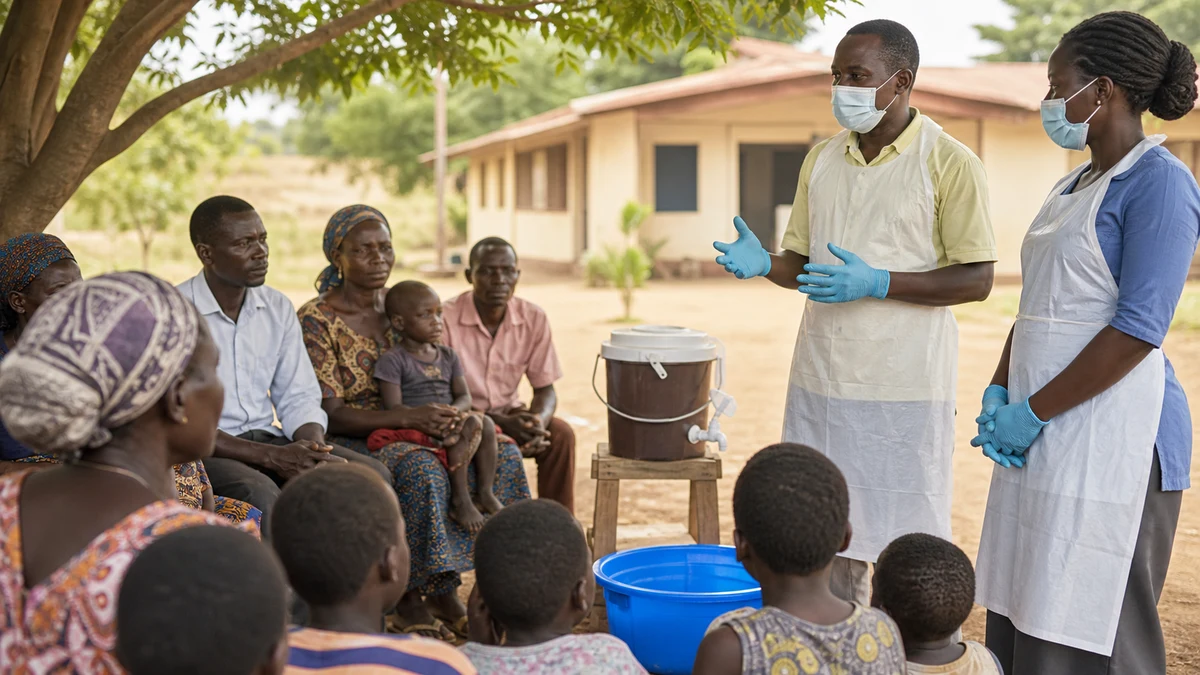
Workplaces and schools also have a role. Breaks, water access, shaded waiting areas and flexible scheduling can protect people. Heat safety should not depend only on individual toughness. Systems can reduce harm.
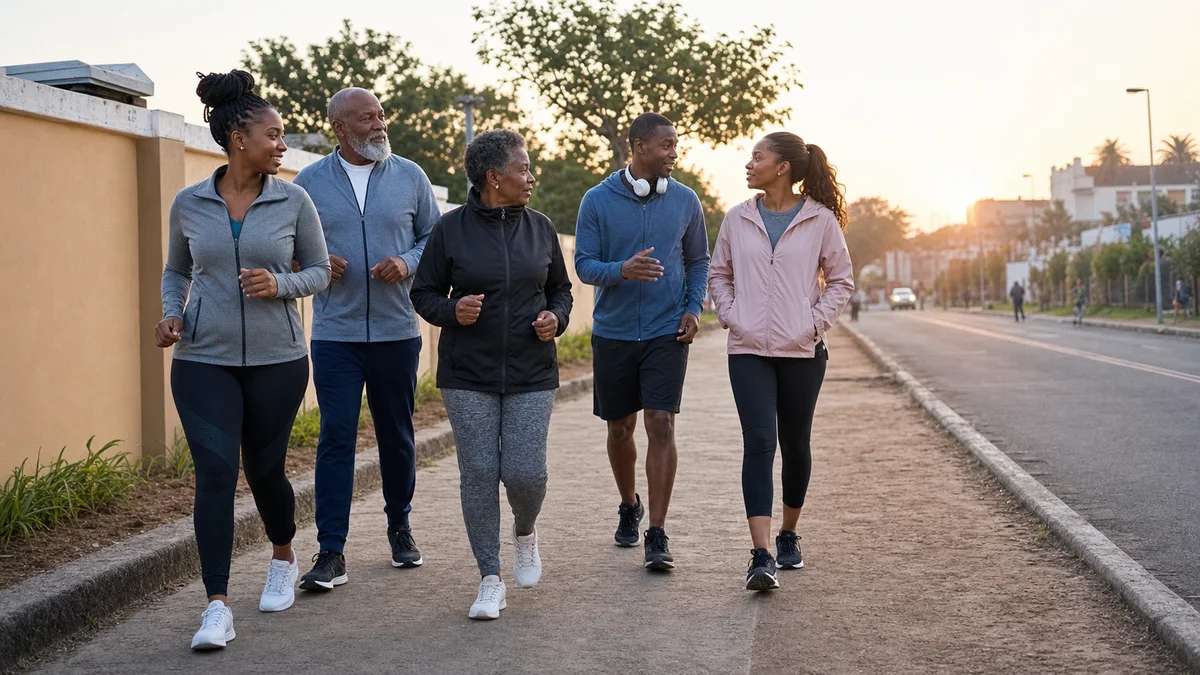
Exercise still matters, but timing matters too. Walking in the early morning or evening can be safer than midday. People with chronic illness, pregnancy, older age or medication questions should seek professional advice when heat is severe.
Hot weeks require community care. Heat, sleep and productivity are connected. When a household plans water, shade and rest together, health protection becomes practical. The goal is not fear; it is a routine that keeps people functioning when the weather is hard.
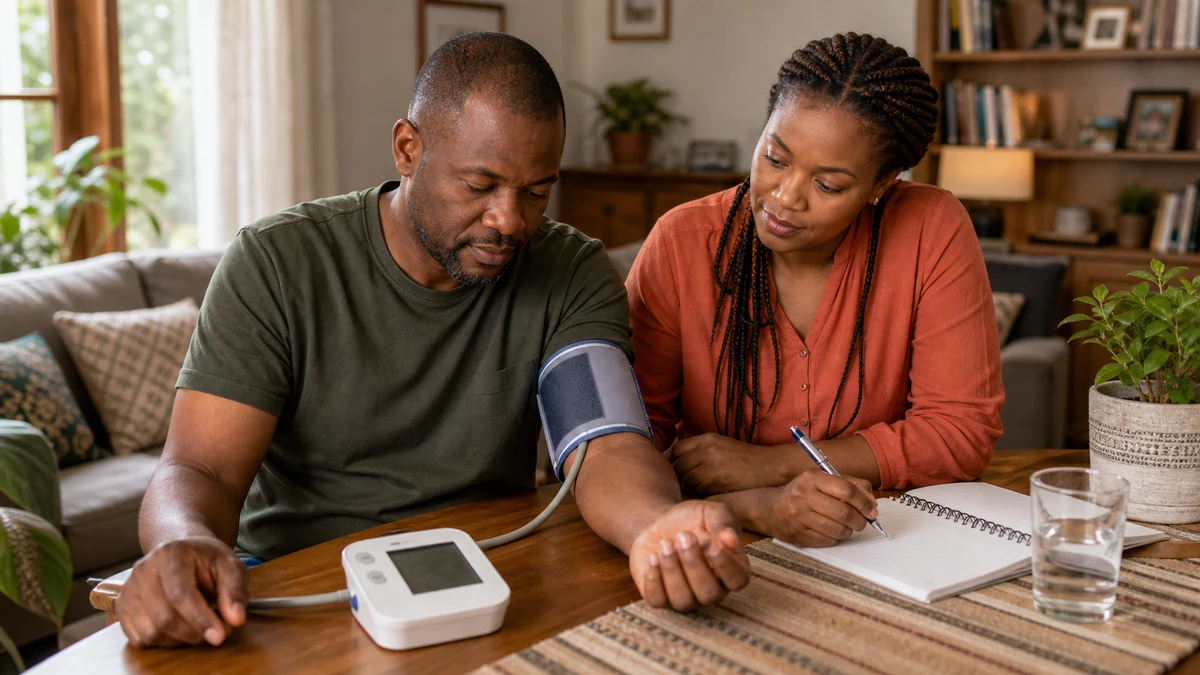
A simple home review can be useful before a heat wave becomes severe. Who has water? Who sleeps in the hottest room? Who works outdoors? These questions help a family see who needs help first, and they turn a weather warning into household action.
That review should include children, older people and anyone taking regular medicine. Heat plans work best when the household knows who needs attention first.