Hot weeks can become a health risk before anyone realizes the problem has started. Heat affects sleep, appetite, mood, medicine routines and work energy. If nights stay hot, the body gets less recovery. Families need a plan that protects water, cool space and vulnerable relatives.
Hydration is not only drinking a lot of water after thirst arrives. It means giving the body fluid throughout the day, especially for outdoor workers, market sellers, children playing outside and older adults. Alcohol and very sugary drinks may not help hydration in the way people expect.
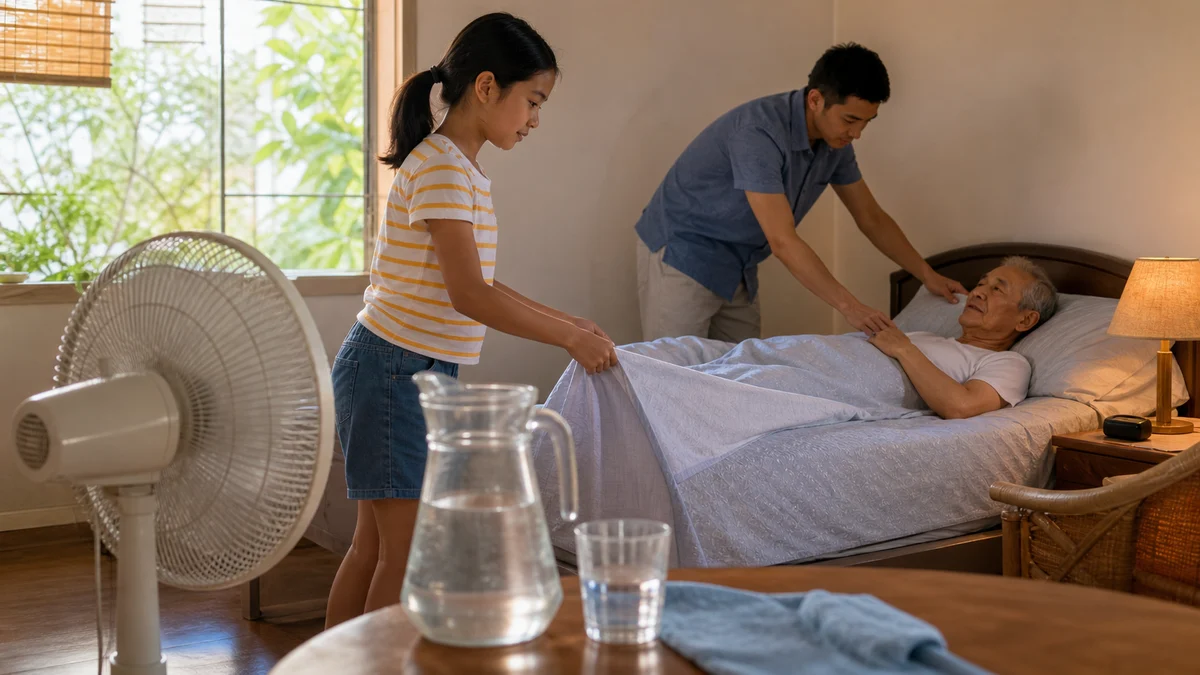
Sleep matters during heat. A hot room can make a person turn repeatedly, wake often and rise tired. Simple steps such as safe ventilation, using a fan when available, reducing heavy bedding, bathing with cool water and moving hard chores to cooler hours can help.
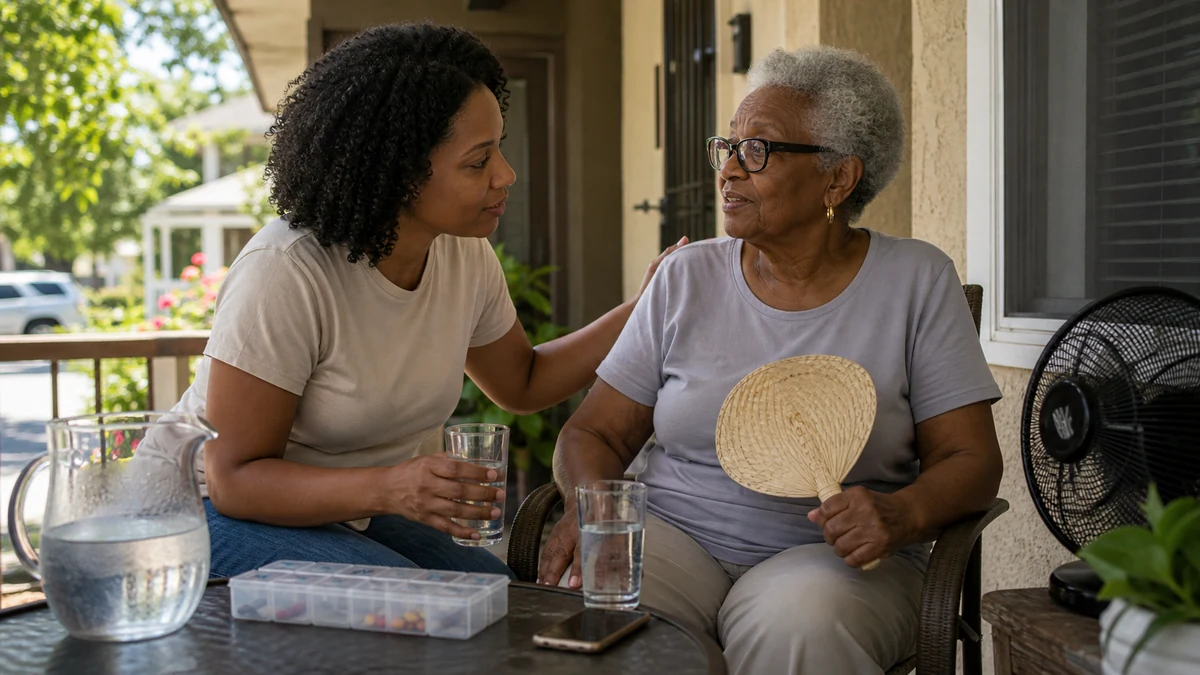
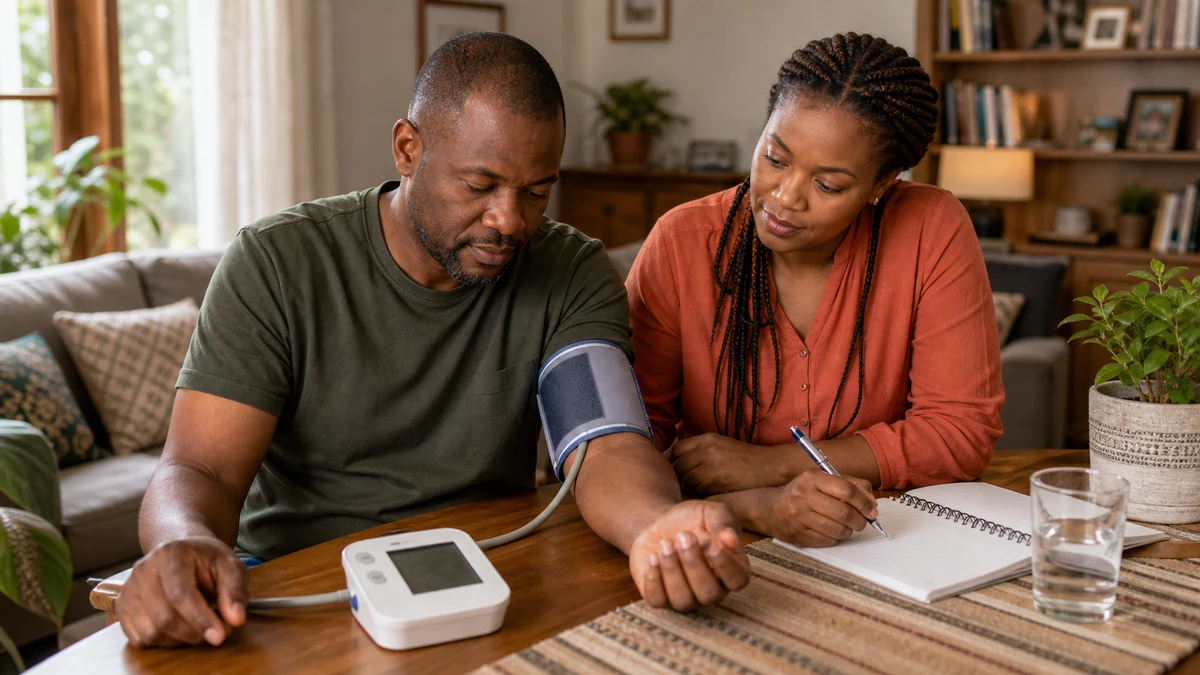
Medicine and chronic illness need attention. People with heart disease, kidney problems, diabetes or high blood pressure may experience heat differently. They should speak with a health worker if medicine or fluid limits are involved. Families should not guess when risk is high.
Check-ins are simple but powerful. Call an older relative, a neighbor living alone, a pregnant woman or a worker with an outdoor job. Ask whether they have drunk water, found shade and feel well. Heat illness can bring confusion, dizziness, headache and weakness, so early help matters.
The practical rule is for families to make a heat plan before a warning arrives. Identify the coolest room, keep drinking water, plan errands early and know where to seek care. Hot weather is not only an inconvenience. It is a health event where preparation can reduce danger.
Outdoor workers can speak with employers or team leaders about breaks early. Shade, water time and lighter tasks during the hottest hours can protect both productivity and health. A heat plan is also a workplace issue.