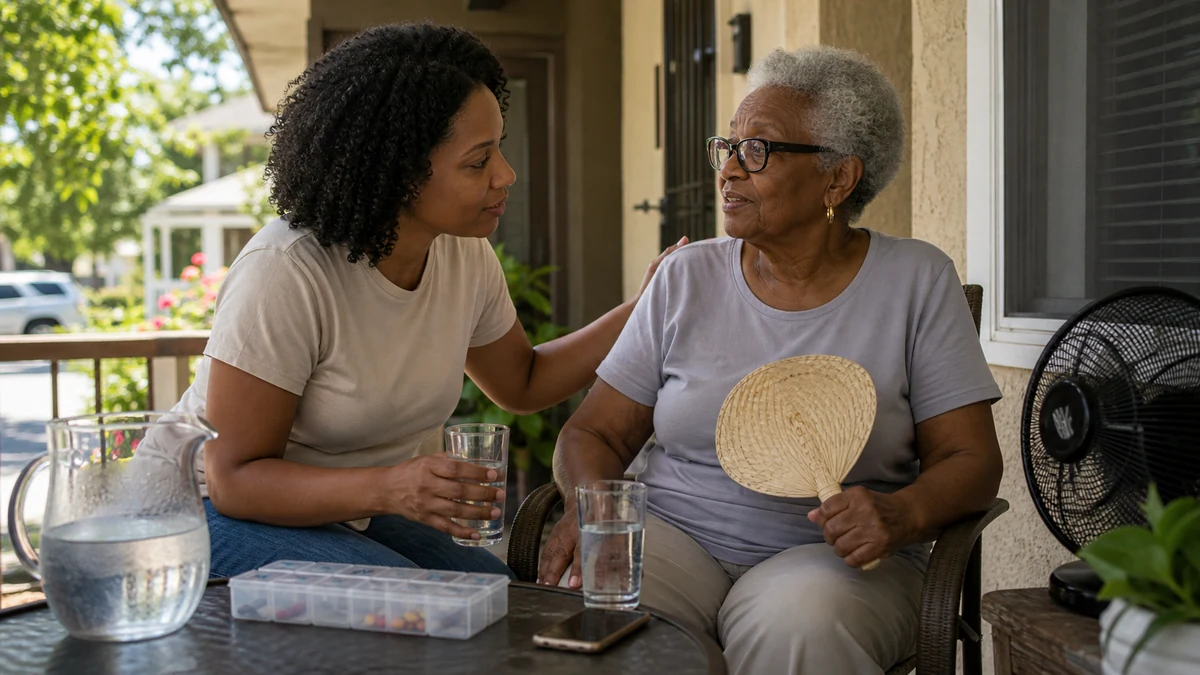
Hot weeks need a family plan, not only complaints about the weather. Heat can harm older adults, outdoor workers, babies, pregnant people and anyone taking regular medicine. The danger sometimes builds quietly: poor sleep, less water, dizziness, confusion and fatigue before emergency signs become obvious.
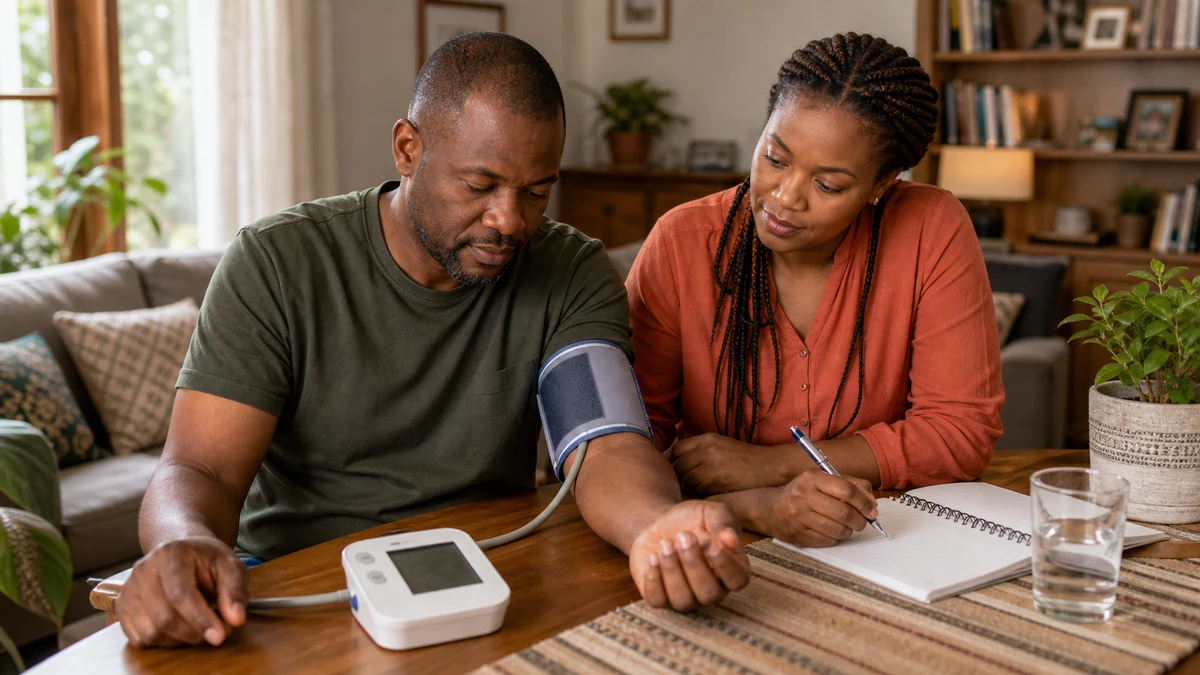
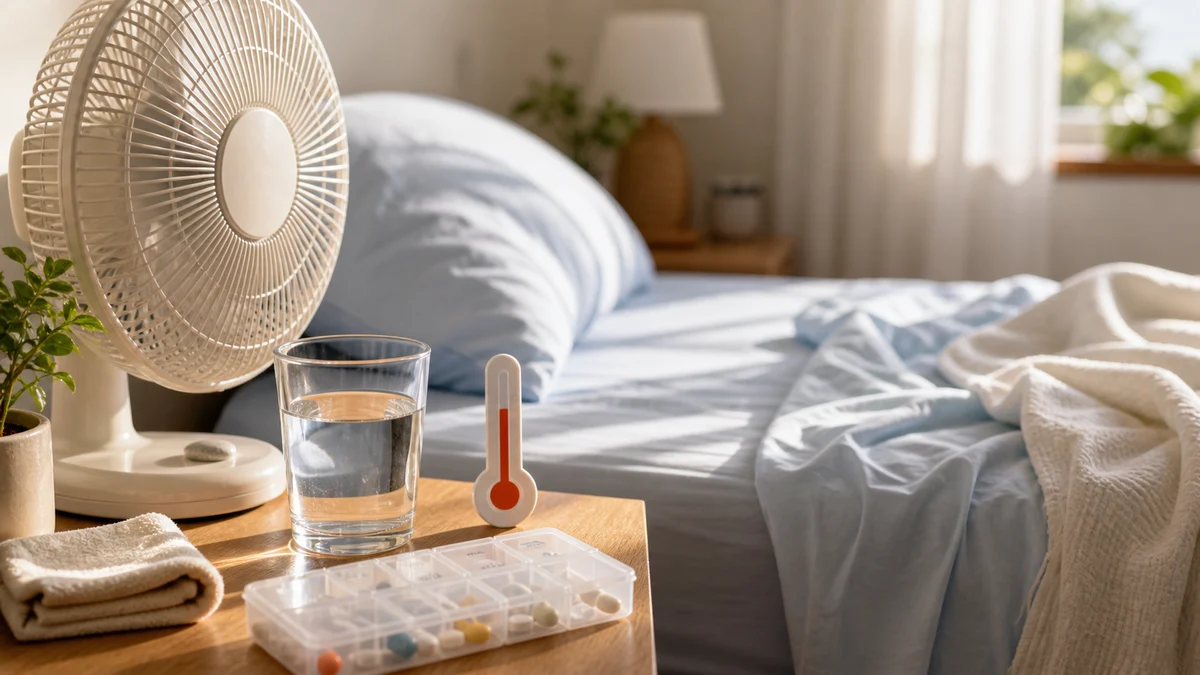
Medicine routines deserve attention. Some people take tablets that affect fluid balance, blood pressure, sleep or alertness. That does not mean they should stop medicine by themselves. It means they should ask a health professional how heat affects their routine, especially before a heatwave or travel. Guessing can be dangerous.
Sleep is part of heat safety. A room that stays hot at night can leave the body tired the next morning. Families can use fans safely where appropriate, open windows when outside air is cooler, reduce heavy bedding and move vulnerable relatives to the coolest safe room. Even small sleep improvements can reduce daytime stress.
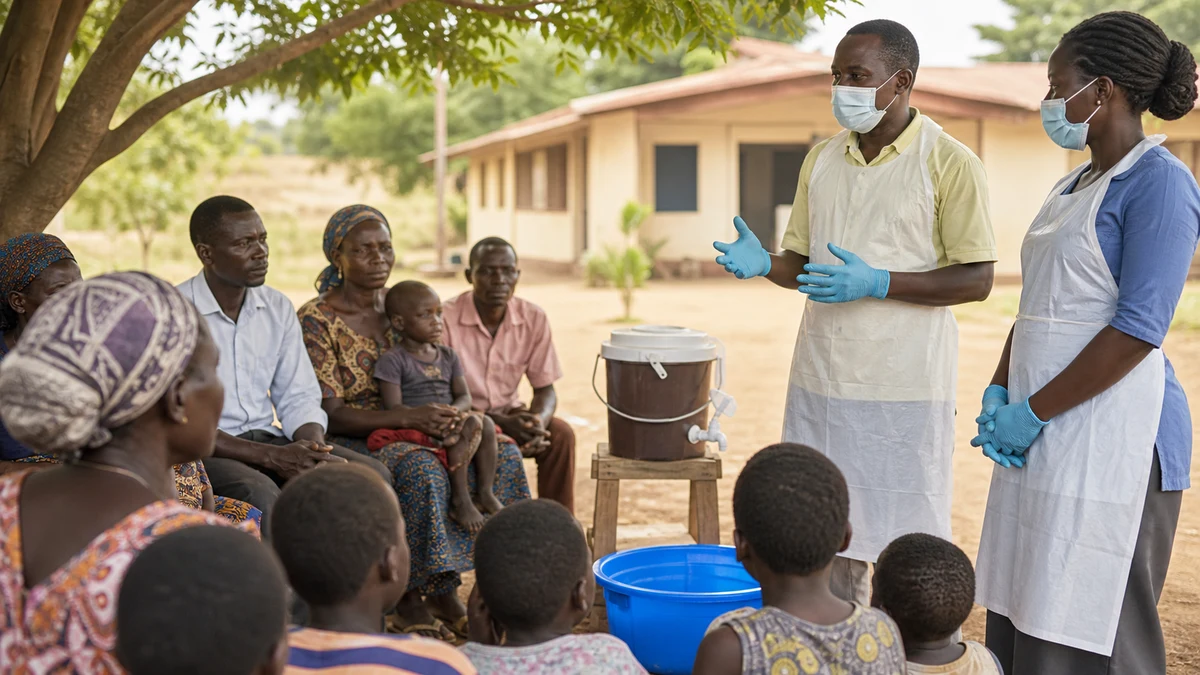
Workers need practical protection too. Shade, rest breaks, water and changing heavy tasks away from the hottest hour can prevent serious illness. Employers and family members should watch for confusion, faintness, headache and unusual weakness. A worker who says he is fine may still be in trouble if behavior changes.
Community support matters. Neighbors can check on older people, churches and local groups can share cooling information, and families can make a call list before temperatures rise. The worst time to build a plan is when someone is already dizzy. Preparation works because it removes decisions from a stressful moment.
The table below gives a simple household plan. It is not medical advice, and people with symptoms should seek professional help. But it turns heat safety into daily habits: water, rest, medicine awareness, sleep and check-ins. Hot weather becomes less dangerous when the family treats it as a shared routine. A short call can prevent a long emergency.