High blood pressure is often called silent because many people do not feel sick while damage is building. A person can work, travel, eat and care for family while the heart, blood vessels, brain and kidneys are under pressure. That is why waiting for symptoms is risky.
The first step is measurement. A blood pressure check is simple, but it needs to be done correctly and repeated when necessary. One reading can be affected by stress, movement or timing. A health worker can explain whether the numbers need monitoring, lifestyle changes or treatment.
Food habits matter, especially salt. Processed foods, seasoning cubes, salty snacks and restaurant meals can add more salt than people realize. Reducing salt does not mean removing taste from every meal. It means learning where hidden salt enters the diet and adjusting gradually.
Physical activity, weight management, limiting alcohol and stopping tobacco can also help. But lifestyle advice should not become blame. Many families face stress, unsafe walking areas, high food prices and limited access to care. Health messages work better when they respect real life.
Medication can protect people when it is needed, but it must be taken consistently. Stopping tablets because the body feels normal can allow pressure to rise again. Patients should speak with a qualified clinician if side effects, cost or confusion make treatment difficult.
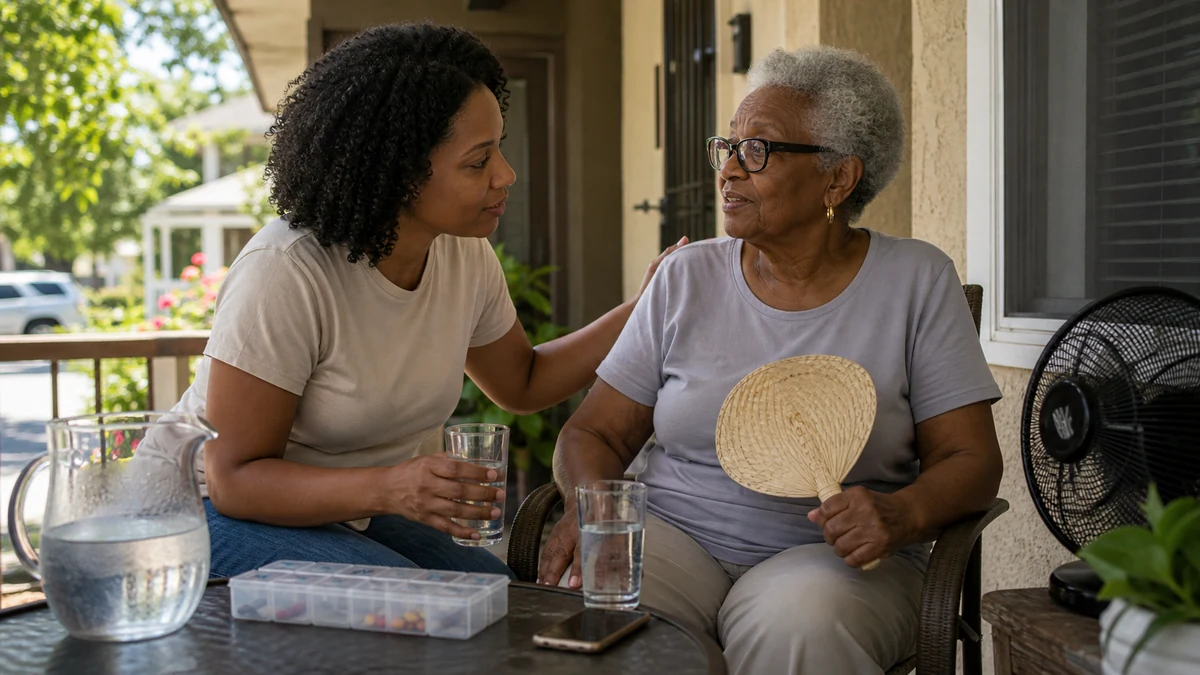
For families, the useful habit is to make blood pressure checks ordinary. Know the numbers, keep appointments and support relatives who need treatment. Silent risk becomes less dangerous when it is measured, discussed and managed before a crisis. Keeping a small record of readings can help a clinician see patterns and can stop a single normal day from hiding a longer problem. The record also helps relatives support treatment without guessing or arguing from memory at home later.