A blood pressure problem can remain inside the body for a long time without clear symptoms. That is why home checks can help families notice risk early. But one reading does not tell the full story. Routine, the correct cuff size, calm posture and clinic follow-up make the number useful.
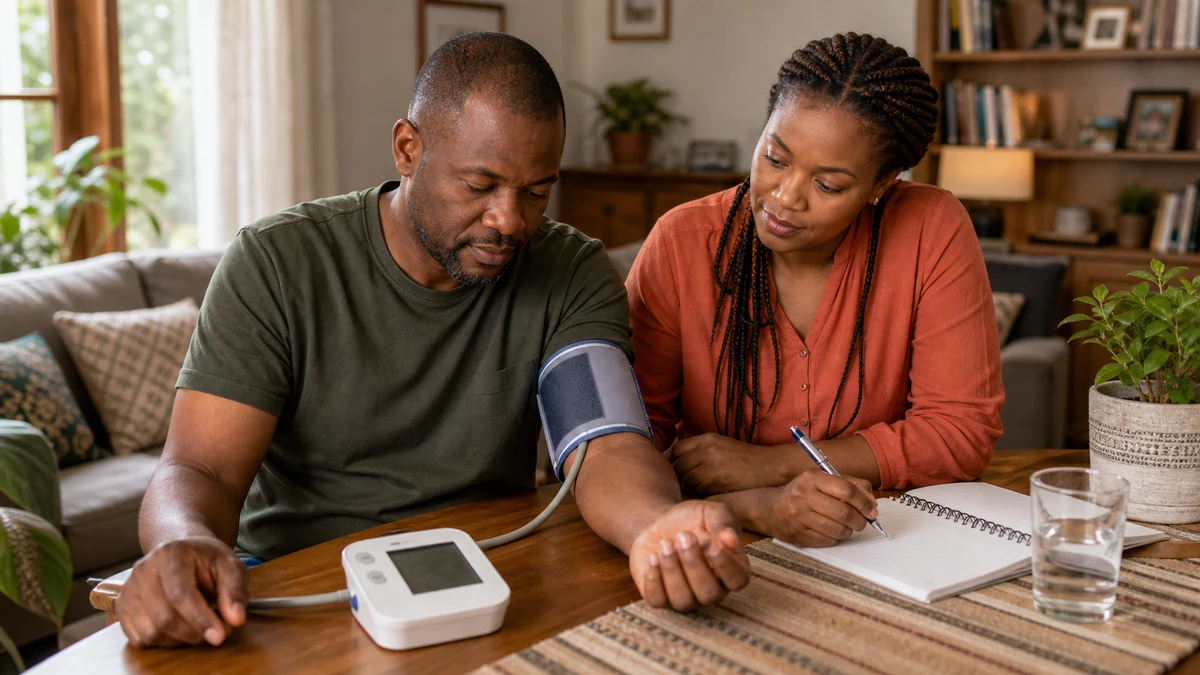
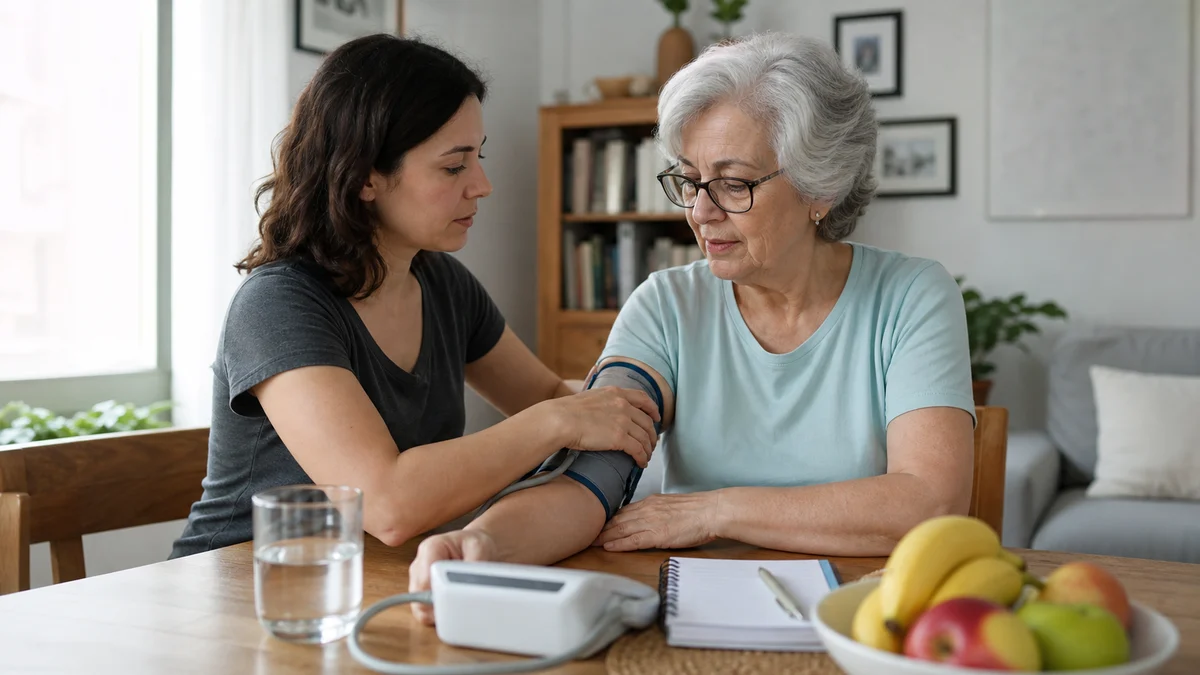
A family with a device at home needs to use it carefully. Sit quietly, keep feet on the floor, rest the arm and wait a few minutes before measurement. If a person checks immediately after stress, exercise or coffee, the number may be higher. The date and time should be written down.
Hypertension often connects with other habits. Salt, alcohol, tobacco, low activity, stress and weight can all affect risk. Lifestyle change can help, but a person should not stop medicine prescribed by a clinician because one reading looks better. A health plan needs professional guidance.
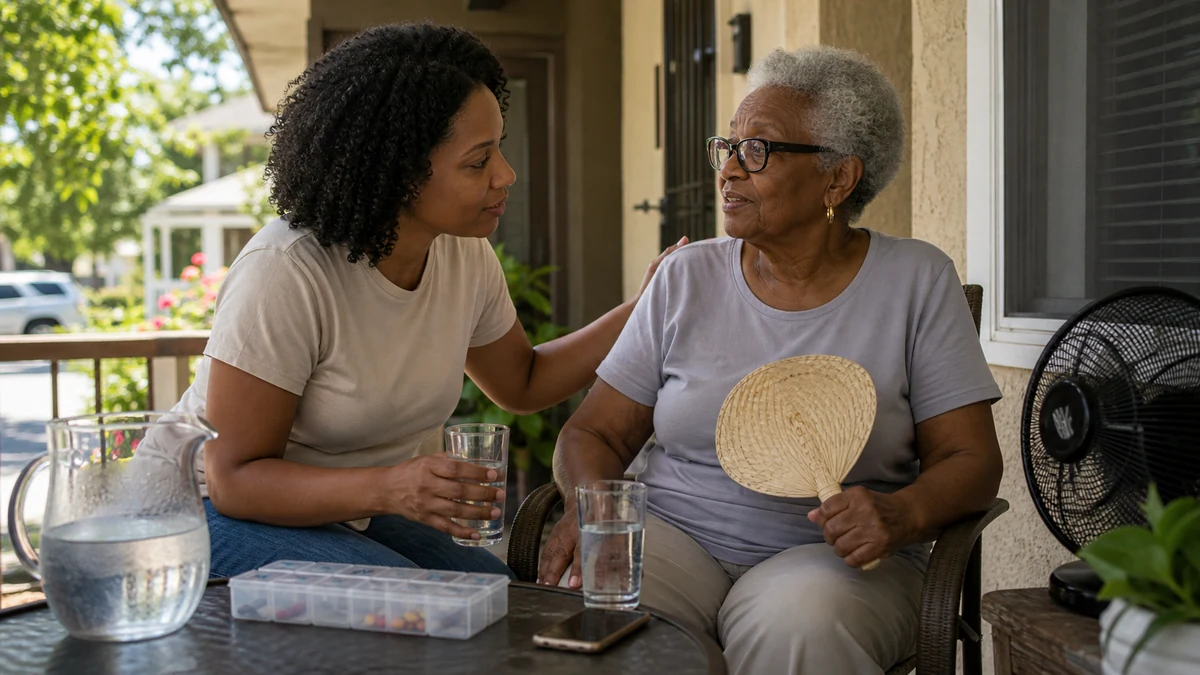
Older relatives need support without shame. Someone may fear that the reading will show illness, or they may worry about clinic cost. Calm family conversation can make the check feel normal, like weighing food or checking a school timetable. Prevention is easier when it is not treated as blame.
Community clinics and pharmacies can also become access points. Not every household can buy a device. If local health workers provide correct measurement and clear explanation, silent risk can be seen earlier. Data without explanation can create fear, but explanation creates action.
The practical rule is for families to keep the numbers and show them to a health worker when readings are repeatedly high or symptoms such as chest pain, dizziness, breathlessness or blurred vision appear. Home checks do not replace care. They are an early warning that helps care arrive sooner.
If a family has several readings, bring them to the clinic on paper or in a phone note. A health worker can read a pattern better than a memory. The pattern may show whether lifestyle change, medicine review or further checks are needed.