Blood pressure is a health number many families ignore until a problem appears. Hypertension can affect a person who feels fine. That is why a simple check at a clinic, pharmacy or community screening can become an early warning that helps.
A family routine can make the check less frightening. When adults check pressure while buying medicine, attending a church health day or visiting a clinic, children see that prevention is normal. It becomes part of care, not punishment.
Numbers need interpretation. One high reading does not mean panic, but it means follow-up matters. A health worker can explain whether repeated checks, lifestyle changes or a medication discussion is needed. Self-diagnosis in a chat group can be dangerous.
The lifestyle conversation should not become blame. Salt, stress, sleep, movement, alcohol and family history can all affect blood pressure. A person dealing with bills or caregiving duties needs support, not shame. Small changes work better when the household helps.
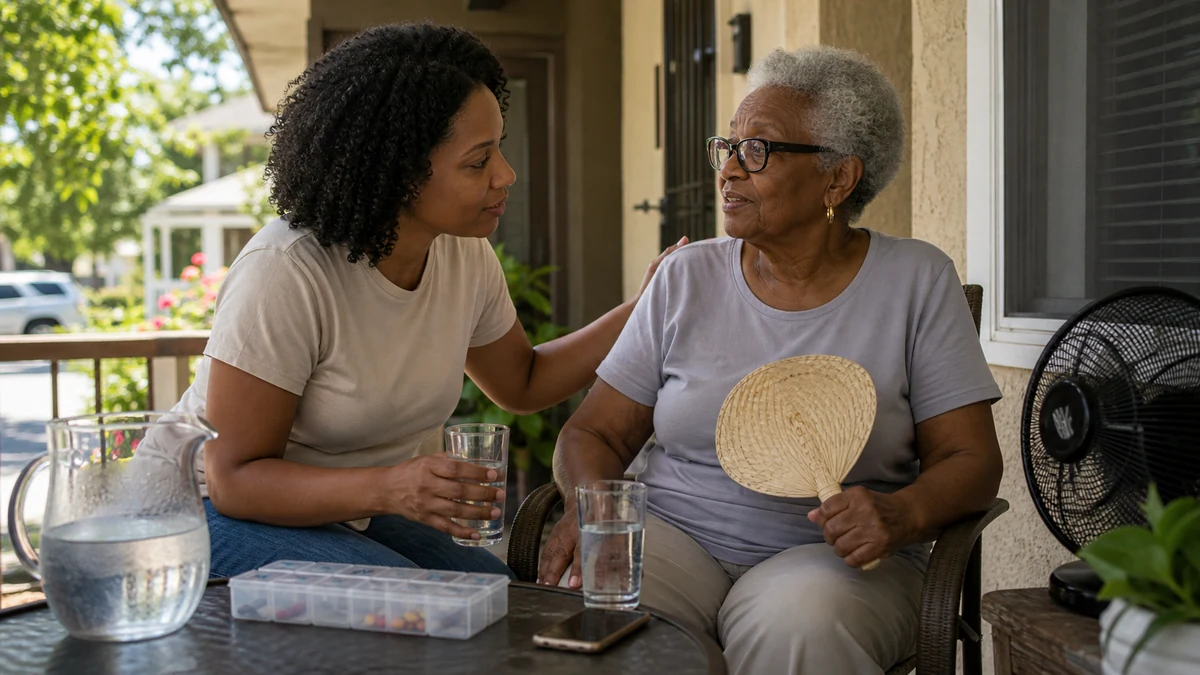
Many men wait until symptoms appear, and many women put family needs before their own health. A family routine can change that pattern. Couples, siblings or adult children can track check dates and bring results to professional care.
A blood pressure check is not a cure, but it is a doorway. When families know the numbers early, they can ask better questions and avoid surprise emergencies. Prevention is stronger when the household treats it as shared care.
Communities can make prevention easier by bringing screenings to places people already trust: churches, mosques, markets, workplaces and schools. When a nurse or trained volunteer explains results and next steps calmly, people can experience care as support, not judgment.
A practical check can stay simple: sit quietly, use the right cuff size, write the date and result, and repeat the reading if a health worker recommends it. A clear record helps the doctor give better advice.
The habit is strongest when it is repeated. A date on the calendar, a small notebook and one trusted clinic can turn concern into follow-through. If results change often, the family should write questions down before the next visit, so clinic advice becomes easier to follow.