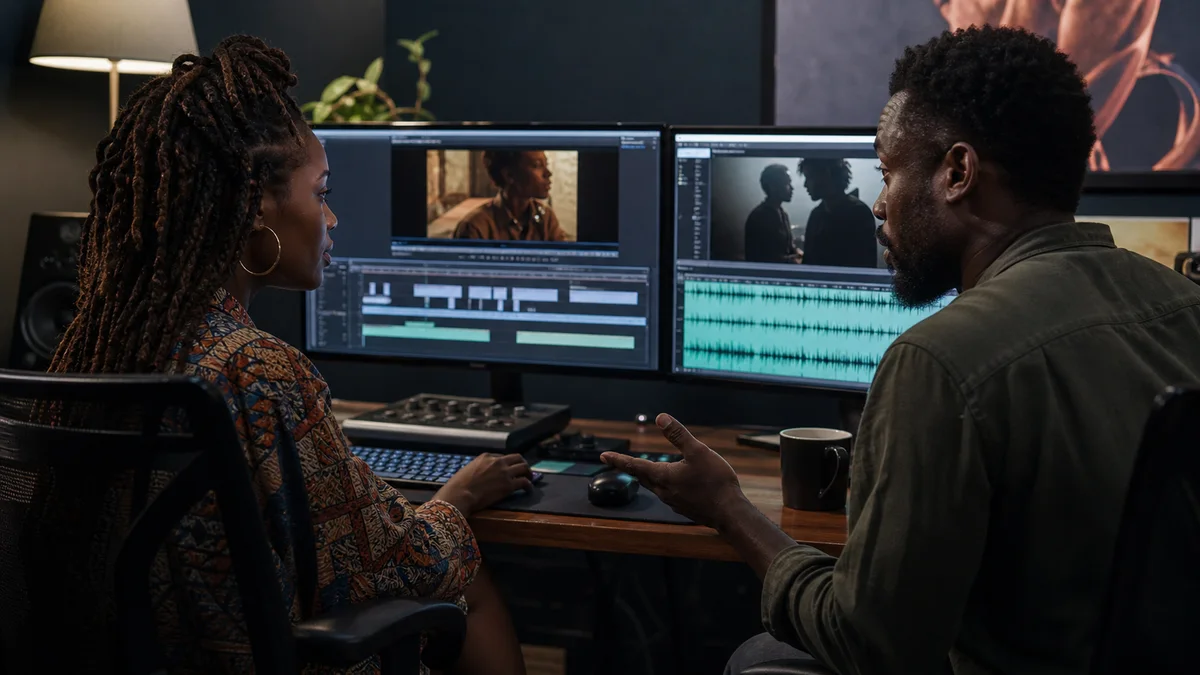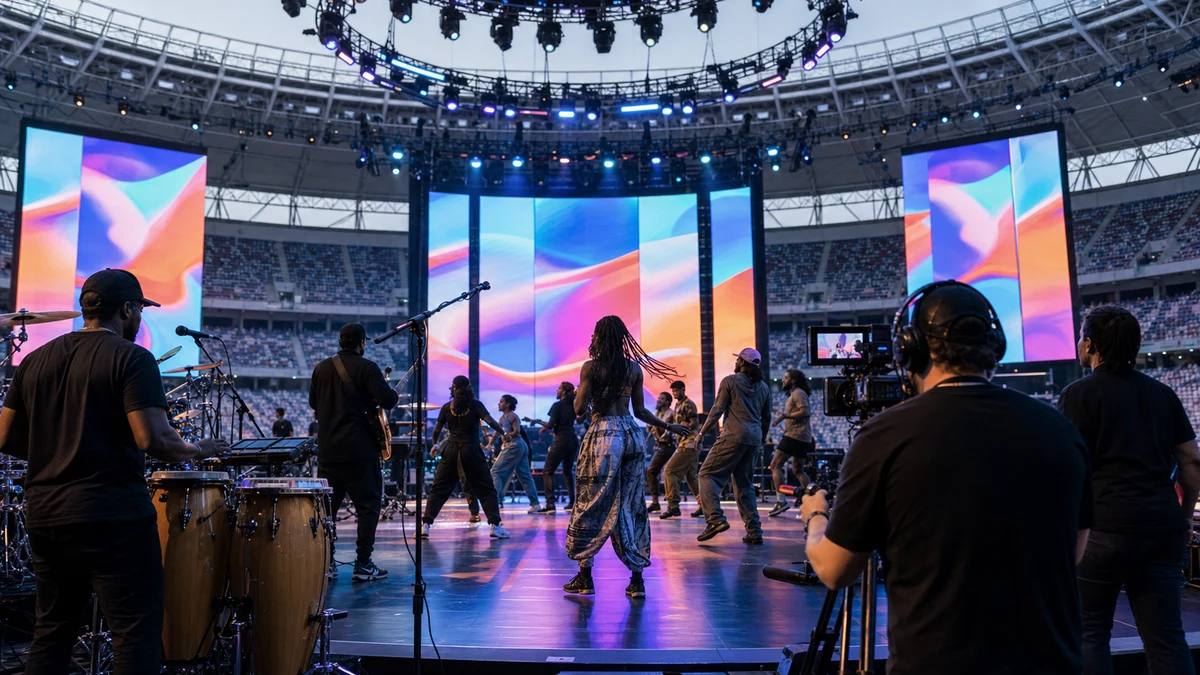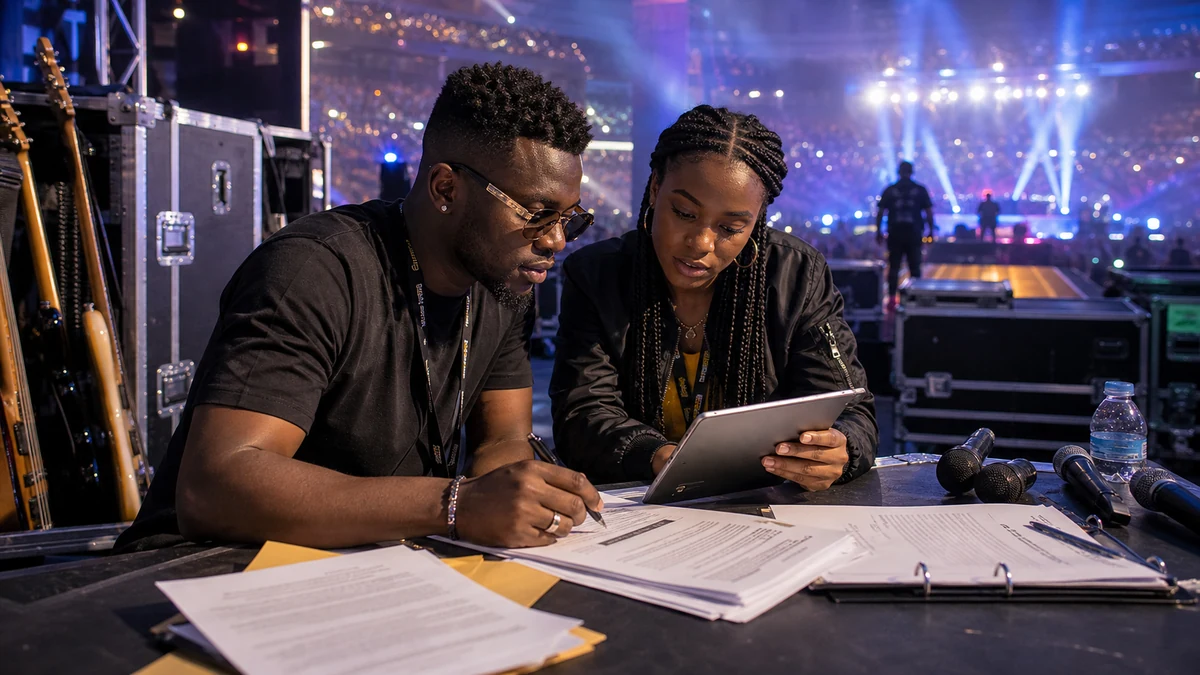
The World Cup 2026 final halftime show brought football and music together on one of the world’s biggest stages. FIFA and Global Citizen connected famous artists with an education fund message. For African artists and managers, the important story behind the spectacle is rights, credits and the path money follows.
A performance that moves across television, streaming and social clips can raise an artist’s profile quickly. Visibility alone does not pay studio bills. Artists, producers, songwriters, dancers, labels and publishers need contracts that state who receives credit, who receives royalties and where permission is required.
The IFPI Global Music Report shows recorded music continuing to grow, with Africa and the Middle East drawing more attention. That can help Afrobeats, amapiano, gospel and local scenes. The benefit will be strongest for teams that have data and paperwork ready. A viral track loses value when splits and registration are unclear.
WIPO music guidance reminds creators that rights can sit in several places: songwriting, the sound recording, performance and licensing. A good manager checks those pieces before a global stage arrives. If a brand wants a clip or a broadcaster uses a short recap, the paperwork decides how permission and payment work.
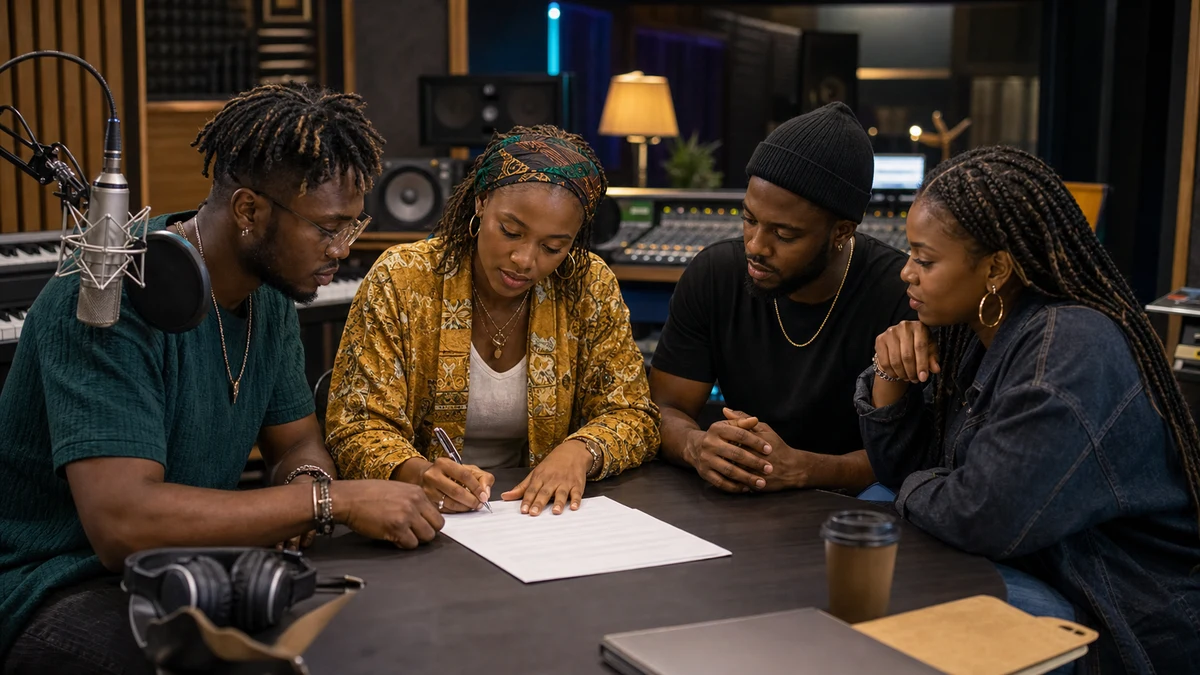
African entertainment teams can teach these basics earlier. Every studio session can begin with a simple note: who wrote the hook, who made the beat, who paid for the session and who controls the master. That is not just legal language. It protects friendship, money and future deals.
The halftime show is a giant image, but the lesson is everyday. An artist who wants the world to watch also needs the documents to match the stage. Clear credits, clear rights and a team that understands licensing can turn one football night into a lasting career asset. The performance is short, but the business trail can last for years.