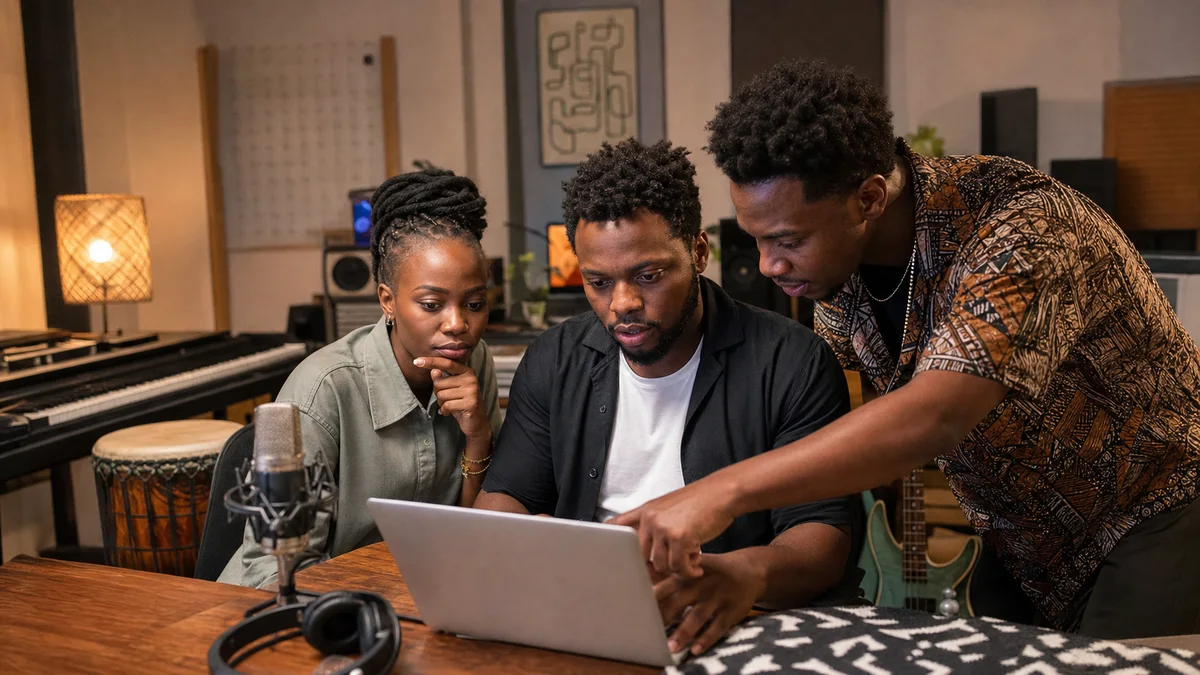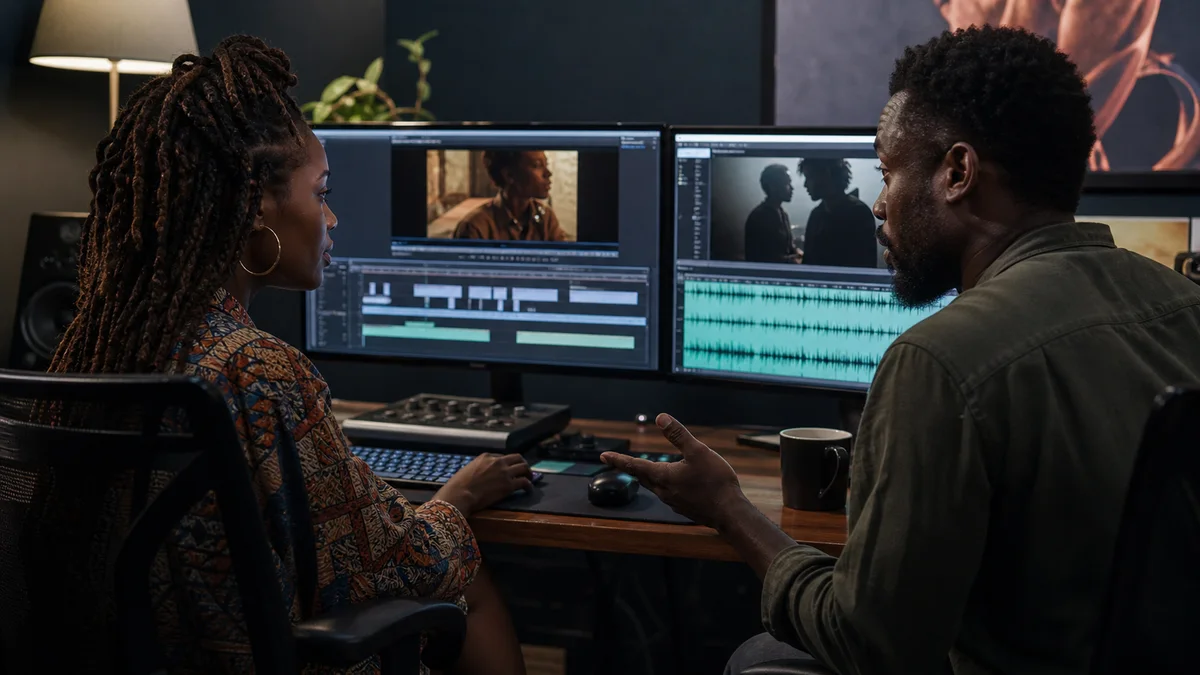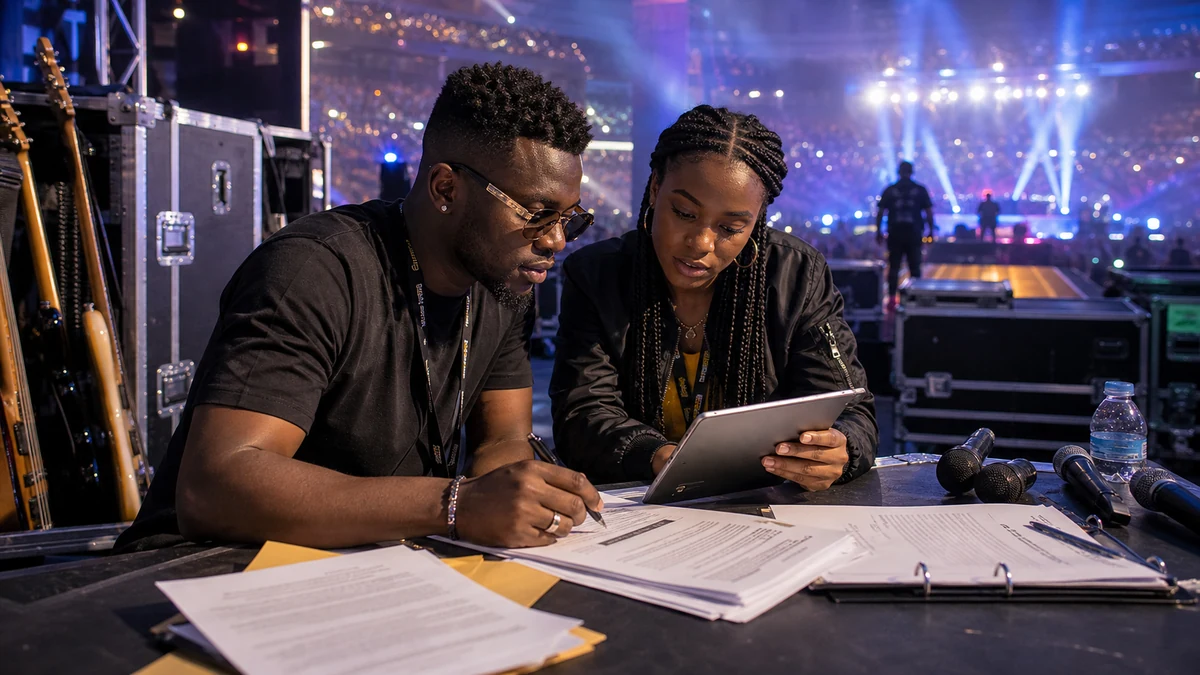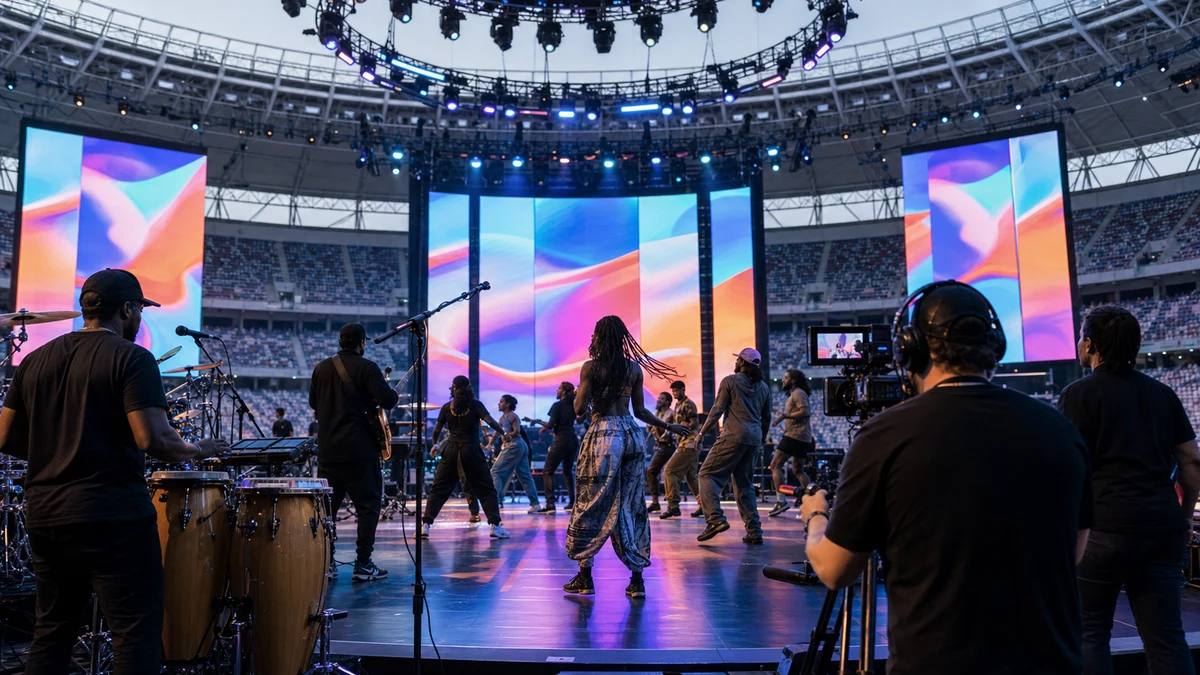
The World Cup 2026 final halftime show is a major entertainment moment, but it also puts culture financing on the stadium floor. FIFA says Madonna, Shakira and BTS will headline, Chris Martin will curate the performance and Global Citizen will connect the show to an education fund aiming for $100 million. Music is being treated as more than a short break.
That lands days after UNESCO launched a global dialogue on financing culture, built around the idea that if culture is not in the room, it will not be in the budget. The phrase fits African entertainment well. Artists, dancers, filmmakers, sound engineers and stage workers create value, yet the financing systems that help them grow often remain thin.
IFPI's Global Music Report 2026 says recorded music revenues in Sub-Saharan Africa grew 15.2 percent in 2025, with South Africa still the region's largest market. That growth is exciting, but rising revenue does not automatically mean every artist is paid fairly. Streaming, royalties, label deals, concerts and rights management all need stronger structures.
The World Cup show is useful because of its scale. If a global sports event can link ticket donations, sponsors, broadcasters and artists to an education fund, it shows culture can sit inside development finance. The hard questions are whether money flows transparently, whether local creatives benefit and whether attention reaches people outside the headline names.
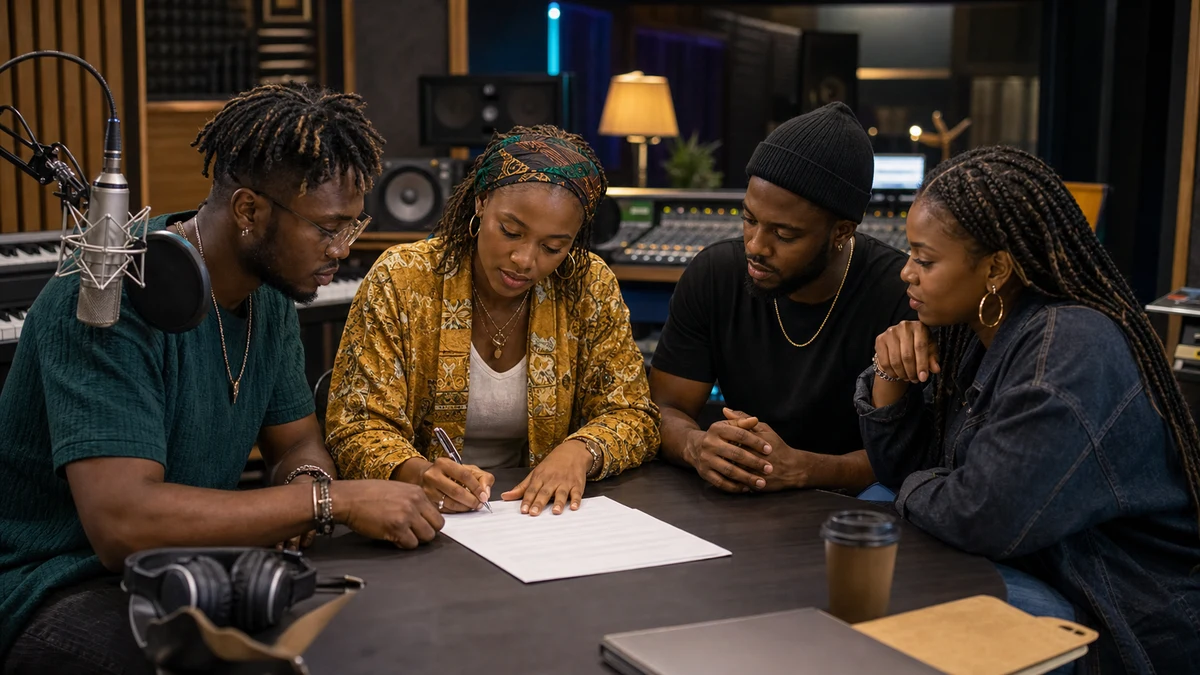
African readers can see the Shakira and Burna Boy World Cup song as a cultural bridge, but the bridge needs infrastructure. Who wrote the song? Who owns publishing? Where do royalties go? Do youth choirs, dancers, camera crews and stylists get clear contracts? Those details turn entertainment from visibility into an economy.
A halftime show can be noise, spectacle and social media excitement. The more lasting point is that culture should not be invited only when a ceremony needs emotion. When culture enters budgets, education, tourism and jobs policy, artists get firmer ground. The final gives the stage; the serious work is building the system around it.