Concert ticket resale can turn fan excitement into financial risk. When a major artist or festival announcement arrives, people rush to buy before seats disappear. That urgency creates space for inflated resale prices, fake links, unclear seat details and social-media sellers who vanish after payment.
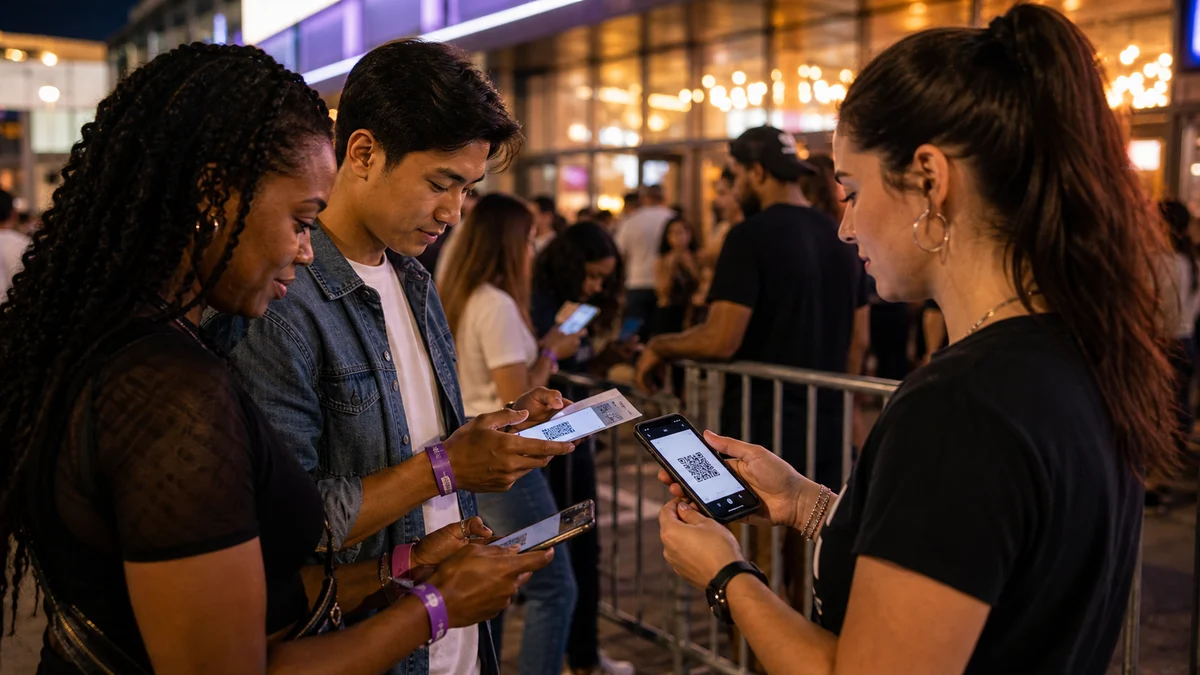
Fans need protection before hype wins. The first rule is to know the official seller and the official resale channel if one exists. A link in a comment, private group or direct message may look convenient, but convenience is not proof. A fake seller can copy event art, use urgent language and ask for a quick transfer before the buyer thinks.
Price transparency matters. If resale is allowed, buyers should see face value, fees, seat location, restrictions and refund rules before paying. A ticket that looks cheaper at first can become costly after service charges. A ticket that says restricted view or non-transferable after payment can ruin the night.
Artists, promoters and venues can reduce harm by communicating early. They can publish official links, warn against impersonators and explain what happens if a ticket is bought outside the approved route. Silence leaves fans to learn from screenshots and rumor, which is exactly where bad sellers operate.
Fan communities can help too. Instead of only posting excitement, group admins can pin official links and warn about common scam patterns. A buyer should not feel embarrassed to ask for proof. Good culture protects fans who may be buying a ticket for a child, partner or first major concert.
The table below gives quick red flags. It is not meant to kill the joy of live music. It is meant to keep the joy from being stolen before the show begins. A safer ticket path helps artists, venues and fans because trust is part of the entertainment economy. When fans trust the path, they spend attention on the performance.