Live concerts have become a major part of music culture because fans want more than a stream. They want the shared voice, the lights, the outfit, the videos and the memory of being in the same place as an artist. That demand can create jobs and city attention, but it also brings responsibility.
Cost is the first pressure. Tickets, transport, food, security rules and accommodation can make a concert expensive before the first song begins. If prices rise too fast, live music becomes a luxury for a narrow group while the wider fan base watches from outside.
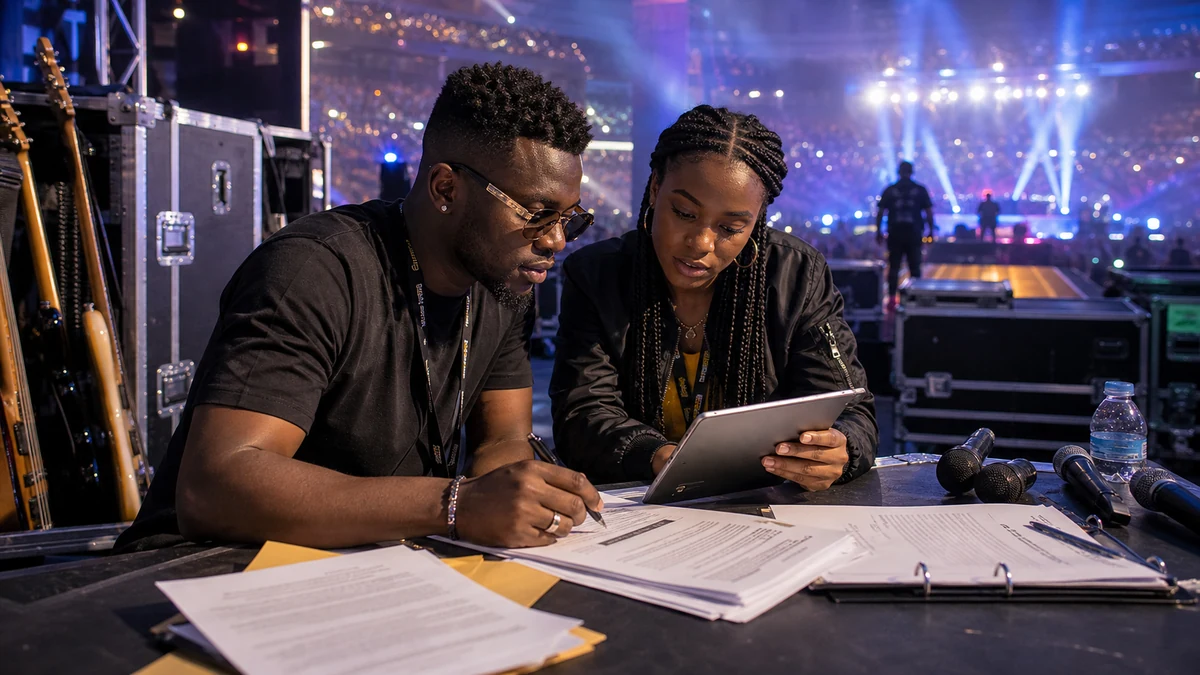
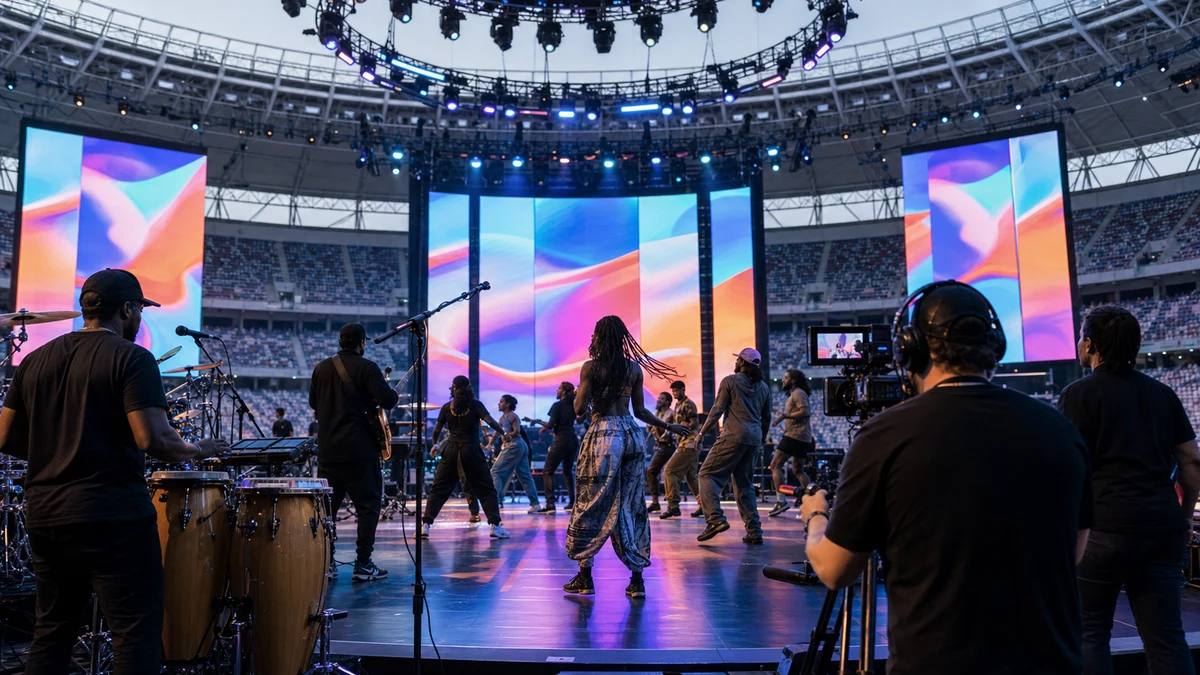
Artists face costs too. Sound, staging, rehearsal, travel, insurance, crew pay and promotion can be heavy. A sold-out venue does not automatically mean everyone earned well. The economics of a show are more complicated than the crowd photo suggests.
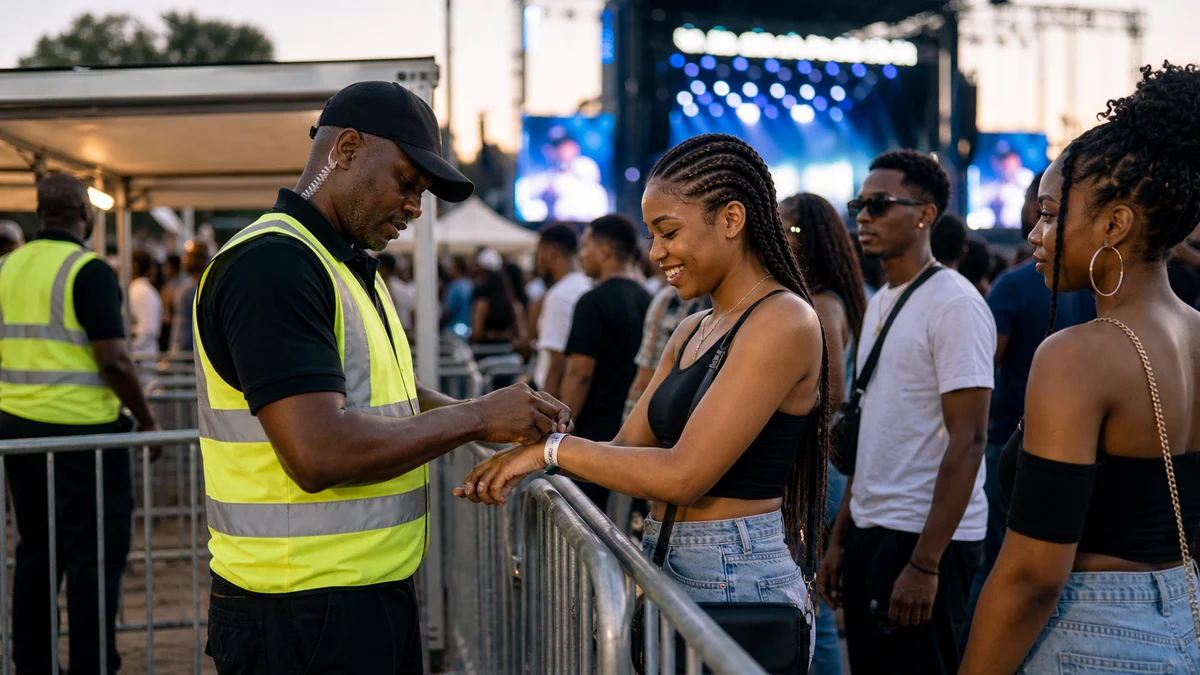
Safety must be treated as part of the event, not as an afterthought. Crowd flow, entry points, medical help, exits, lighting and clear announcements can decide whether fans feel respected. Poor organization can turn excitement into fear quickly.
African cities have a chance to build stronger live music circuits if venues, promoters and authorities work together. Reliable ticketing, fair contracts and trained event staff make it easier for artists to tour beyond one or two major cities.
The best concert economy protects both the fan and the performer. A great show is not only loud and full. It is organized, accessible and safe enough that people want to return. Culture grows when the audience trusts the room. Promoters can build that trust by publishing clear entry rules, refund policies, set times and transport guidance before fans arrive. Those details may look small beside the stage, but they decide whether people leave with memories or complaints. Strong organization also helps sponsors and local authorities support more shows.