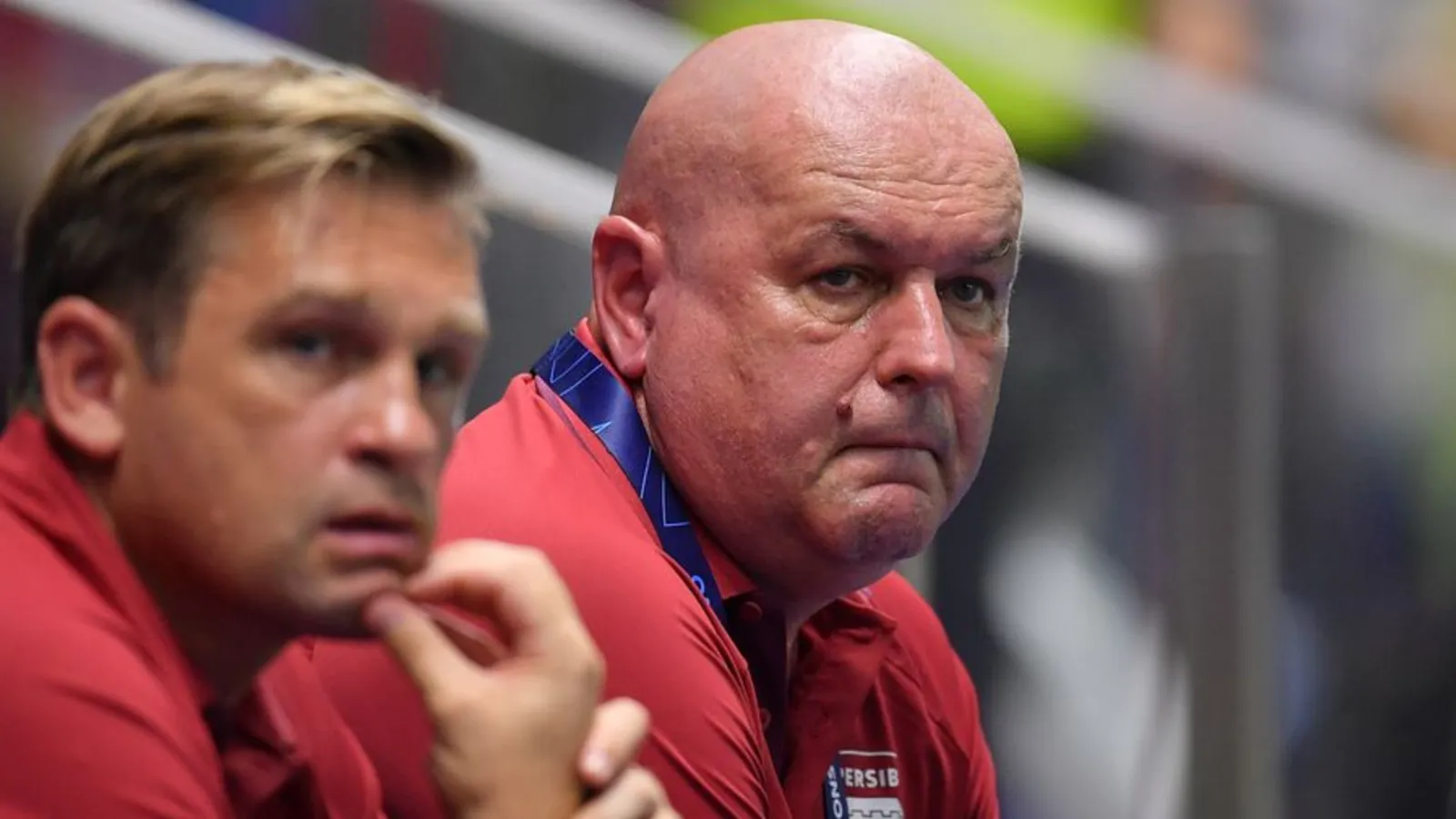
Persib Bandung's decision to appoint Igor Tolic as a replacement figure after Bojan Hodak created a leadership question as much as a coaching headline.
A club with Persib's support base cannot treat coaching changes as routine. Fans expect results, identity and communication from the first press conference.
For a new coach, the first task is to understand the squad's strengths before forcing a completely new style. Continuity can matter as much as fresh ideas.
Training methods, assistant coaches and player relationships will decide how quickly the team adapts. A tactical plan only works if players believe it is clear.
Transfers are another issue. A coach may want new profiles, but the club must balance budget, league rules and dressing-room stability.
Persib also has to manage public pressure. Supporter passion can lift the team, but it can also make a rebuilding period feel shorter than it really is.
The appointment should therefore be judged over several indicators: defensive structure, chance creation, player fitness, youth integration and results against direct rivals.
For Indonesian football, these coaching stories matter because big clubs set standards for professionalism in the league.
African clubs face a similar challenge. Changing coaches too often can create noise unless the club has a stable sporting plan above the manager.
The useful question is not only why Tolic was chosen. It is whether Persib gives him the structure needed to turn that choice into better football. The club should also explain the sporting logic clearly. Supporters are more patient when they understand whether the appointment is about continuity, youth development, pressing style or short-term results. Without that explanation, every bad result can turn into a referendum on the coach before the team has time to settle. The board, coach and players therefore need one public message about what success should look like in the first months.